Context!
At the height of the Cold War, the British Government constructed a network of sophisticated underground bunkers in the event of that a nuclear war broke out. These were designed to shield the government, scientists and other people they deemed important enough to save in the event of a nuclear holocaust, or at least stave off their deaths for a few weeks until supplies ran out.
Once the Soviet Union fell in the 1990s, these bunkers were viewed as an unnecessary expense to maintain, so many of them were sold off into private ownership. Some of them were snapped up by entrepreneurs, who then turned them into tourist attractions. Kelvedon Hatch Bunker, now a museum, is the most famous of these bunkers – this was where the Prime Minister would have sheltered if the Cold War went hot.
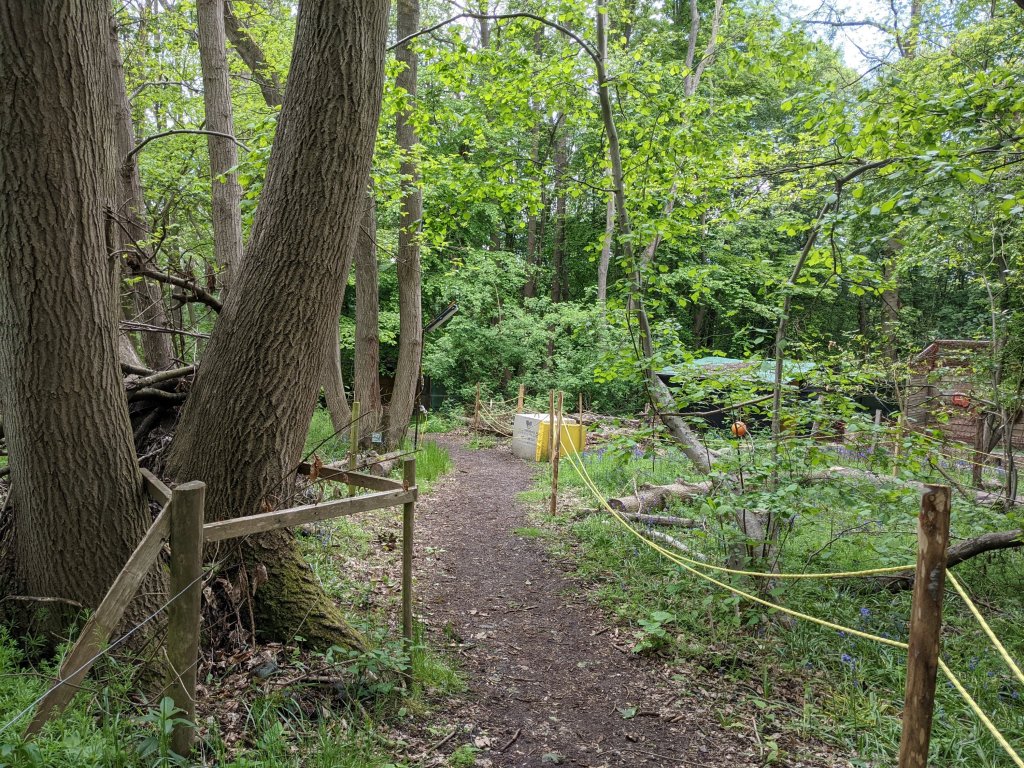
My dad actually took me here in 2003, when I was too young to understand the Cold War (I just thought “Cool! An underground building!”). I had vague memories of a canteen and an audio tour for children narrated by a rodent, but I wanted to go back to the site as an adult so I could better appreciate it.
The Experience
Kelvedon Hatch Bunker is close enough to London to visit as a day trip, but only just. To get there from my hotel I took a bus, a train and another bus that runs once an hour, plus a walk through the countryside. I’ve made a separate entry a about this here – in a nut shell it’s awkward but doable.
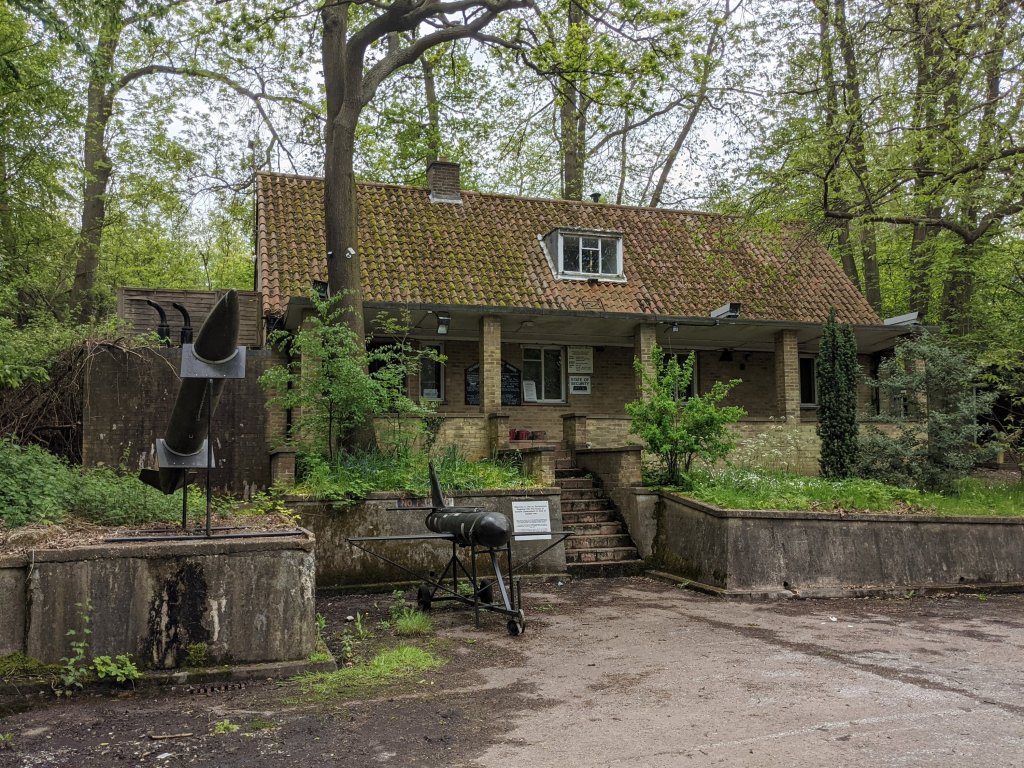
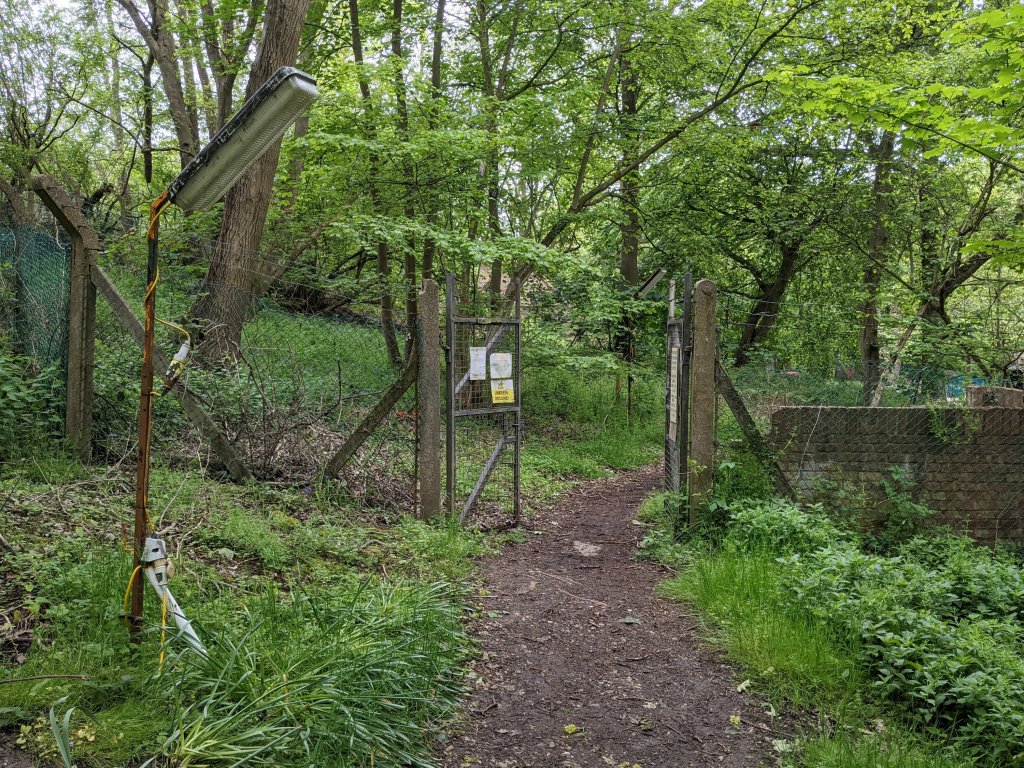
The bunker itself is hidden in a wood some distance away from the nearest bus stop, but doing some impromptu rambling I managed to the cleverly disguised entrance to the complex. Unfortunately there’s no giant steel vault door that hisses before it swings open to let you in but it’s still cool nonetheless.
Actually entering the bunker is very strange as… there’s nobody there. There’s just a room with audio guides and some really strange signs. There is an entrance fee, but I had to pay this afterwards (see end of the article). I should note that this could just be a temporary covid measure though.
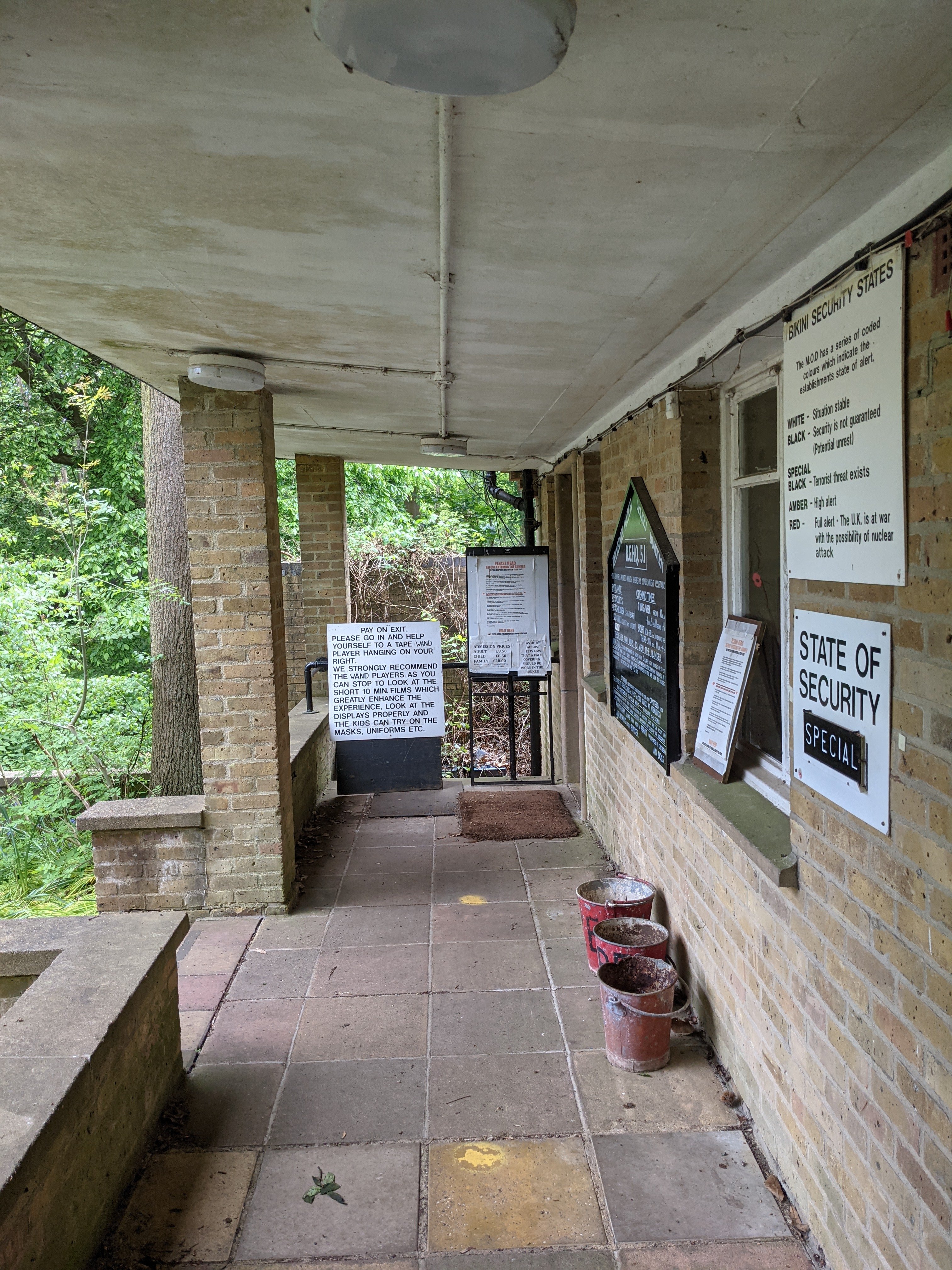
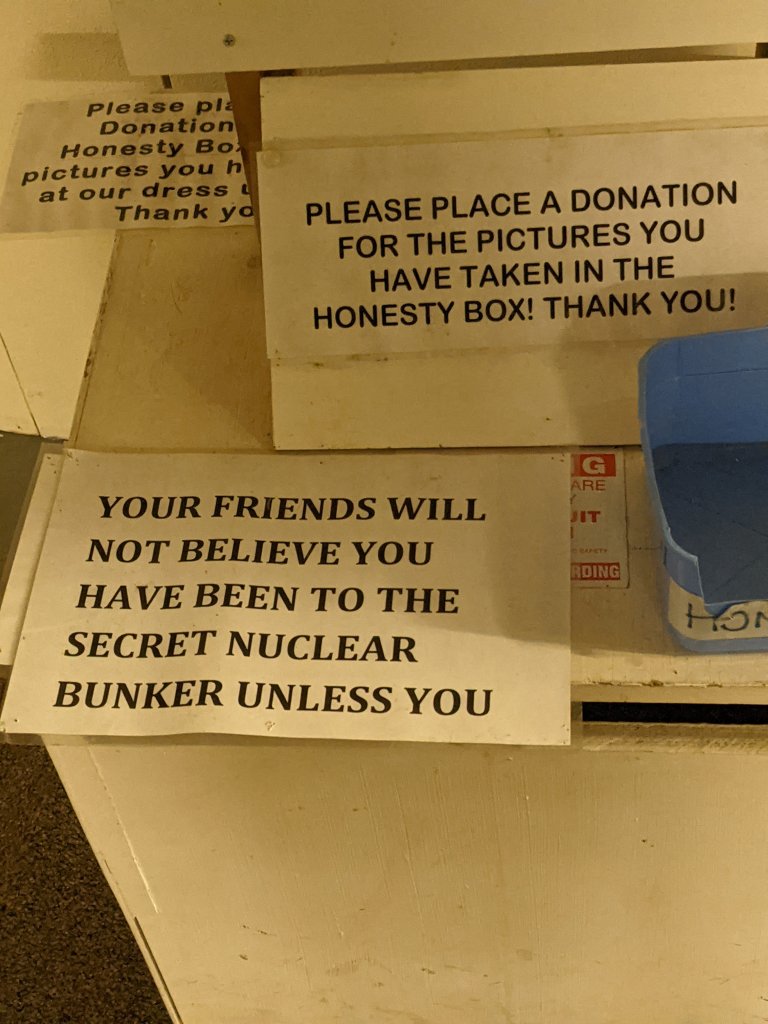
There’s nobody at the entrance, so you need to read the signs to figure out what to do. 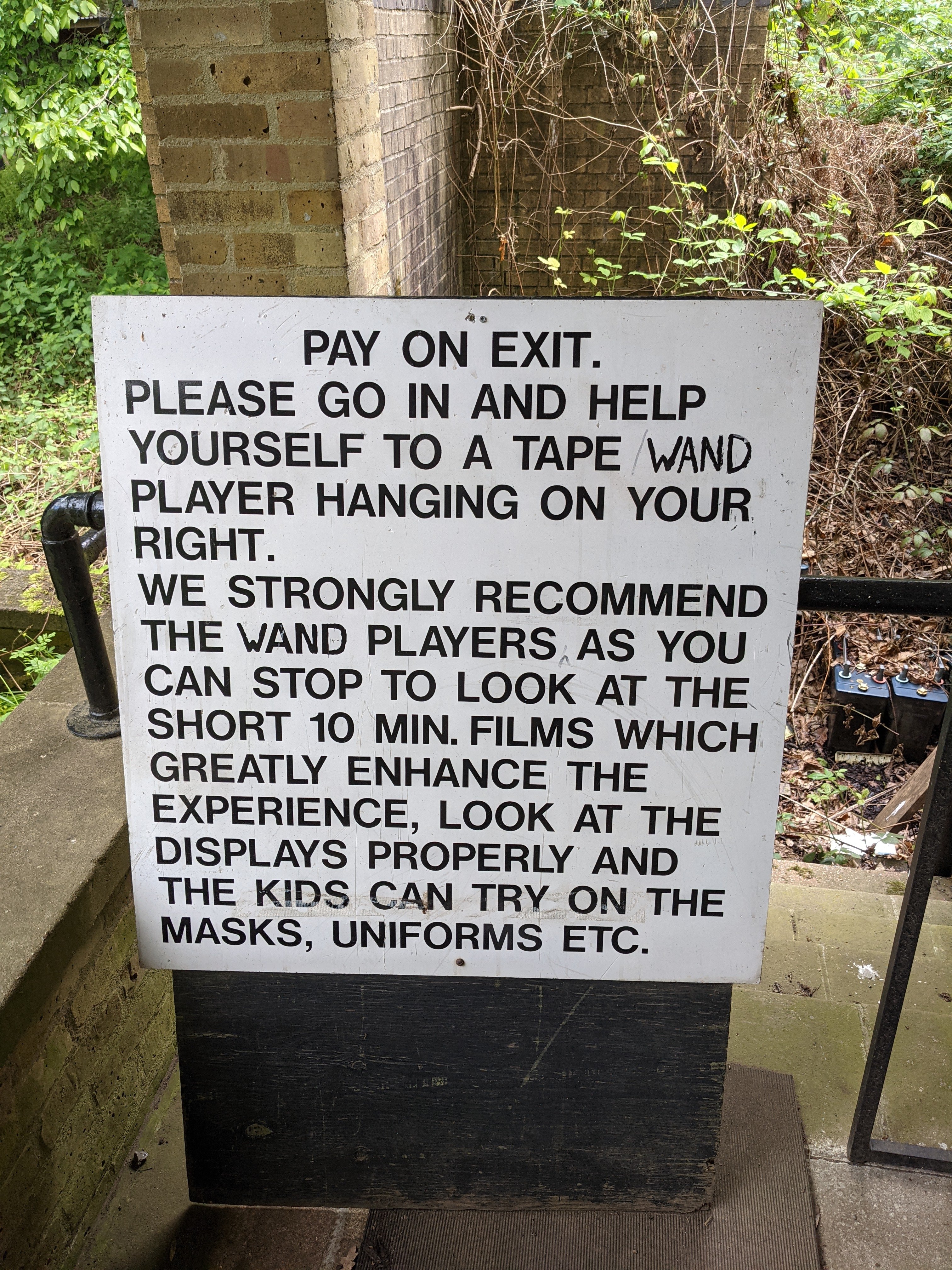
Signs start friendly and get harsher as you go inside for some reason. 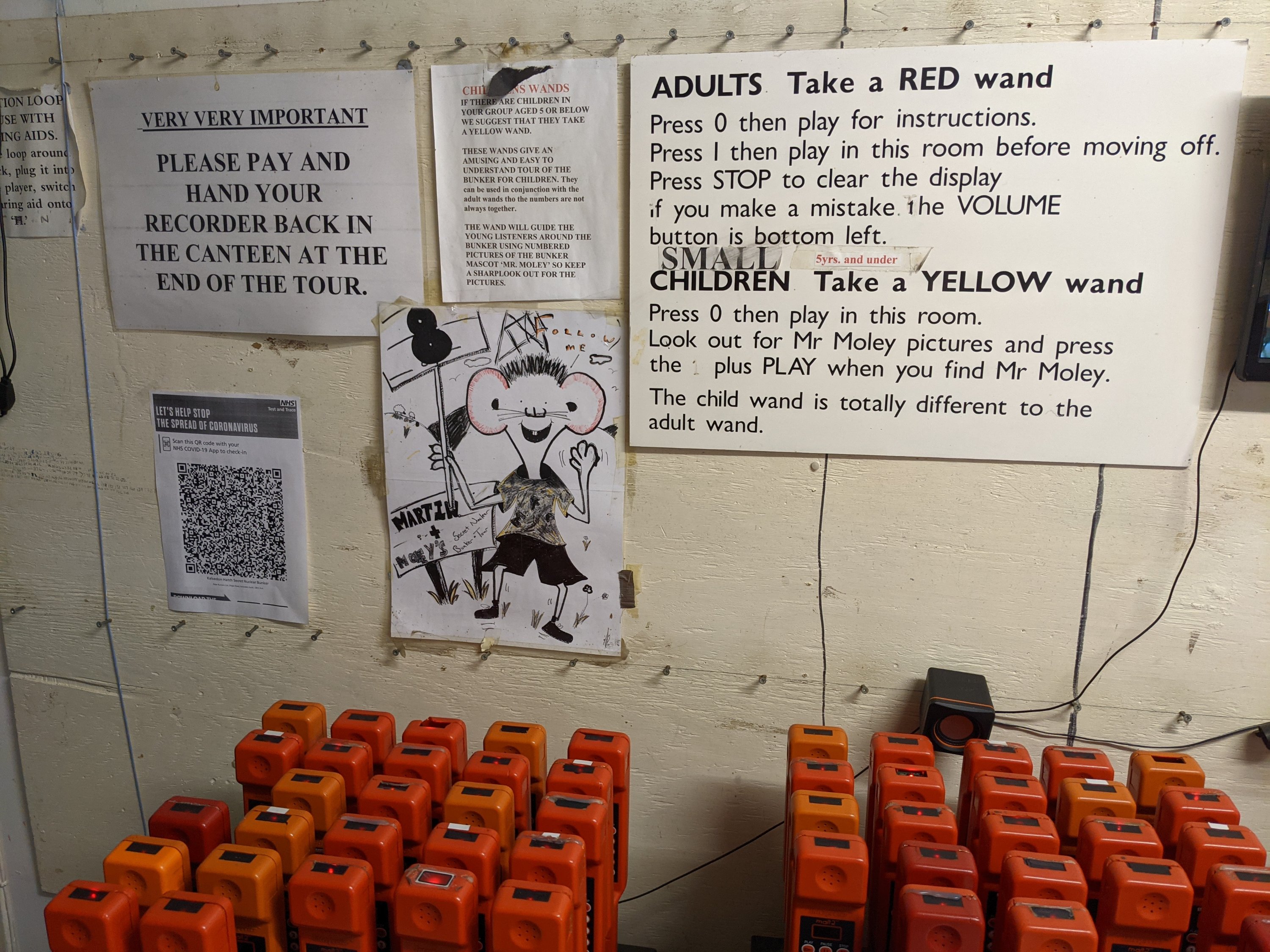
The rodent-themed tour for kids I remembered from 2003 is amazingly still going.
Something that struck me as I walked inside, besides “Woah I’m in a nuclear bunker”, was the strange tone of some of the interior signs. They just grew more and more hostile!
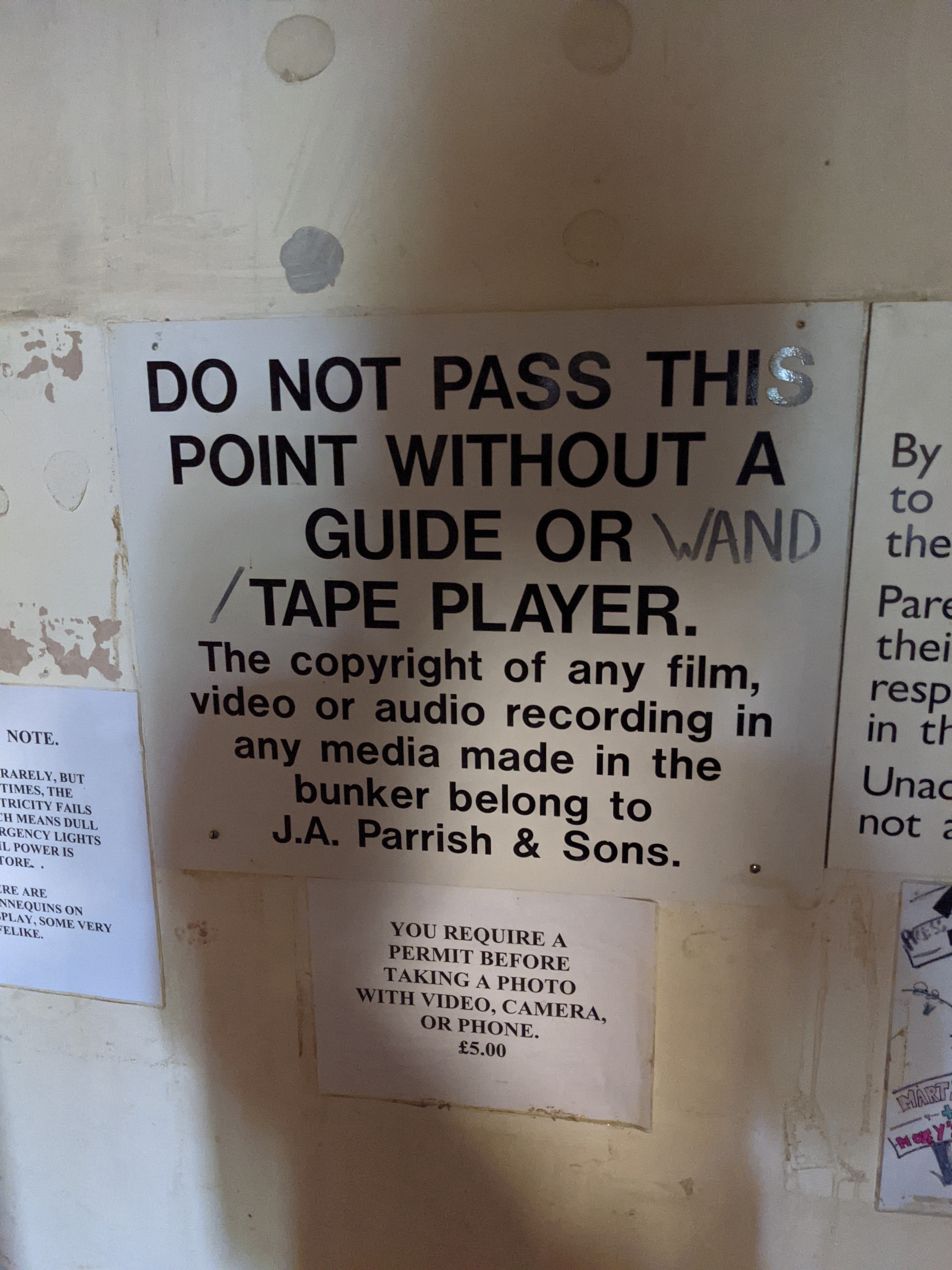
I’m not sure that’s how copyright works 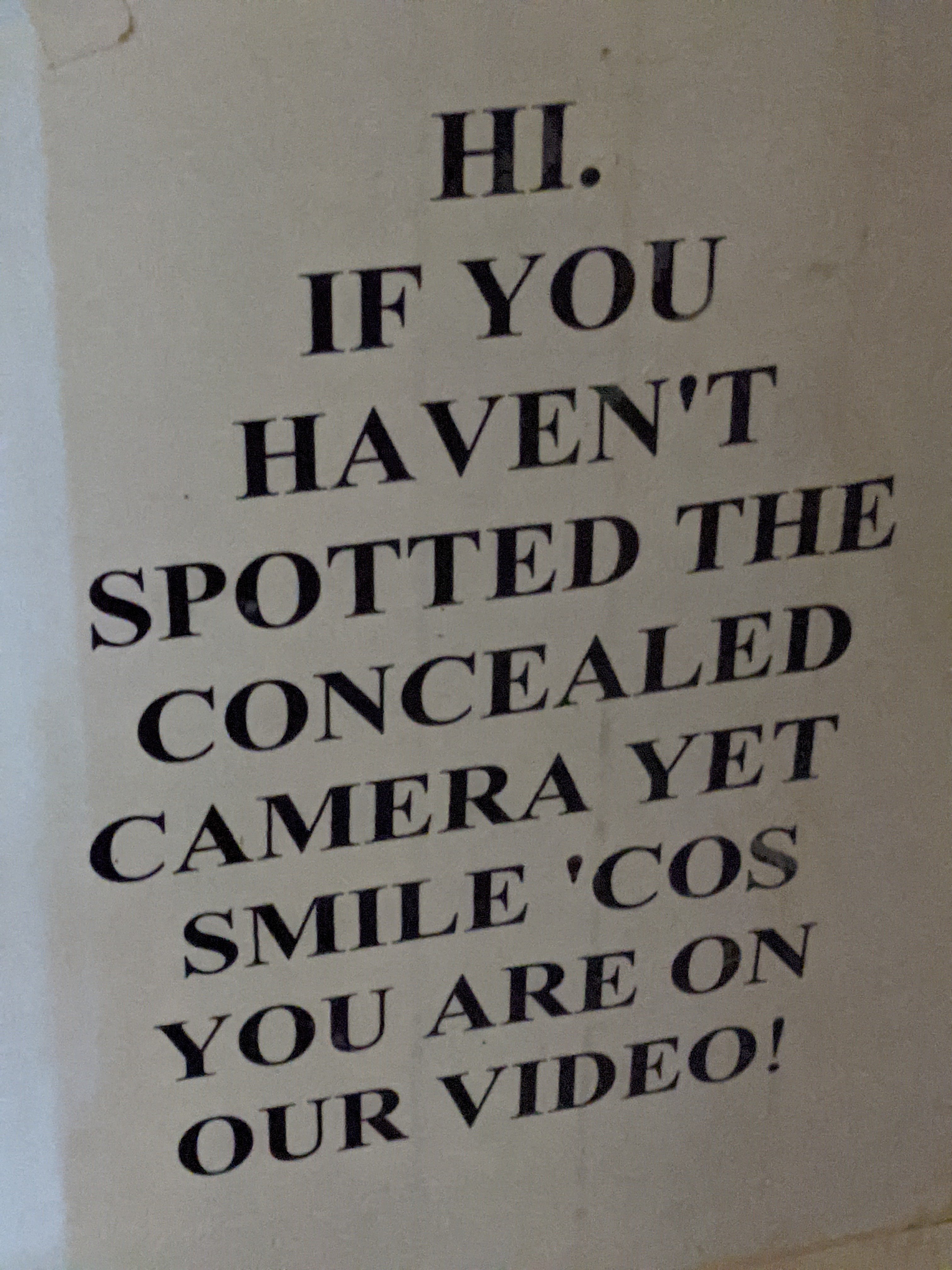
O…okay? 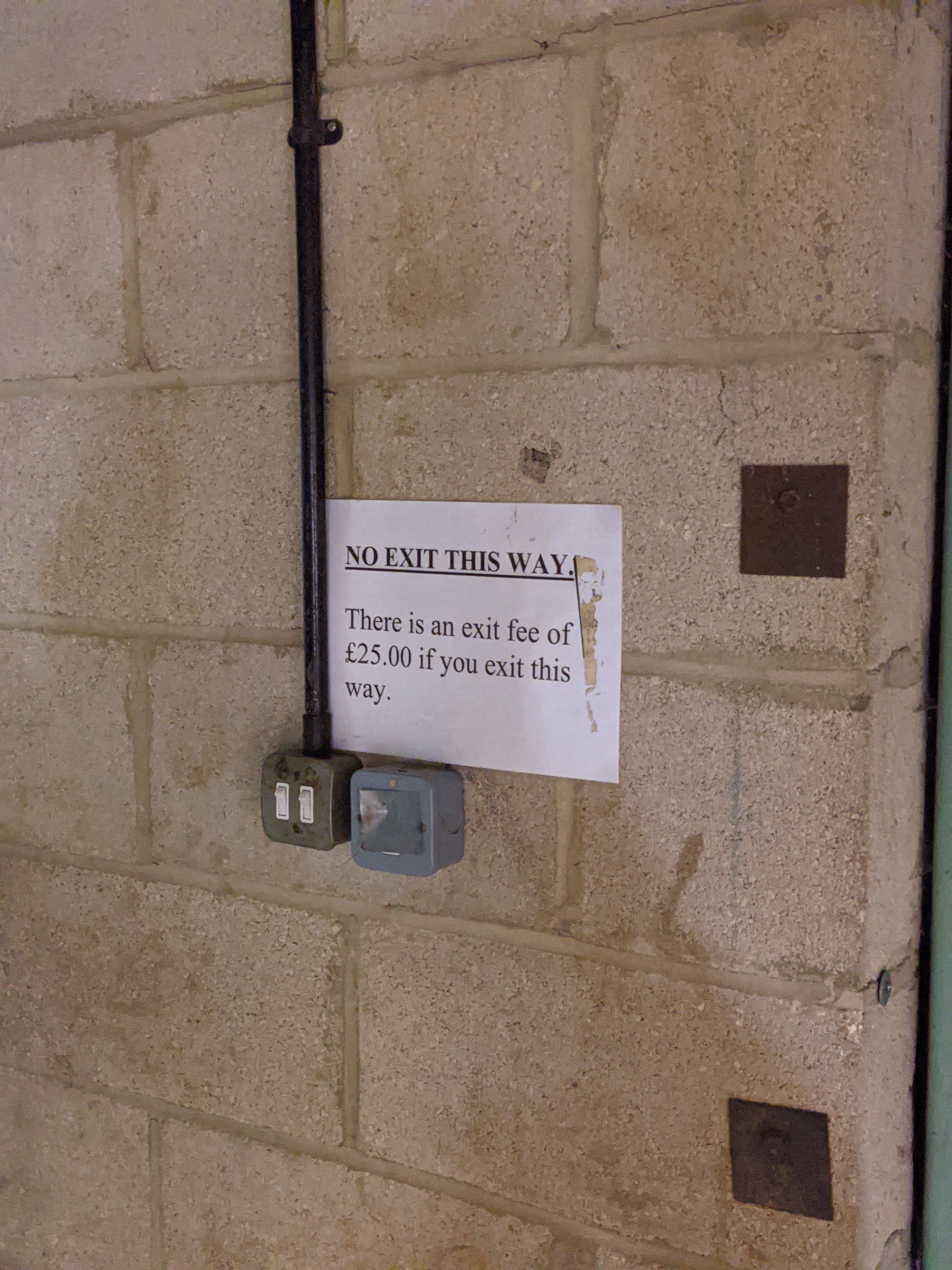
Again I don’t think you could enforce this 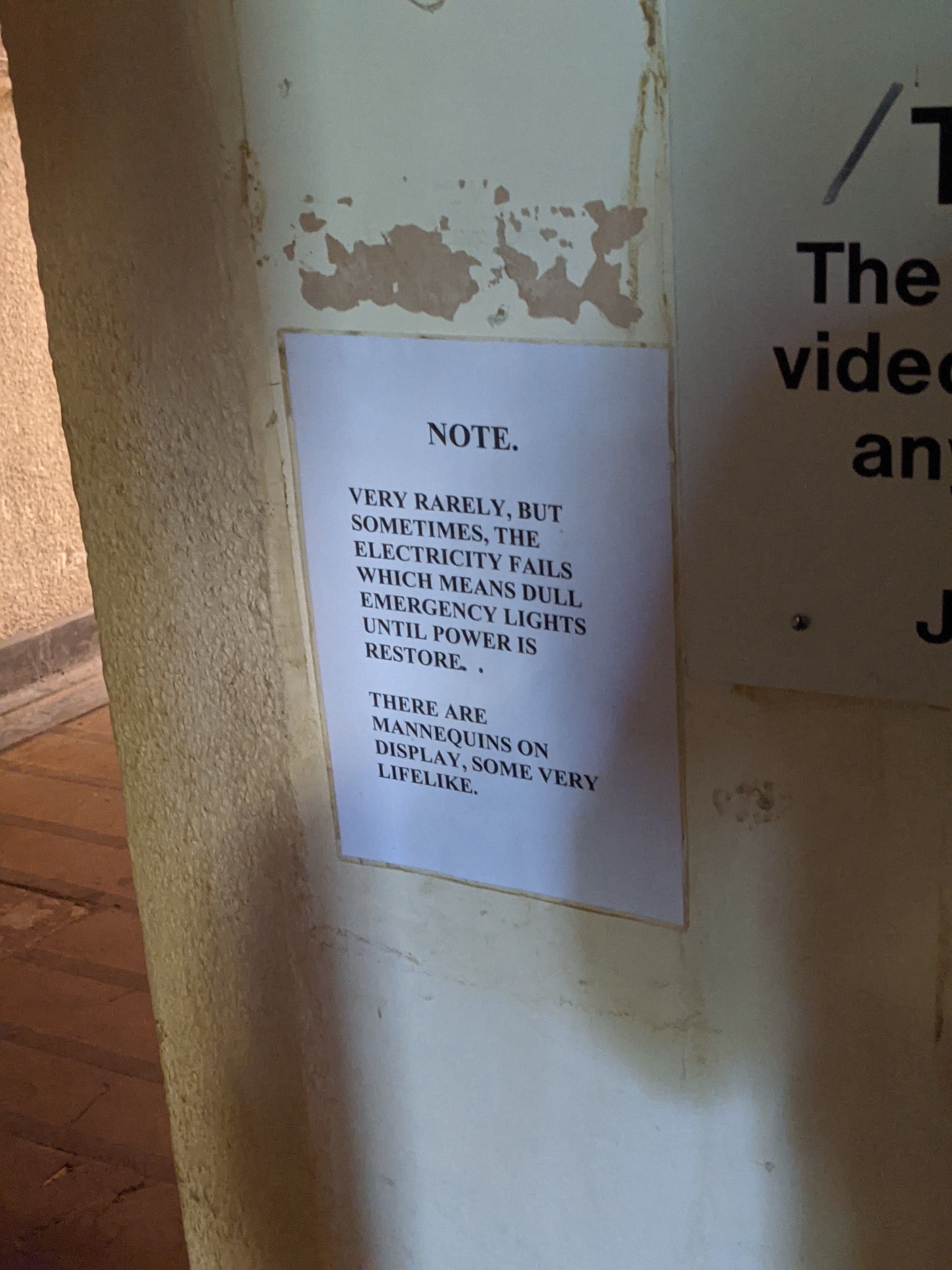
!?!
I’ve never seen an attraction make audio guides mandatory – not recommended, but insist that you take one. I assumed it would be become clear why later on, but… it didn’t. Perhaps they didn’t want visitors getting lost. Or the staff just got tired of answering questions about the bunker.
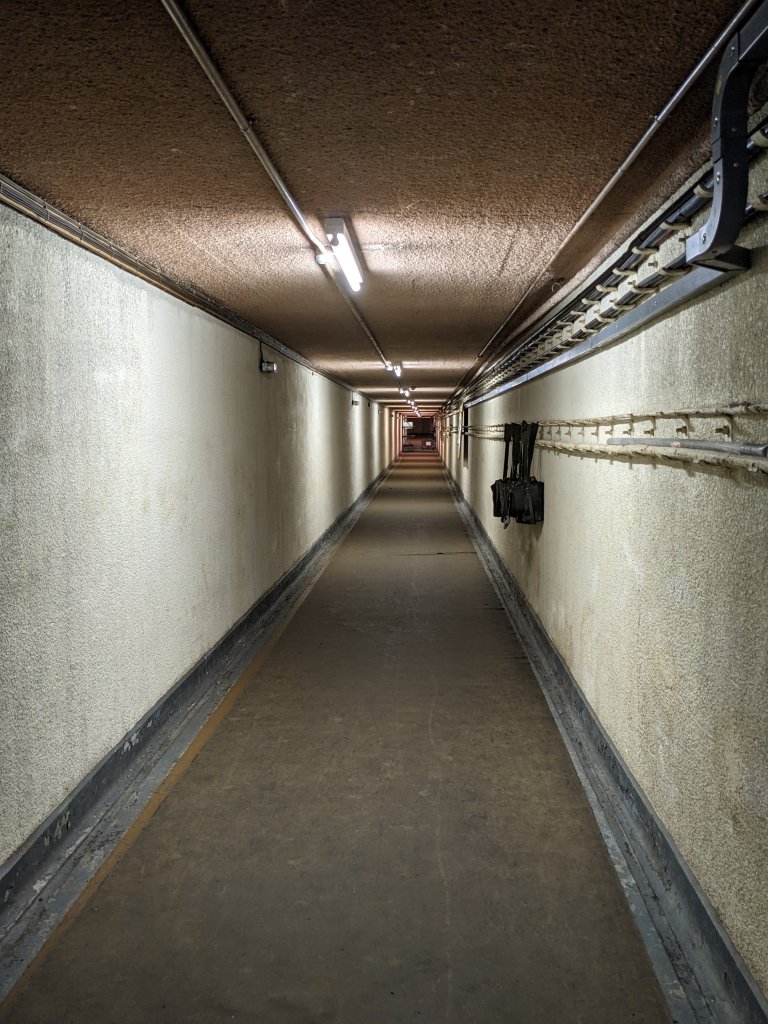
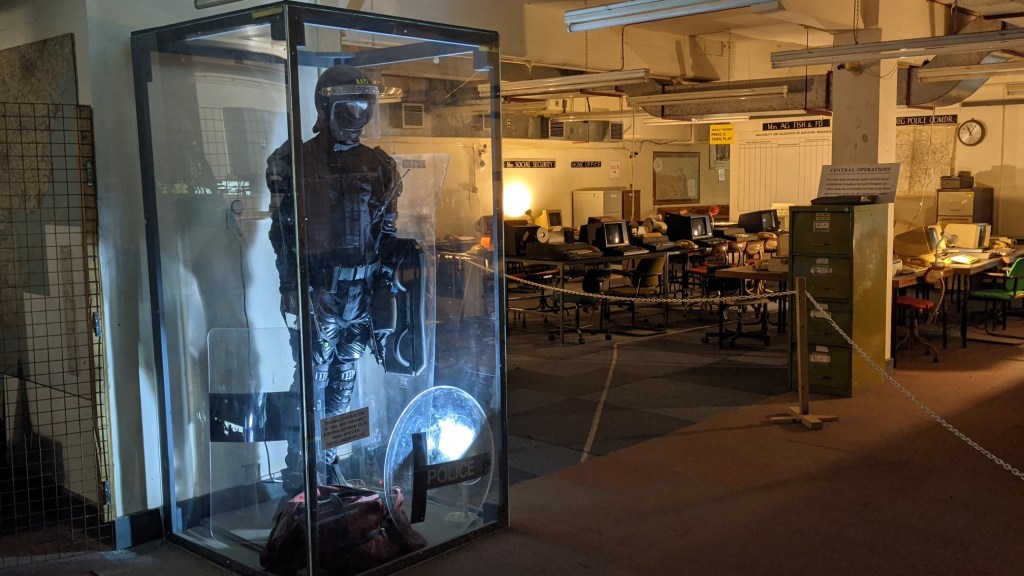
Past the main blast doors, the bunker itself opens up after a long tunnel taking you deep underground. What struck me is just how spacious the place is- the complex isn’t as claustrophobic as I expected. I hadn’t expected open plan offices underground.
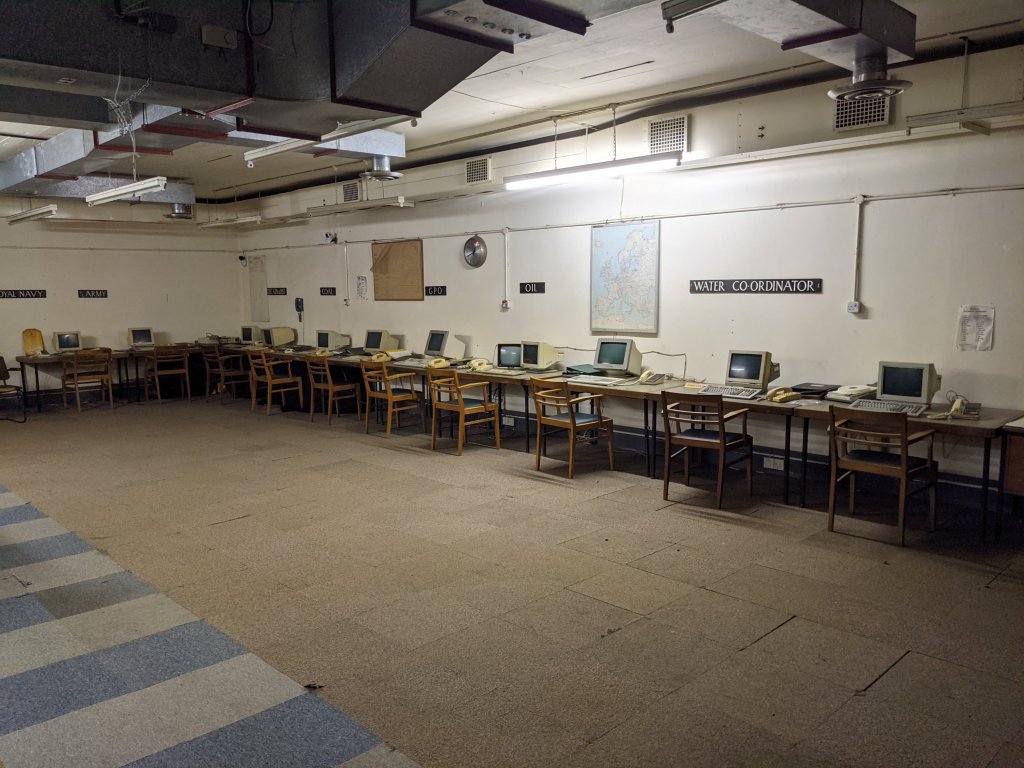
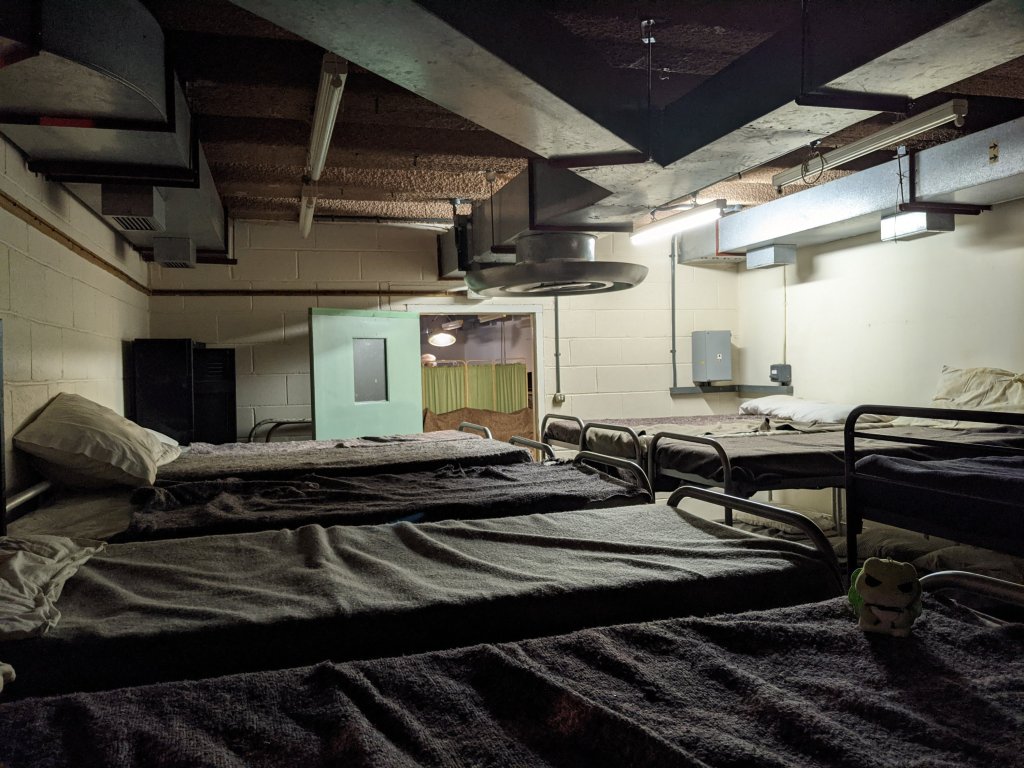
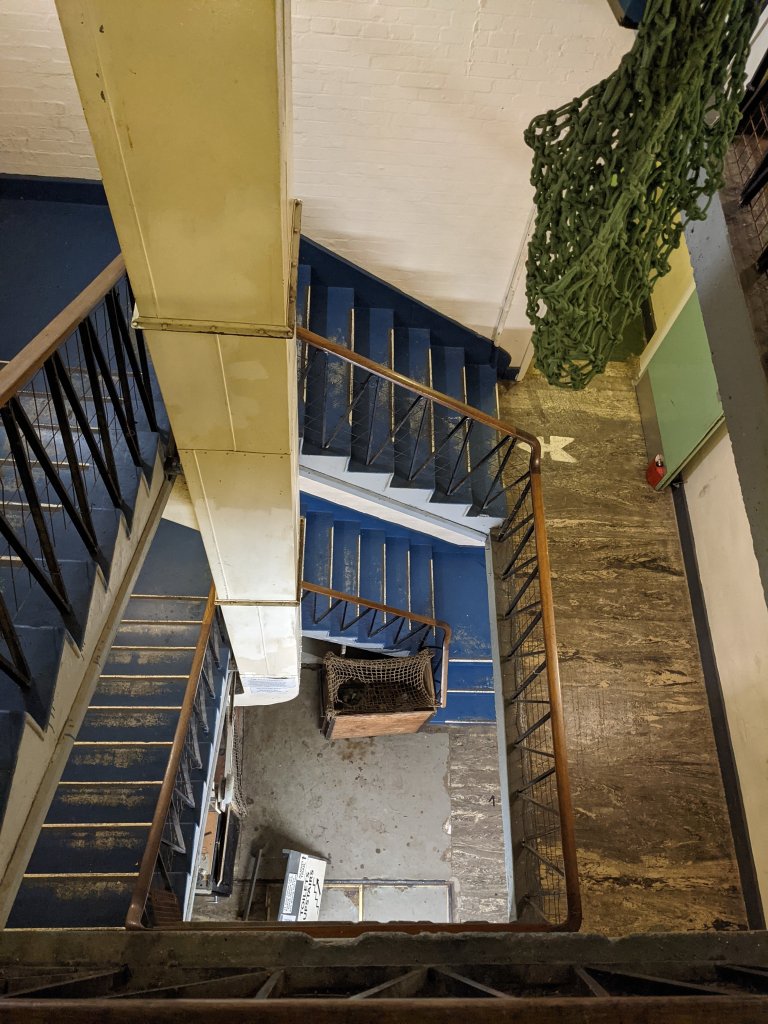
The bunker takes up three floors, and they’re all open to the public. The lower floors are home to communication equipment and industrial rooms such as generators, while the living quarters are closer to the surface. A surprising amount of the complex is open to the public.
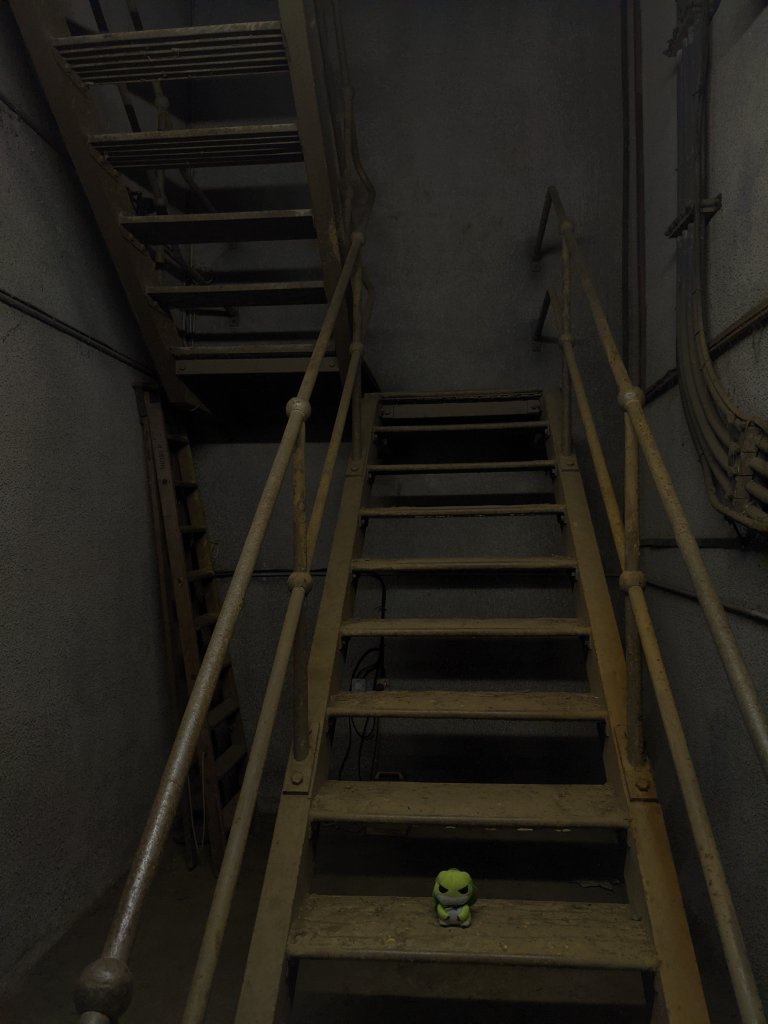
I really enjoyed the variety of rooms on display, including the Prime Minister’s bedroom and several dormitories. Even the toilets have been preserved (although you can’t use them). Many of the exhibits aren’t blocked off either, which really helps with immersion.
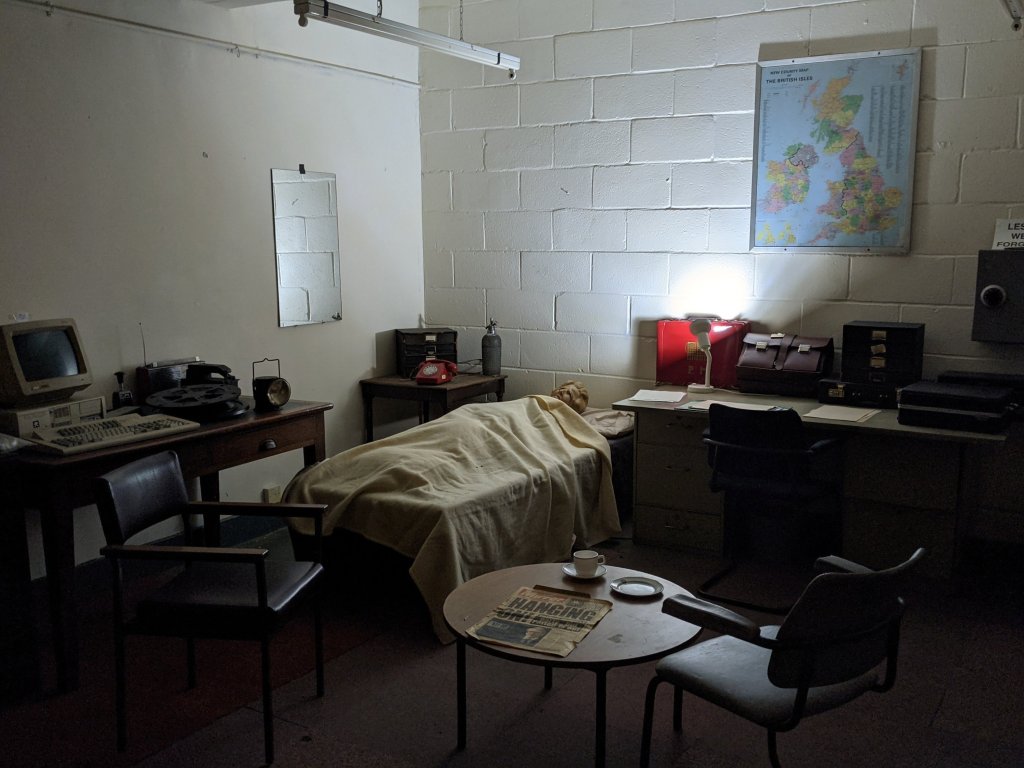
Living conditions in the bunker were pretty Spartan, but not as cramped as I expected. Even the work areas for the less senior inhabitants were relatively spacious, even normal. If it wasn’t for the antiquated technology they’d resemble an aging office building from the 1970s.
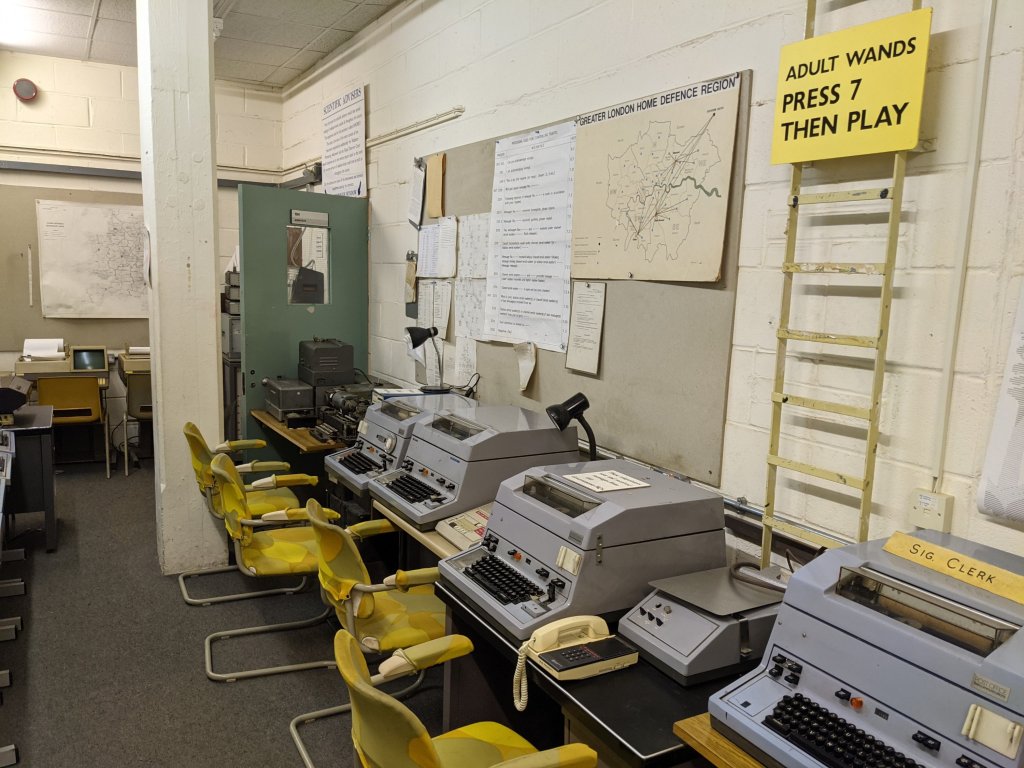
Despite the rocky start to my visit, and a gaggle of school children ruining my immersion a bit, I really enjoyed exploring Kelvedon Hatch. It’s a lot of fun poking your head through doors and finding a massive generator room, or a radio DJ set-up for the Prime Minister.
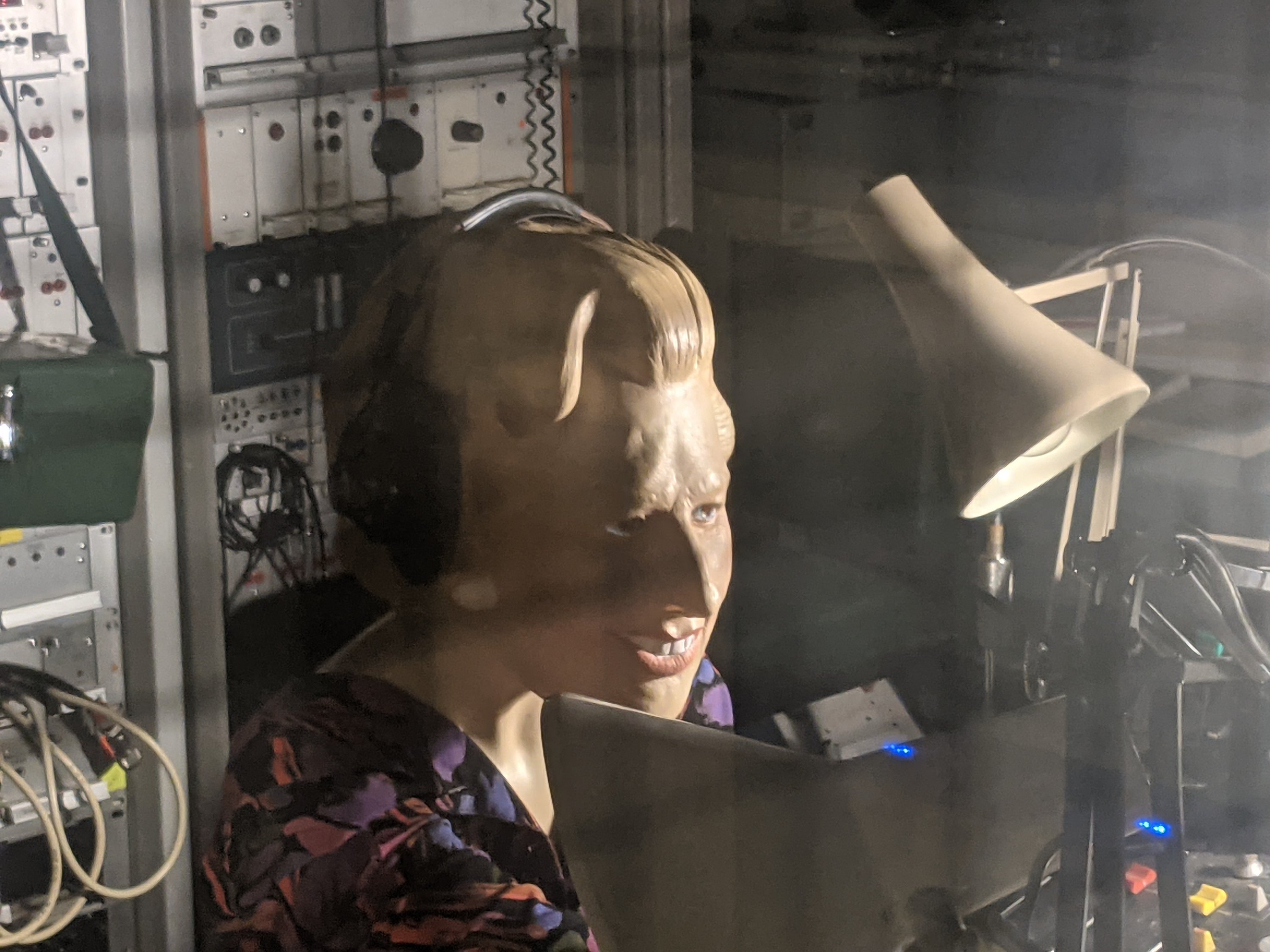
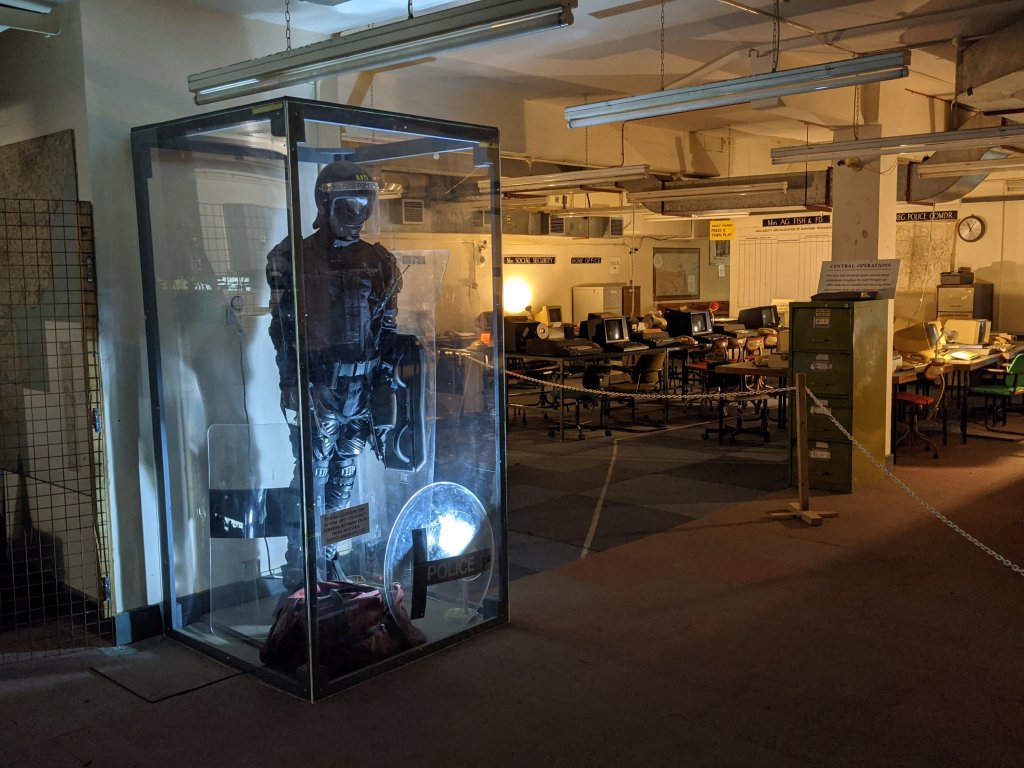
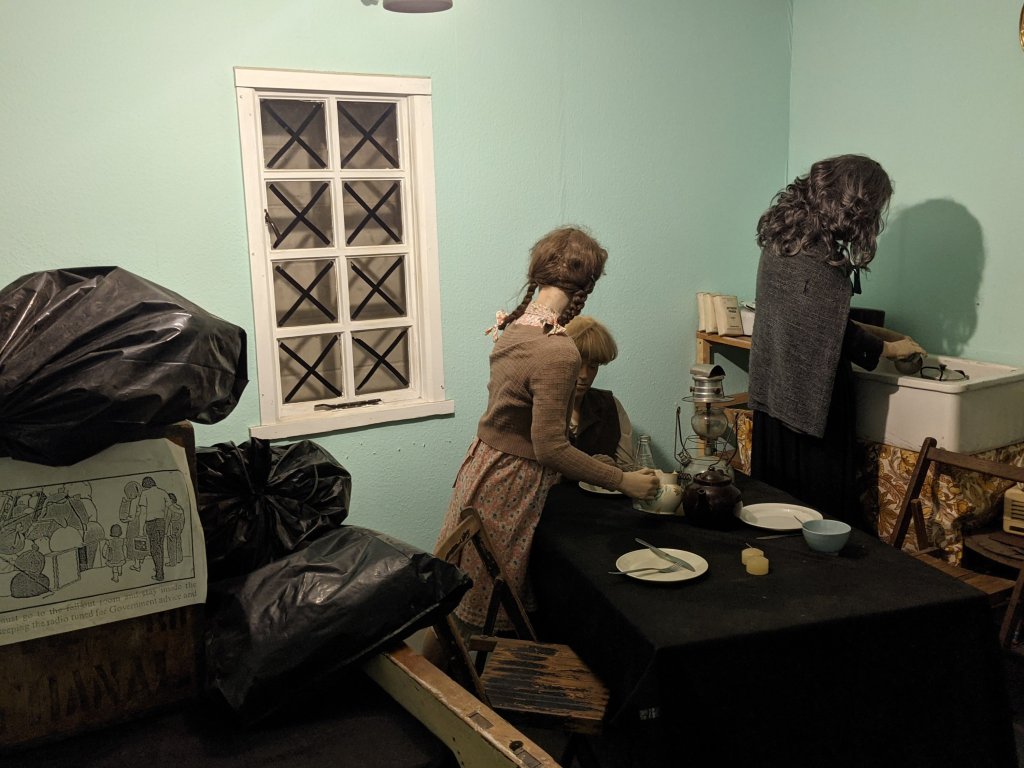
The new owners have also included displays showing what a nuclear war would have looked like outside the bunker, including a cramped observation post and a recreation of how a family would try and survive after the bombs fell.
The tour ends rather abruptly at the canteen on the third floor. There’s a self service cafeteria and some souvenirs, although disappointingly it’s mostly stuff for kids to waste their pocket money on. I picked up a reproduction of the “Protect and Survive” booklet that was sent out in the 70s, paid my entry fee and left out of a tunnel, gaining mobile service for the first time in two hours.
Without rushing, it took me about two hours to tour the entire complex. There’s a few distractions on the way, including old Civil Defence films you can watch and an area where you can try on different costumes (with another really strange sign).
There are other bunkers like Kelvedon Hatch to the public, especially in Eastern Europe, but what makes this one special is how unashamedly British it is – the bunker sits next to an otherwise serene village of the same name. There’s designated space in the complex for the BBC and the County Council. There’s only one room with guns on display. A lot of the bunker has a very strong “Keep Calm and Carry On” vibe, as if a nuclear holocaust isn’t important enough to kick up a fuss about.
Although it’s awkward to reach and has some of the strangest policies I’ve ever seen in a museum (why is the audio guide mandatory?!) I’d strongly recommend taking a day to visit Kelvedon Hatch if you have any interest in the Cold War, or just really like the Fallout game series. Despite being rough around the edges and being strangely managed, the bunker is one of the more unique places you can visit in the UK, and gives a cool insight into how the government tried to prepare for the world ending.
Helpful Information
- Entry is £8.50. I found conflicting information on this online, but I’d like to confirm that you can now pay by card, although they seem to have done this very begrudgingly.
- The canteen serves hot drinks and a few snacks but no substantial meals. The entrance to the bunker has toilets, including one labelled “disabled/unisex”, but they’re pretty grim.
- Audio guides are in English only but there’s transcripts available in other languages that you can take around with you.
- Being as you’re in a structure designed to withstand a nuclear warhead, there’s unsurprisingly no phone signal whild you’re in the bunker. This includes the ground level canteen.
- Please see this post for information on getting here by public transport!

 ☕🐸Coffee Frog Travel Blog🐸☕
Leave a comment