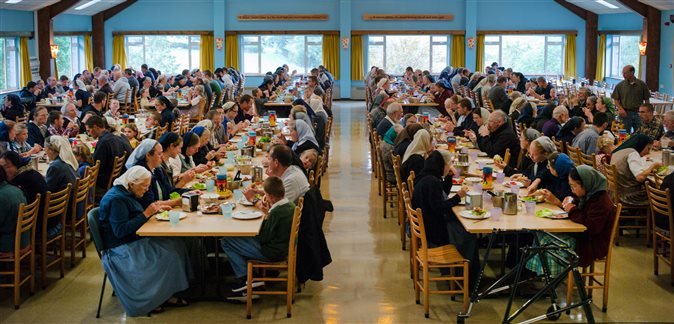
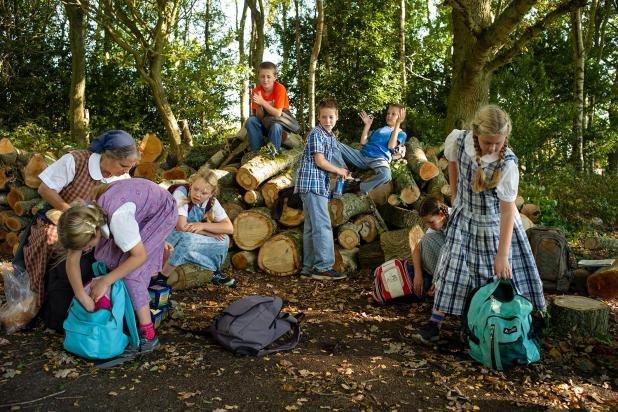
Most of the photos I took won’t include people as I wanted to avoid any privacy issues. To help best show you what the community looks like, I’ve included some photographs of members from the Bruderhof website. I’ve also avoided using specific names for the same reason.
Context!
The Bruderhof community is difficult to categorise. They live communally, but they’re not based on Leftist ideas on how society should function like the Kibbutzim of Israel. They have a strong, central focus on their religious beliefs, but they certainly aren’t a cult like Jonestown or closed off to visitors like the Plymouth Brethren. They avoid some forms of modern technology, such as smart phones and social media, but aren’t as strict as the Amish. The Bruderhof have existed in some form of another for about a century, and at the time of my visit seem to be thriving, something which has perked my curiousity ever since I found out about them last year.
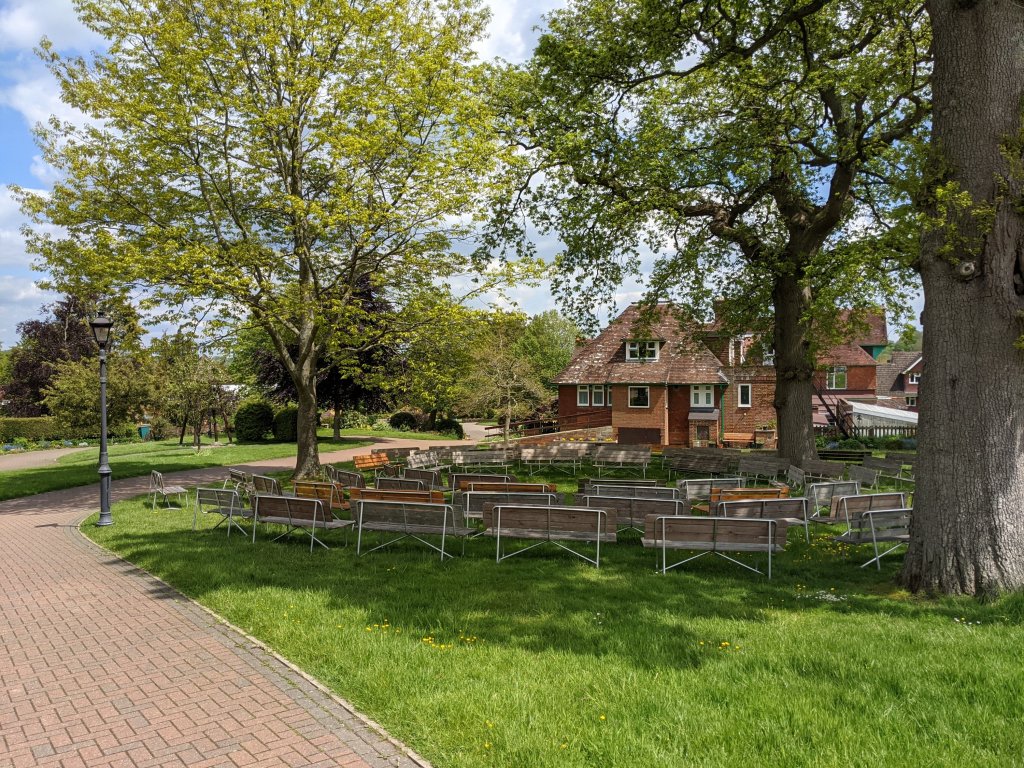
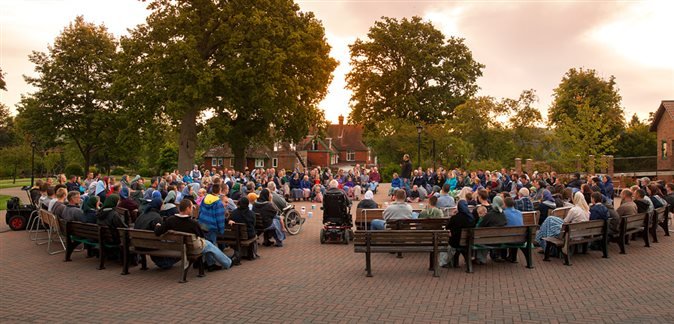
I first heard about Darvell when I came across the documentary “Inside the Bruderhof”. In a nutshell, life is focused on religion, communal living and shared labour. Private property is discouraged, and tasks are often segregated by sex. Members eat together, worship together and work together. Most things are done as a community, although it’s possible for members to focus on their own projects, such as raising livestock or gardening. In return for the unpaid labour, residents don’t have to pay any living expenses – everything they need is provided for free.
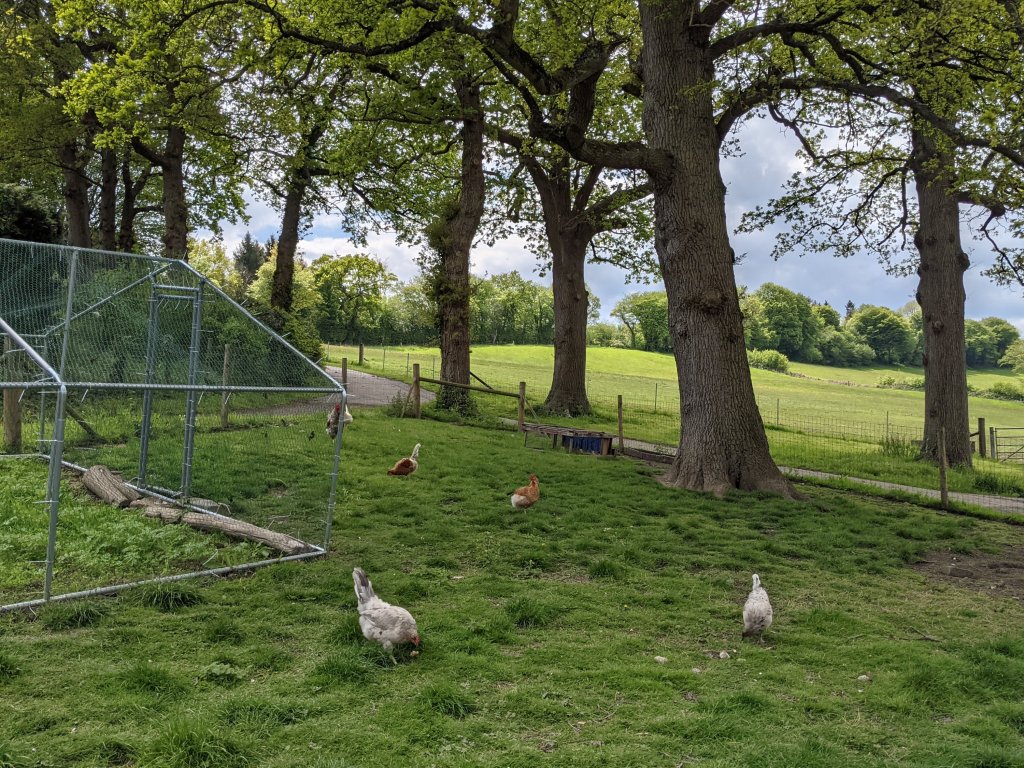
Darvell is one of two major Bruderhof communities in the UK, located in the heart of Sussex (the other group is somewhere in Kent). The community numbers about two hundred or so people. Other Bruderhof groups exist outside the UK, but their numbers aren’t huge – worldwide, only about two thousand people live in these communities.
I was curious about this communal living in the UK of all places – I’d visited a Kibbutz near Tel Aviv and the anarchist commune of Christiania in Copenhagen, but for some reason It hadn’t occurred to me that such an arrangement could survive here. Checking the Bruderhof website, I was surprised to find that visitors are not only tolerated but actively encouraged. I filled out an online form, and surprisingly was able to arrange a personal visit, just weeks after the covid lockdown had ended.
The Experience
I was met at the station by my guide, who had lived in the community his entire life. As we walked through the countryside to Darvell he explained his background, how he was married and had a baby daughter (who I later met – she was very cute).
He didn’t react negatively when I admitted I consider myself a Buddhist, and asked some questions about my beliefs that I could have answered better. Considering how often I do this sort of interfaith business, I should probably work on my elevator pitch for Zen Buddhist thought.
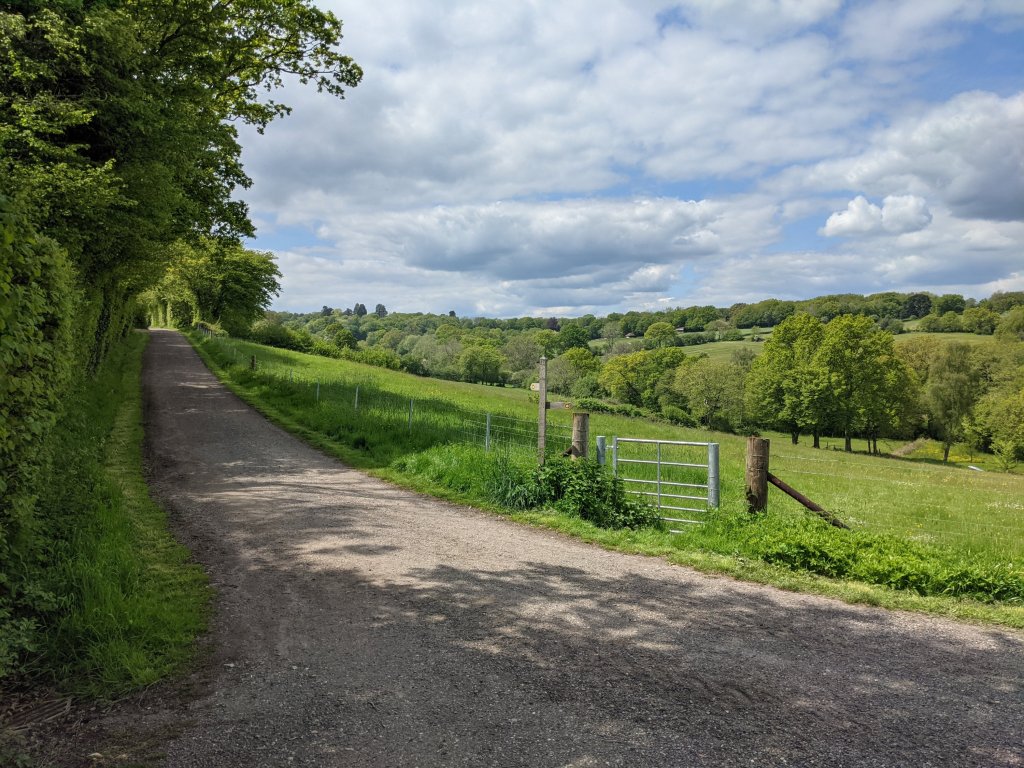
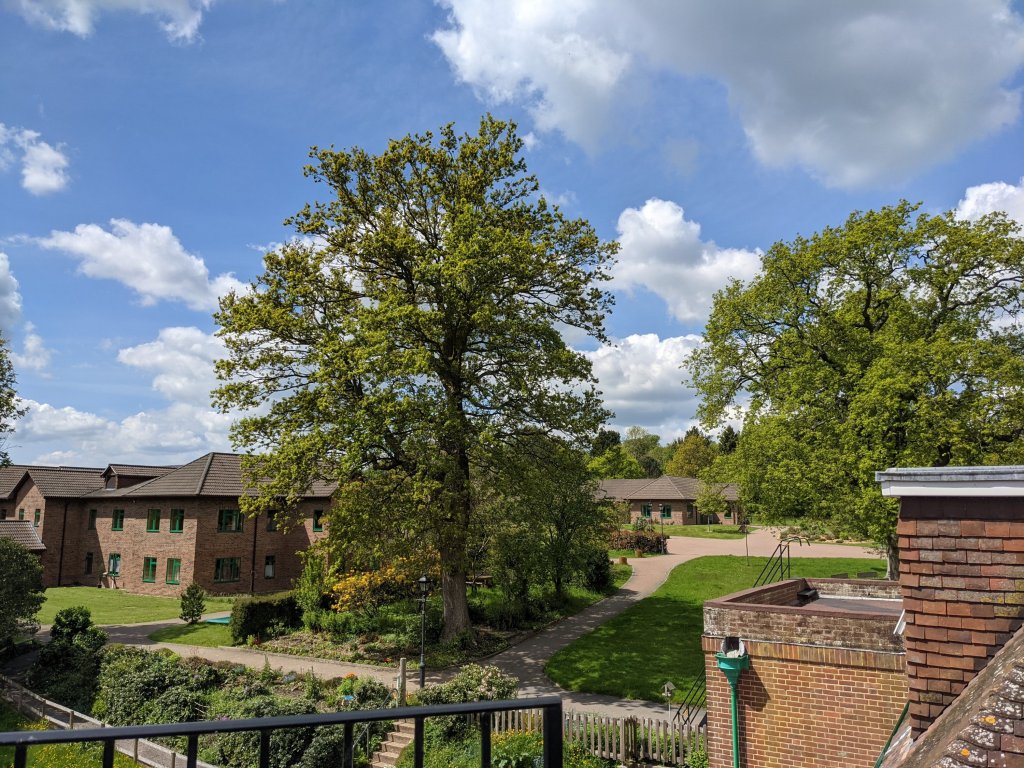
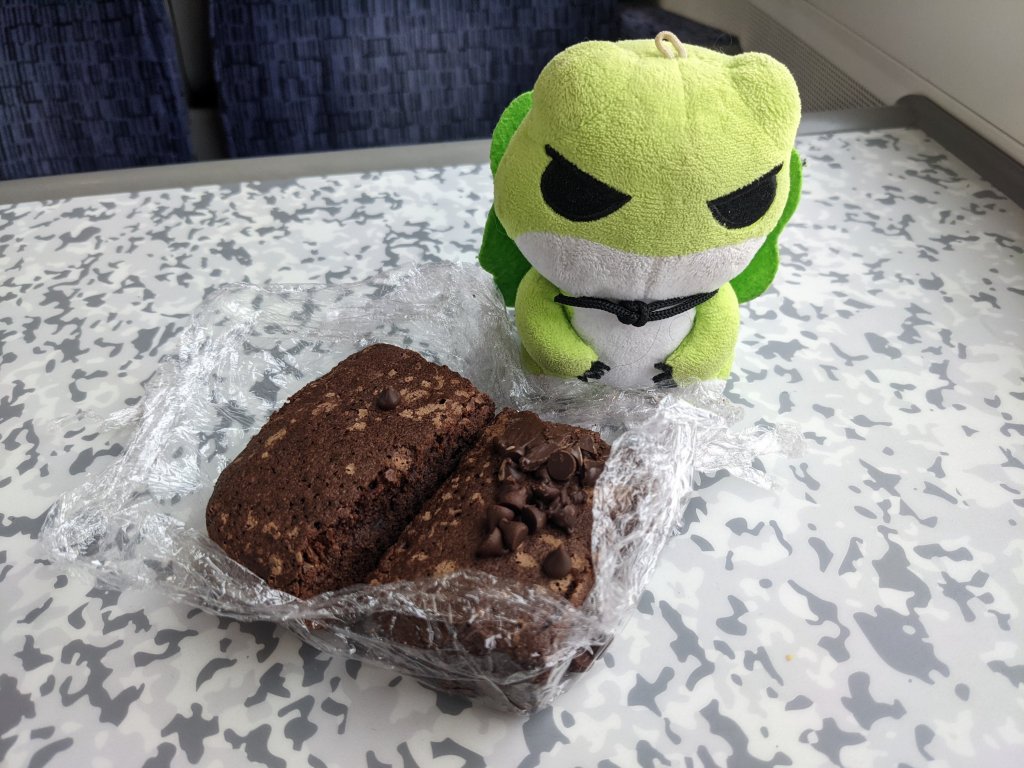
Darvell isn’t exactly isolated and it didn’t take us long to reach it – the site is only a ten minute walk from the nearest train station. When we arrived, my guide took me up to his living quarters and we discussed how the community works over coffee (and homemade brownies, made by his wife). Accommodation is free, albeit intentionally basic. Kitchen quarters are shared between families but bedrooms remain separate. I noticed that some members had privacy curtains instead of doors (apparently you can choose what you want). Furniture is supplied free of charge, and residents pay no rent, bills or upkeep charges. There’s also guest accommodation available for outsiders who want to stay awhile.
While we chatted, some school children came out for recess in a nearby field (Darvell has an independent school on site). One thing I noticed was that the girls have a much stricter dress code than the boys. This seems to continue into adulthood – women often cover their hair, wear long dresses and don’t really use make-up. From what I understand this is to encourage humility, but the feminist in me wasn’t sure how to feel about it, especially as the men seemed much less restricted in their appearance.
Coffee drank, my guide was keen to show me the factory, where members create wooden play equipment to sell to nurseries. The business is a major source of income for the community and helps keep Darvell as a whole afloat. The people inside who I spoke to all seemed very proud of the venture, although some did admit that the work could be strenuous and repetitive. There’s a big emphasis on sustainable production too which is really cool.
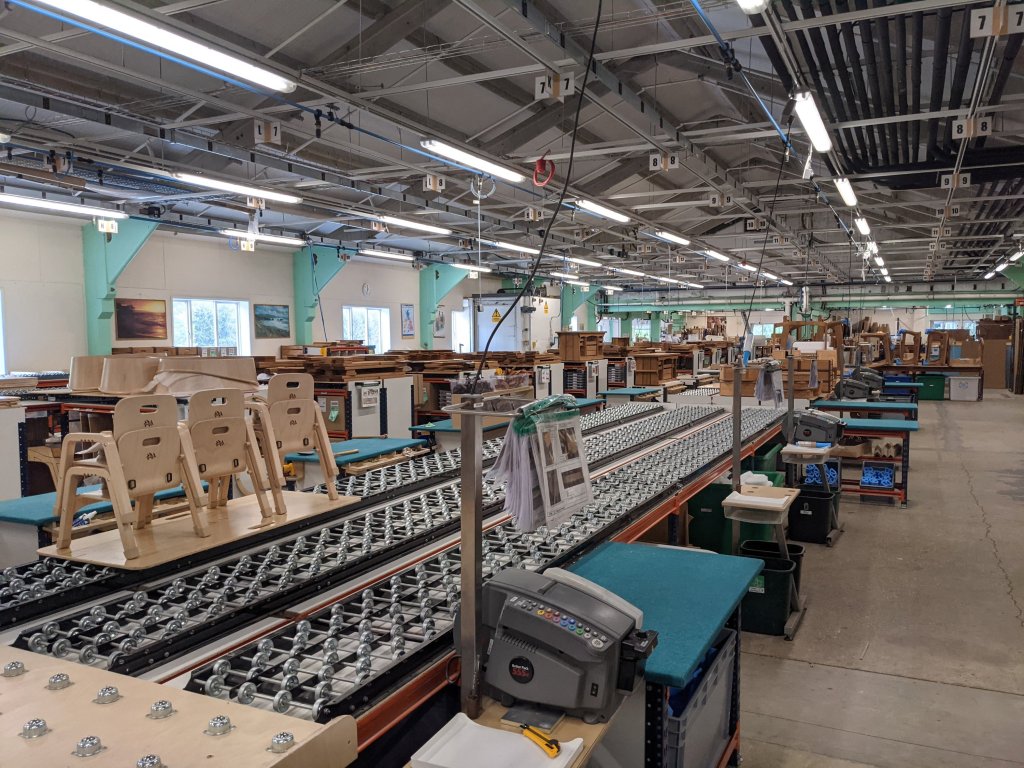
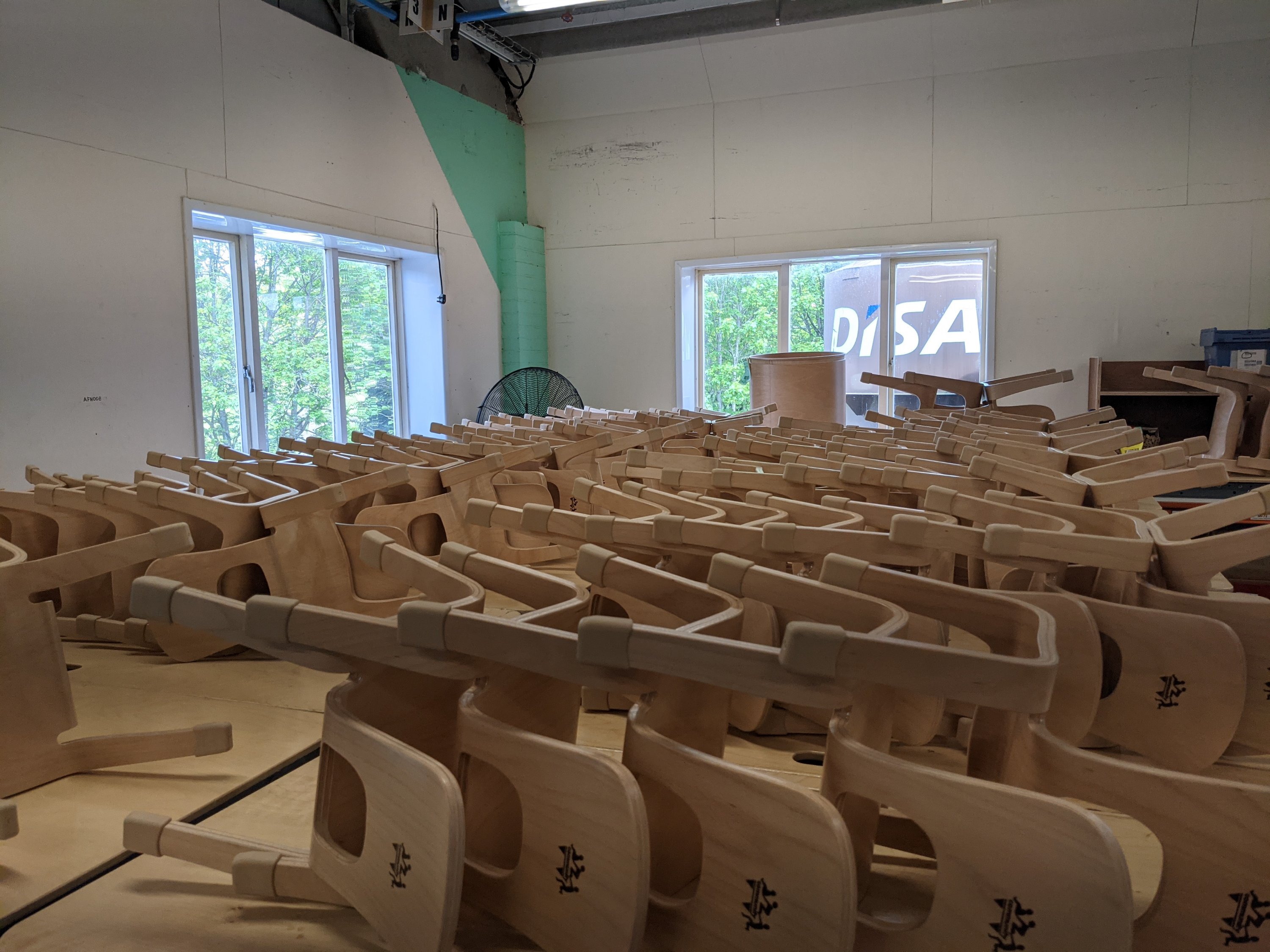
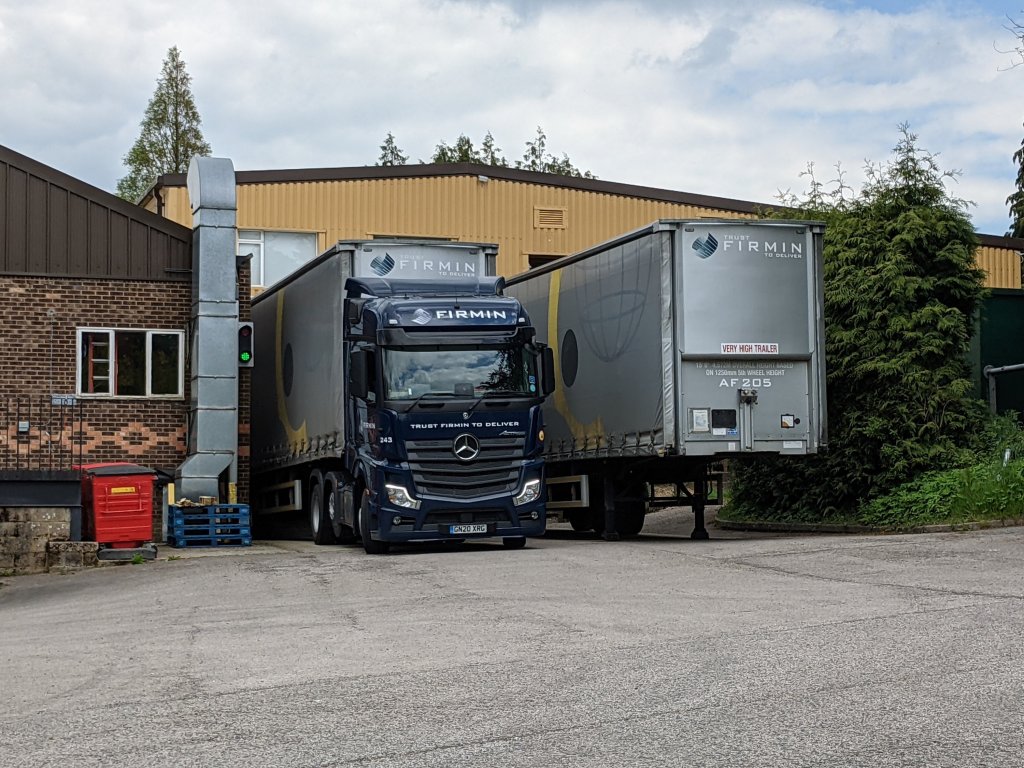
This play equipment is apparently popular enough that they require lorries to arrive every day to collect orders being sent out for delivery. For a fee, Darvell members will even come out and assemble it for you.
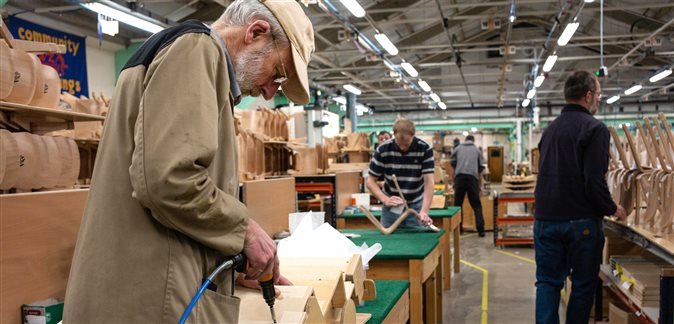
One thing I noticed was that older people are given work to carry out in the factory. They’re only given tasks they’re physically capable of carrying out of course, but it gives them the chance to do something productive with their time, instead of watching endless reruns of Countdown. They’re free to socialise with their fellow elders while they screw bolts or sand off rough bits of wood.
Compassionate care of the elderly became a running theme of my visit and was the biggest takeaway of how Bruderhof could act as a model for a better society. Even members with severe dementia are integrated well into the community – at one point we passed an elderly gentleman with advanced dementia being taken out for a stroll in their wheelchair. My guide explained that the old man had been one of Darvell’s best salesmen in the past, and the community were returning the favour by looking after him in his twilight years.
Bruderhof’s integrated elderly community caused some problems when the COVID-19 pandemic hit – in the early months of lockdown they were kept isolated for their own protection, but this proved to be so detrimental for their well-being that arrangements were made so they could continue their work as much as possible. Thankfully the Bruderhof are not a group that disavows modern medicine – the community was vaccinated as soon as possible, and I was asked to wear a mask when going indoors.
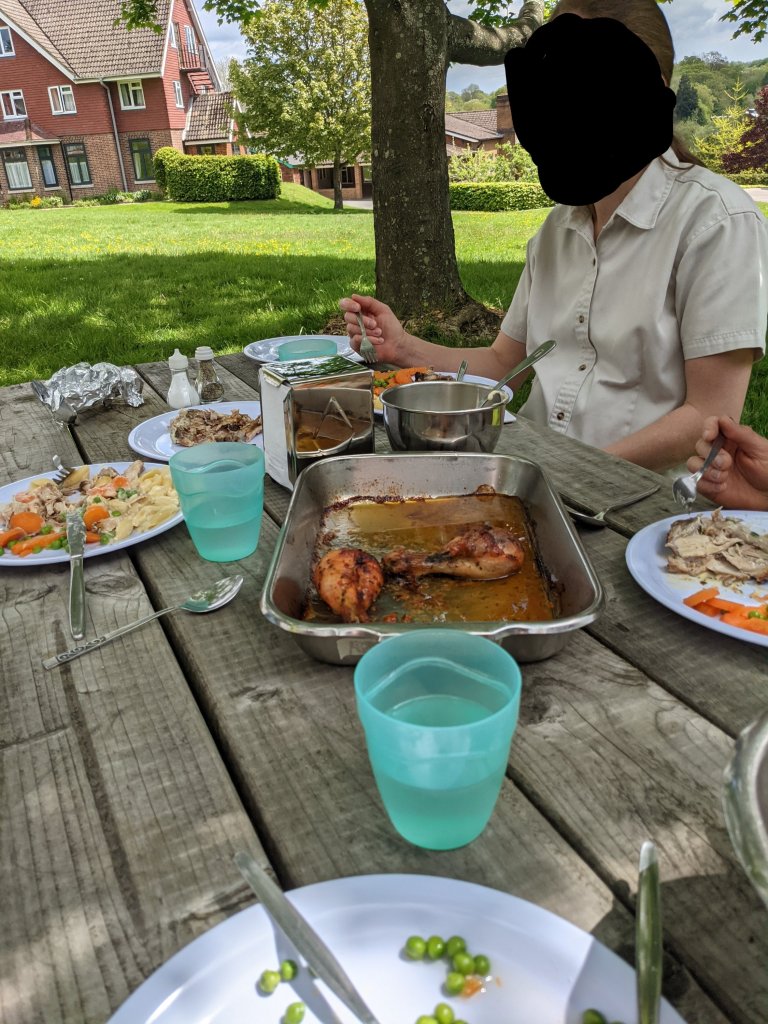
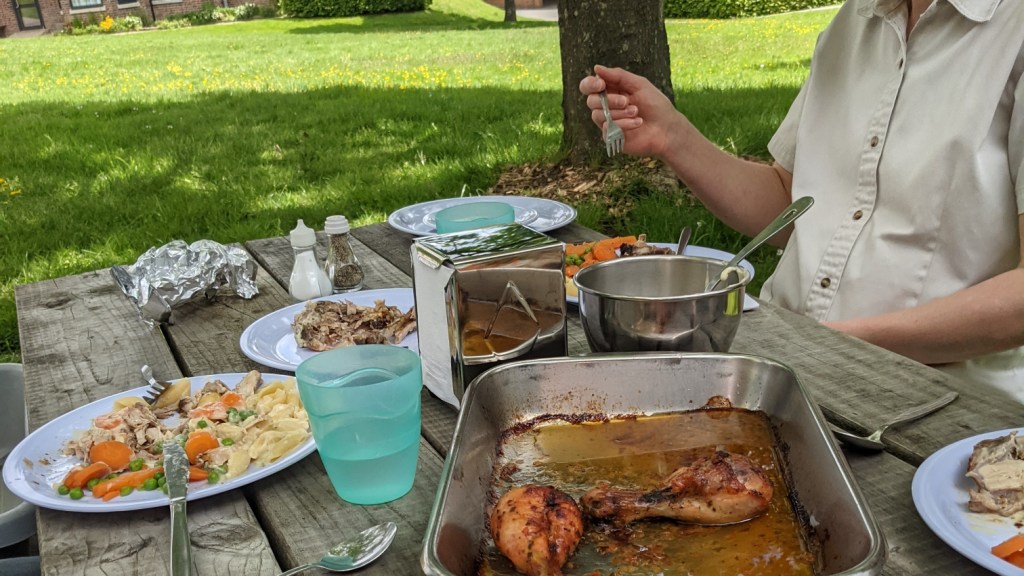
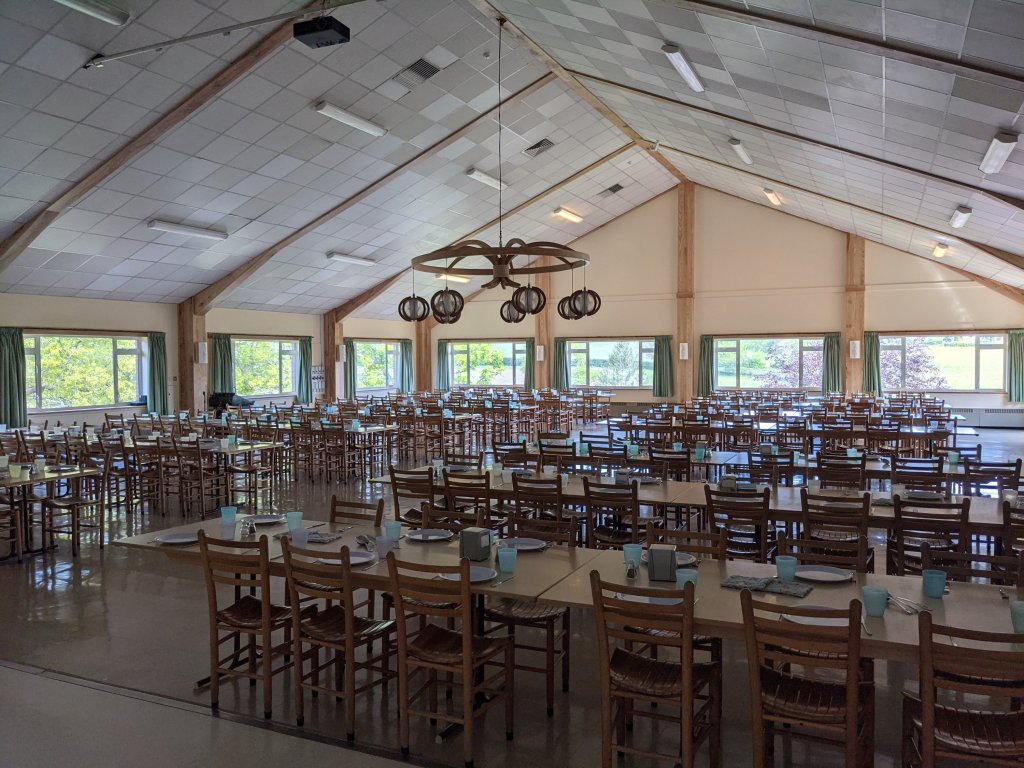
A nice surprise is that I was actually fed during my brief stay. Over lunch (and more homemade brownies) I sat with my guide, his partner and a recent ‘convert’ who had moved to Darvell about a year before. They’re very happy to talk about their beliefs and their thoughts on the ‘outside world’.
A few things surprised me during our long conversation – at one point I had to explain what Instagram likes were. Later on I mentioned L Ron Hubbard, then had to abandon my attempt to describe his belief system because I just sounded like a raving lunatic.
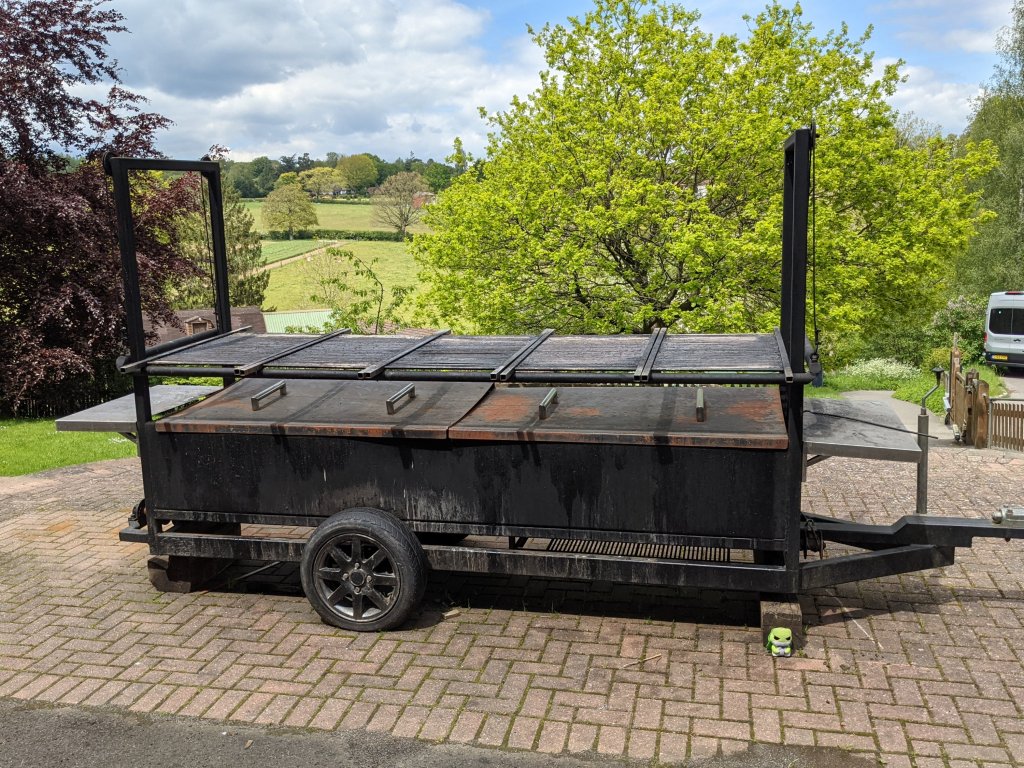
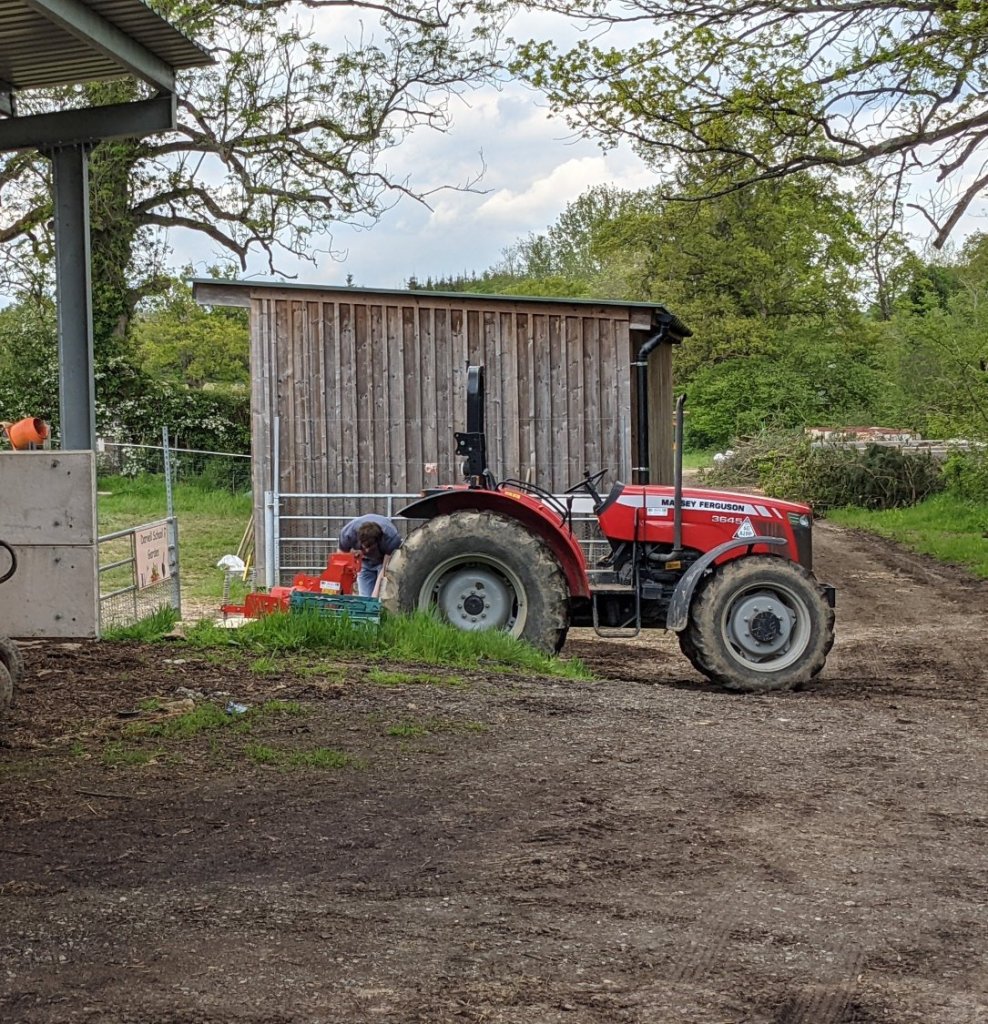
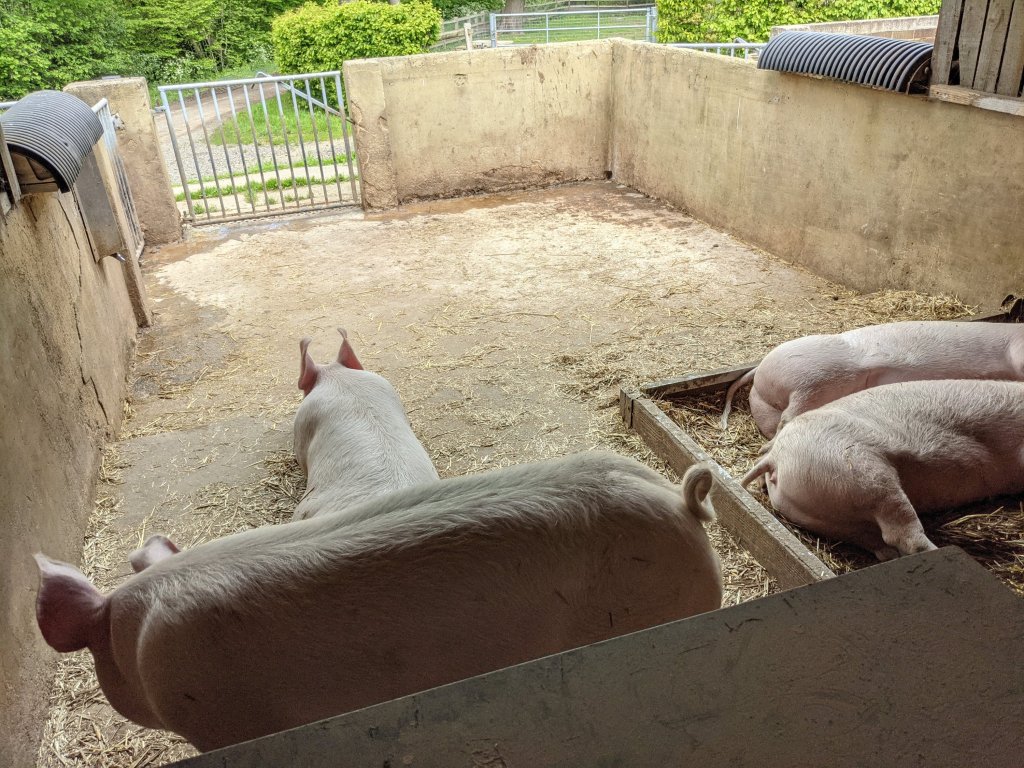
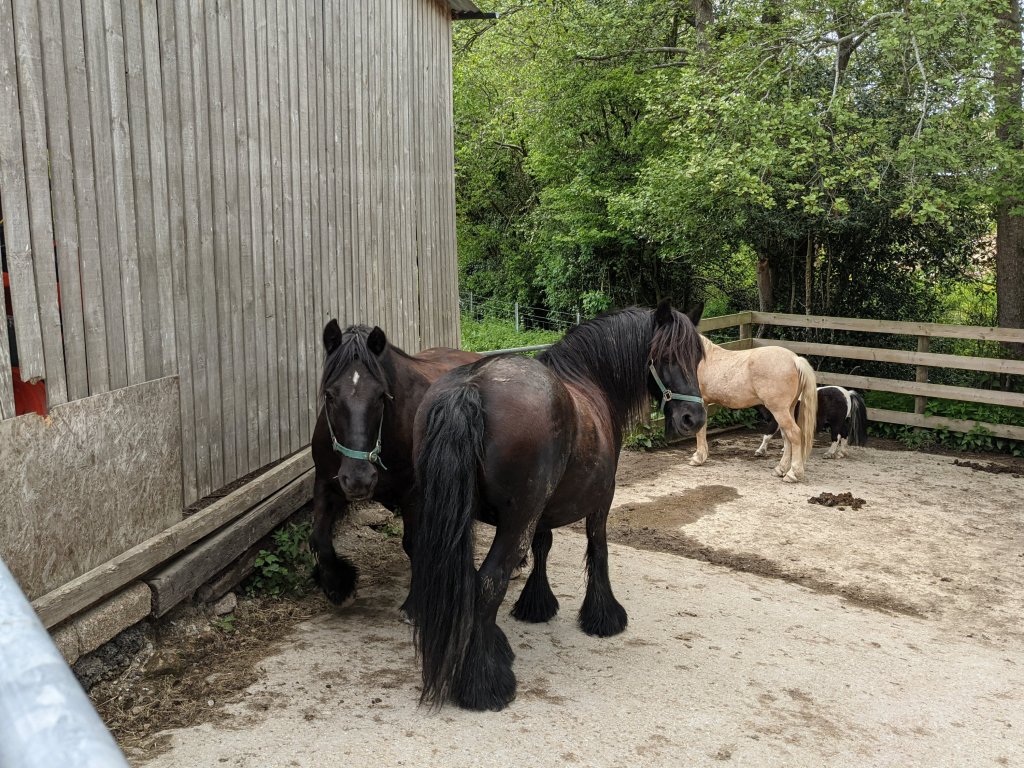
Darvell is not a massive community – I saw nearly everything in the short time I was there. The final thing my guide took me to was the communal farm, where the community raises livestock for slaughter. The community is far from self sufficient (many of their supplies are brought in via bulk buying from supermarkets), but they’re able to produce some of their food by themselves. My guide mentioned that they like to know where their food comes from, including meat.
By the end of my stay at Bruderhof I could appreciate how people can spend their entire lives there. Food, accomodation and work is provided. The rural landscape is gorgeous. Even as a brief visitor I was soon on first name basis with multiple people there. They have a sense of community that would be incredibly difficult to emulate elsewhere.
My guide mentioned that the religious aspect of the Bruderhof movement keeps the community together, and from what I’ve seen I’d have to agree. I can’t imagine this would work in a secular environment – how else would people be inspired to do endless banal tasks for free? There is some variation in what work you can do – one member mentioned that if a task ‘isn’t working for you’ you can ask to be assigned elsewhere – but I’d still struggle to get up at 6am every morning to shovel mulch or wash dishes in the middle of winter.
It’s not a typical tourist destination at all, but I think Darvell is a remarkable example of a healthy planned community. If you can handle the socially conservative environment, and have an interest in communal living or new religious movements, I’d encourage you to contact the Bruderhof and arrange a visit.
Helpful information
- Travel from London to Robertsbridge takes about 90 minutes by train. These are about once an hour. Robertsbridge station is very small and rural! My guide met me at the station and we walked down to Darvell together.
- The entire tour is completely free. I didn’t spend, or was even encouraged to spend, any money at all. Food and drinks were included.
- You’ll need to arrange a tour if you want to visit – you can’t just turn up. I did have to specify via email that I was interested in visiting Darvell specifically, instead of their smaller community House in Peckham.
- Tours seem pretty freeform – there’s no set itinerary – but as the community is quite small you’ll probably see everything in half a day.
- My guide and members of the community seemed very happy to answer questions. They may also have questions for you, but (from what I can tell) they won’t try to convert you.
- There are toilets available for visitors.
- Although they are very open to visits from outsiders, including non-Christians, the Bruderhof are very socially conservative. Queer relationships are frowned upon, and as far as I can tell they sadly aren’t supportive of trans folk. Please keep this mind if you’re part of the LGBT+ community and choose to visit.
- However (because of the large number of elderly residents) the community seemed very friendly for disabled visitors. There were ramps everywhere in the complex and my guide was very accommodating.
 ☕🐸Coffee Frog Travel Blog🐸☕
Leave a comment