
Context!
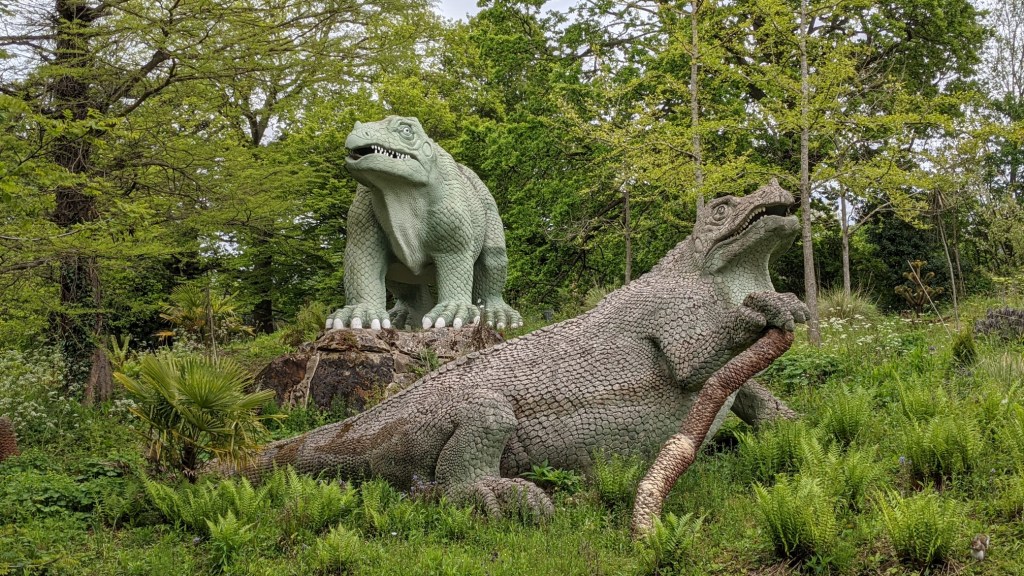
As huge as London is, I think the Crystal Palace dinosaurs are my favourite thing in the whole city. They’re obscure, out the way and basically falling apart these days, but there’s really nothing like them anywhere else in the planet.
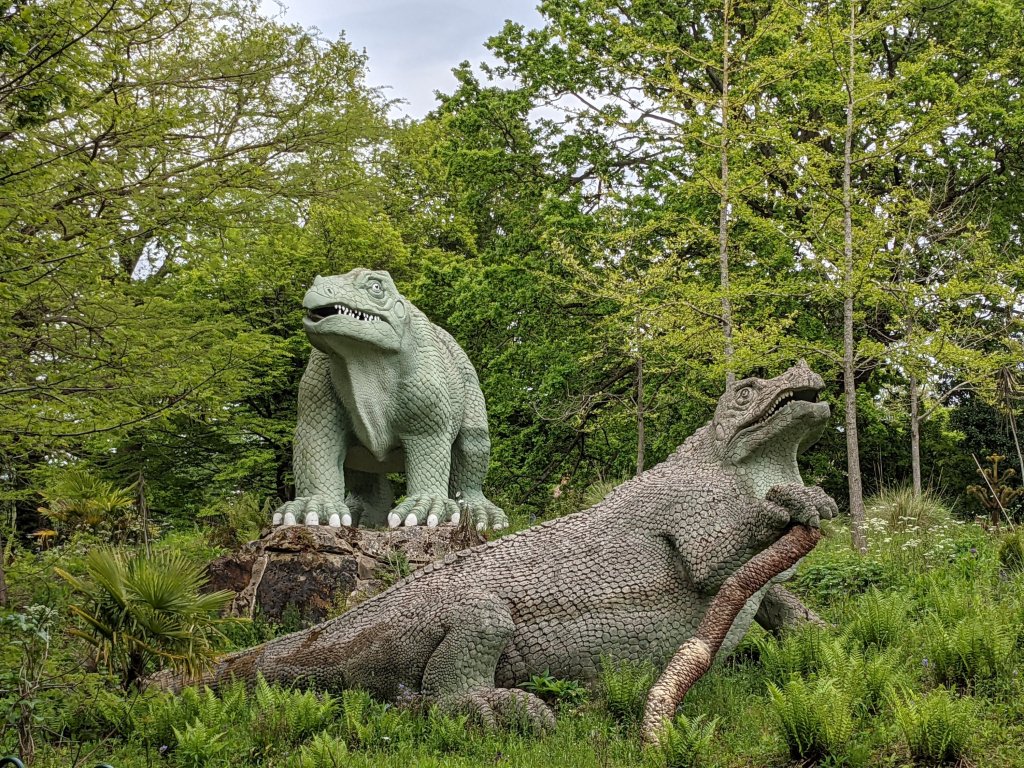
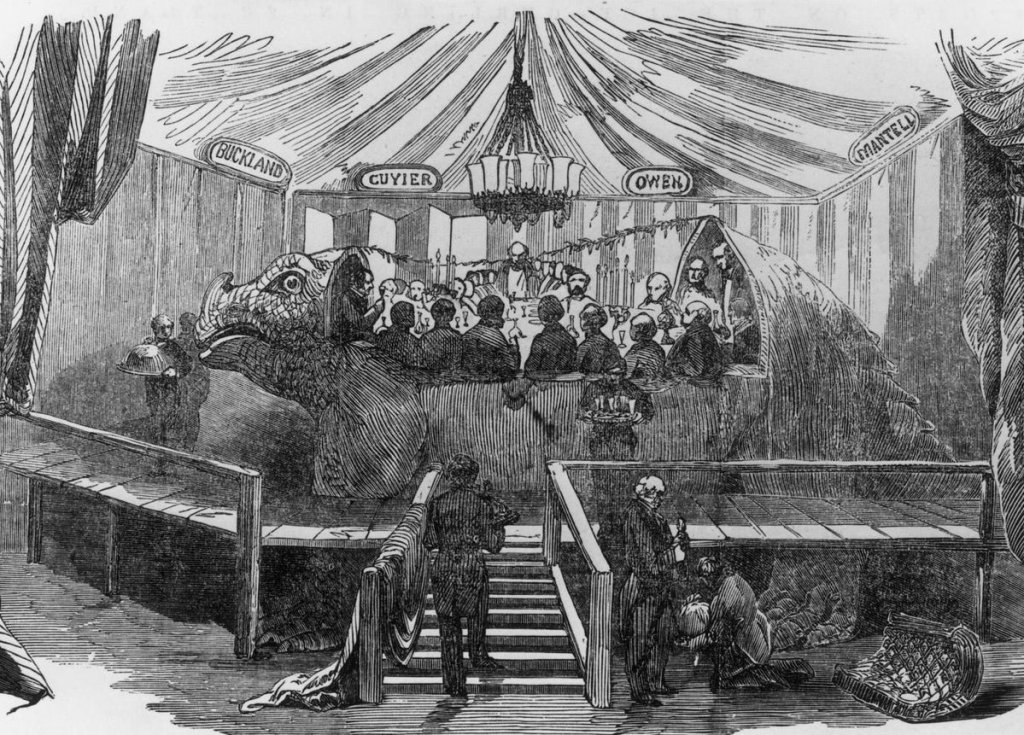
The dinosaurs (and other prehistoric animals) were built in Crystal Palace Park way back in the 1850s, to educate visitors about the then-new science of paleontology. The exhibition was hugely popular in its day, and is considered by some to be one of the first theme park attractions ever built. Queen Victoria and Prince Albert were both fans, and they attracted huge crowds at a time when dinosaurs were still a novel concept.
To my knowledge they’re the oldest dinosaur statues still standing (but please let me know if I’m wrong about this).They’re a fun throwback to a time when dinosaurs were just seen as huge, sluggish lizards – no Velociraptors here.
The Experience
The models reflect the science of their day – the mammals are fairly accurate, but the Iguanodon have their thumb bone on their snout like a horn, the Megalosaurus is a quadruped and the Hylaeosaurus looks like a giant chameleon. But I think that’s what makes them so charming. Trying to update or replace the statues with something more scientifically accurate would take away what makes them so unique.
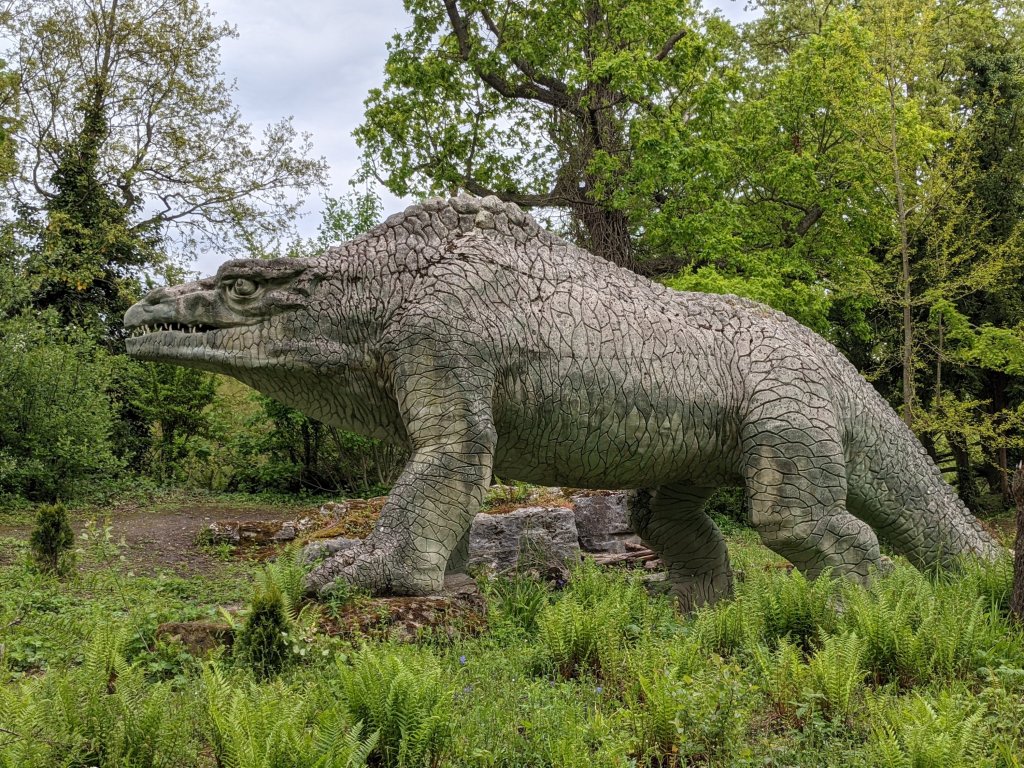
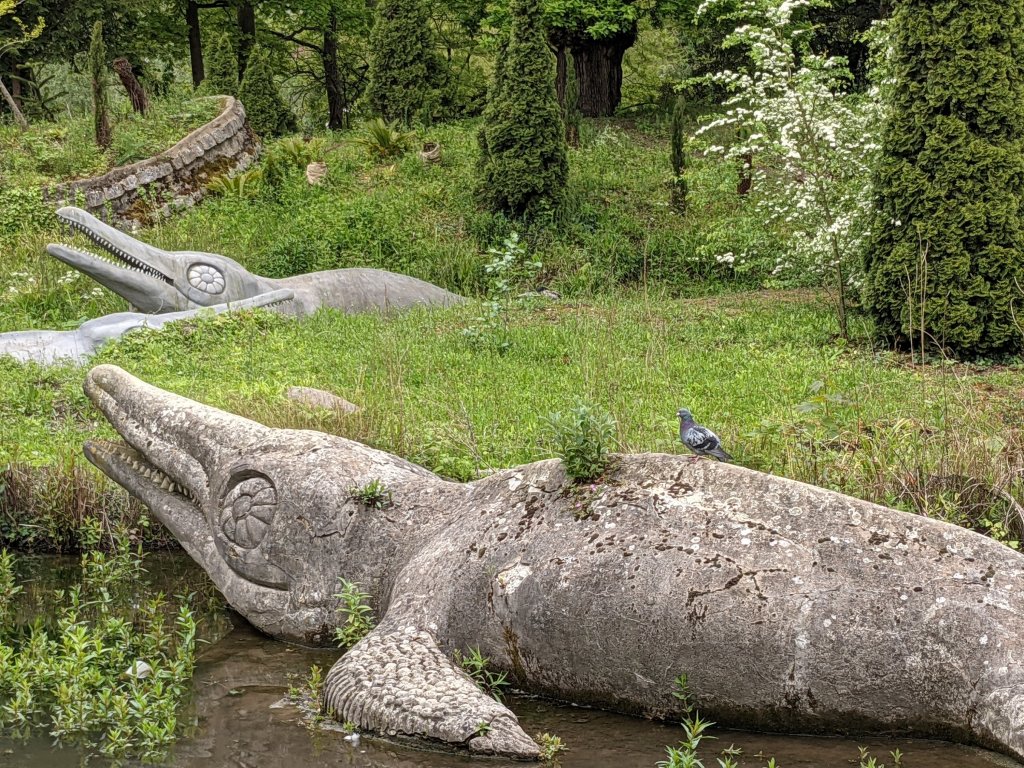
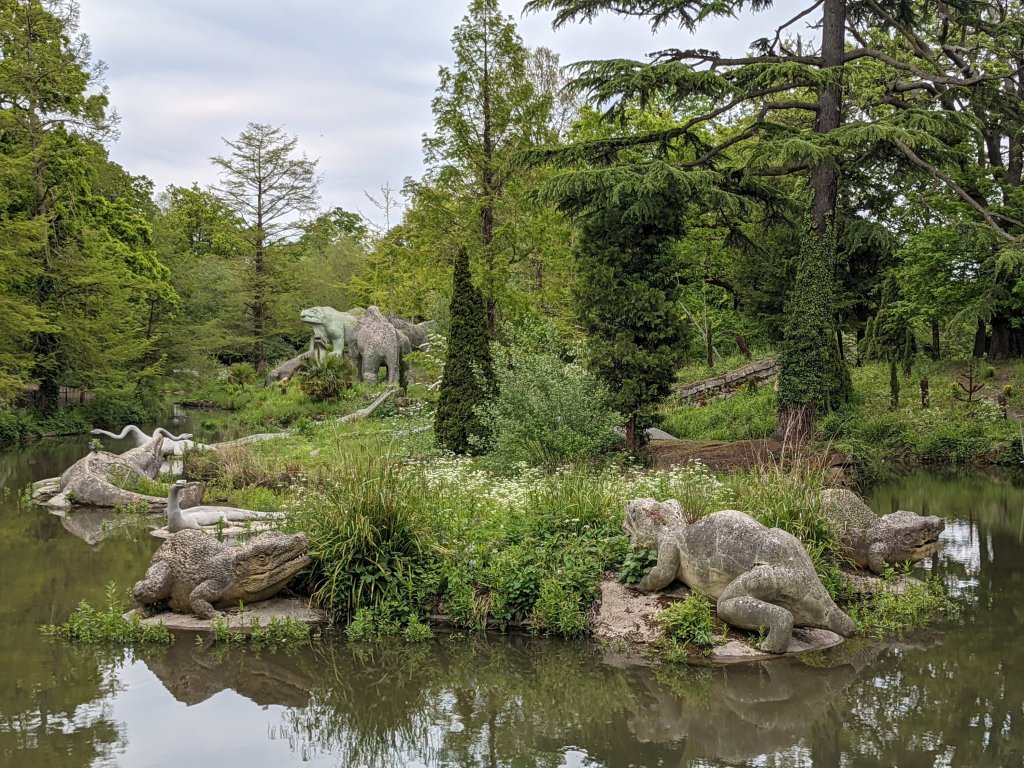
The park also features other prehistoric life, from both before and after the Mesozoic. The idea was to have an entire park full of all the prehistoric animals that were being discovered at the time, but sadly the budget ran out early on, so we only got the statues we have now. But they’re still great, I love them unconditionally.
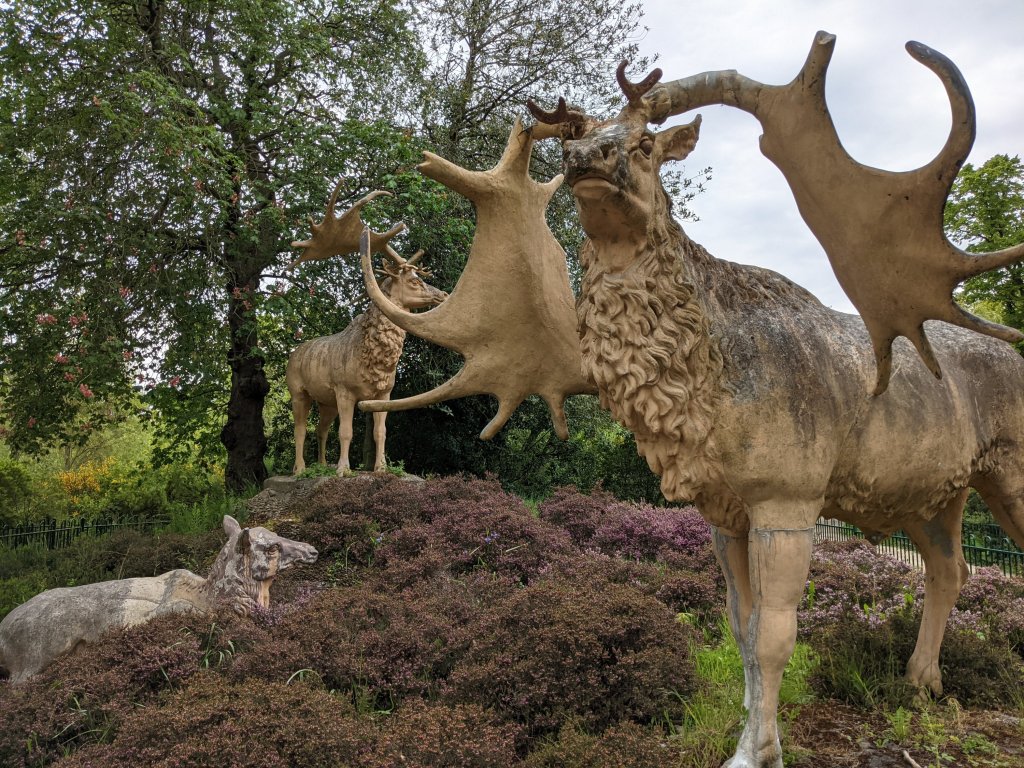
In addition to reptiles there’s also a few mammals, but unfortunately they’re not in as great a shape. One of the Megaloceros has a broken antler, and another small animal has had its head broken off entirely. The statues are Grade 1 listed, and have recently been added to a “Heritage at Risk” list. I hope they get fixed up soon because some of them aren’t looking great.
You’ll be pleased to find out that there is an organisation called “Friends of the Crystal Palace Dinosaurs”, which includes guitarist Slash among its benefactors and is working to preserve this little prehistoric menagerie. They recently raised money for and built a little bridge to connect the islands to the rest of the park, but I do wonder if they could have spent this money on sprucing up some of the other statues instead…?
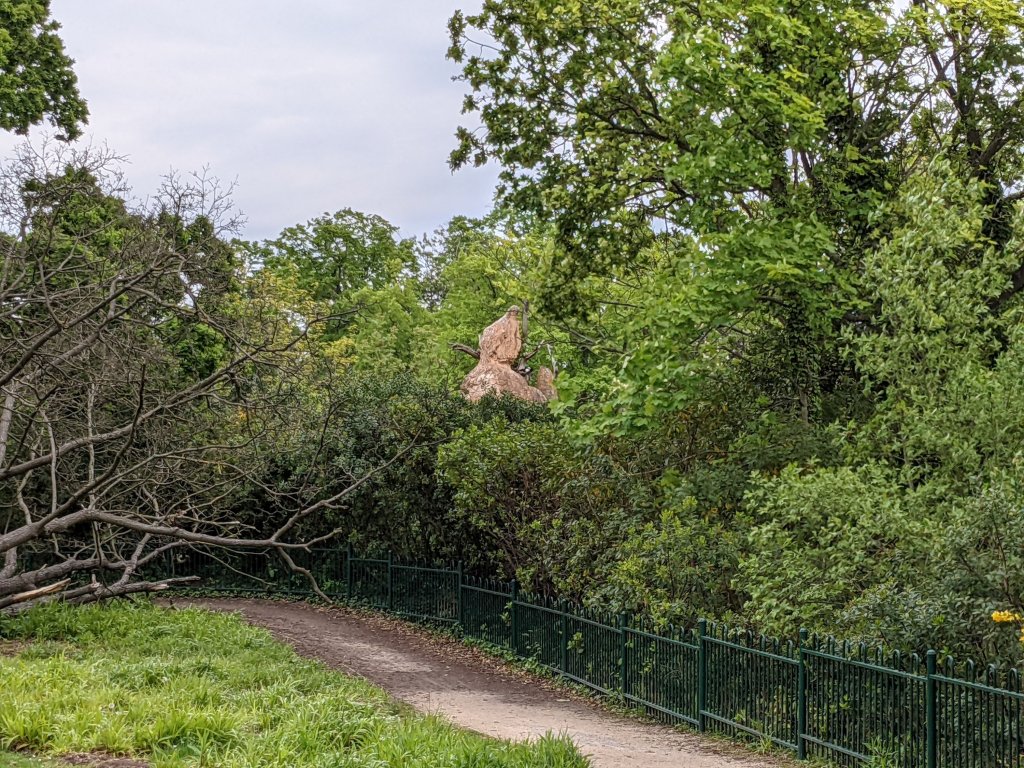
The actual dinosaur statues seem better taken care of, probably because they’re more famous. The Megalosaurus recently received an ’emergency face-lift’ after its snout broke off last year – a new one was quickly commissioned, and was attached only a few days before I visited.
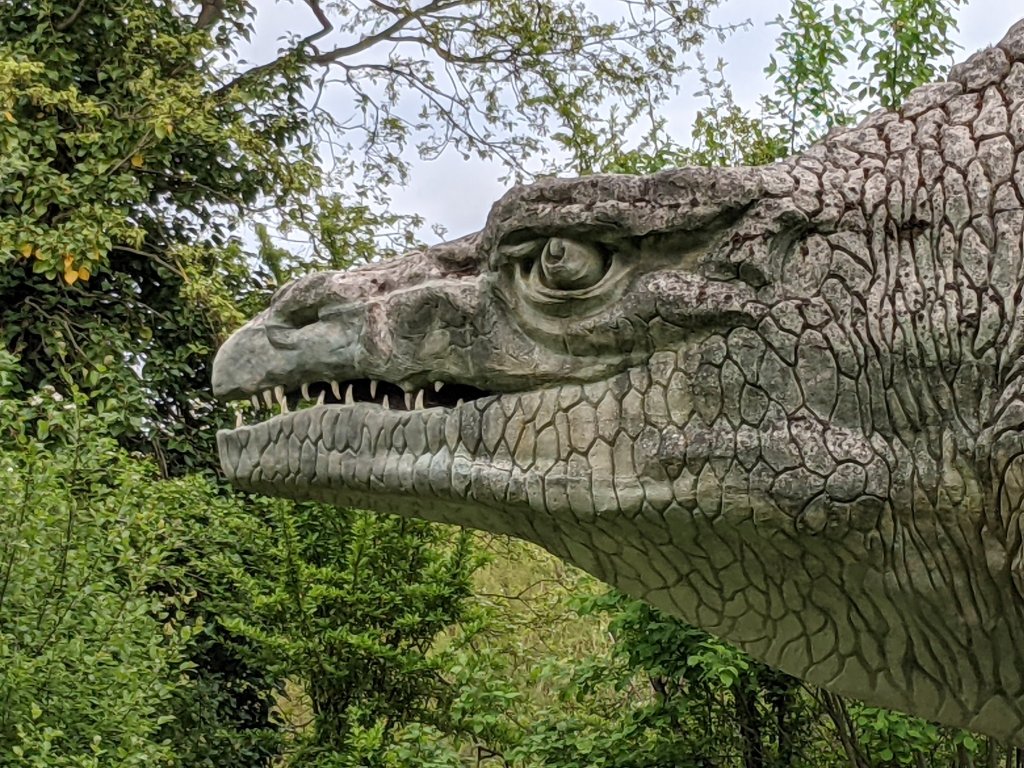
I hope the other statues get this same sort of treatment – a couple of them have had a fresh lick of paint, and I hope the whole bestiary gets this treatment.
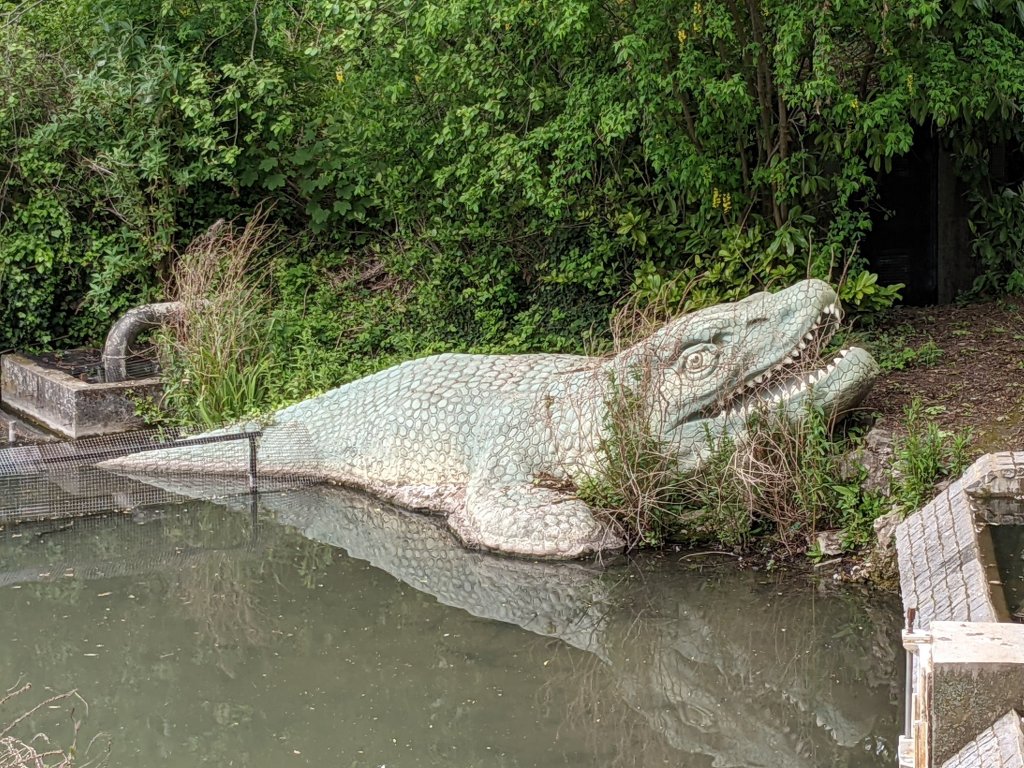
Visiting Crystal Palace Park is easy via the Overground, although it’s quite outside Central London. There’s a cafe near the lake, so you can sit down and sip a latte while observing these beauties.
They’re not a must-see attraction – if you’re in London for the first time I’d probably advise you stick to the centre instead of venturing this far out – but if you have a soft spot for dinosaurs like me then I’d strongly recommend the Crystal Palace Dinosaurs a visit of your own.
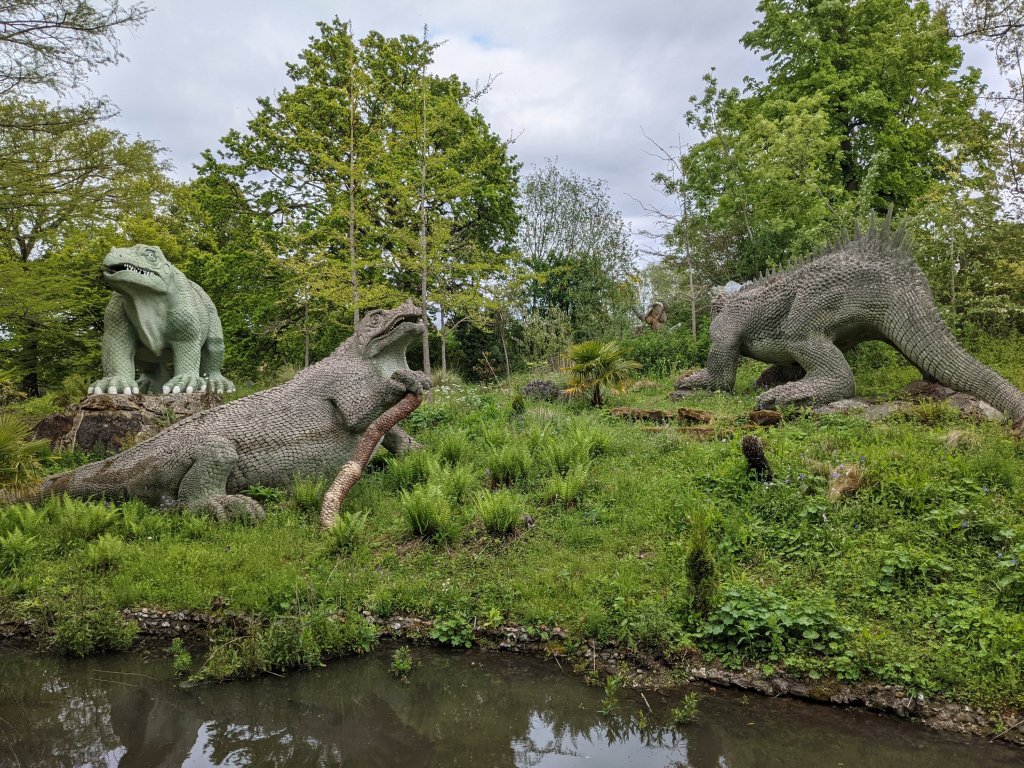
Helpful information
- Crystal Palace Park is quite far from central London, but can be accessed via the Overground network. Although there is a stop named ‘Crystal Palace’ I’d advise you to alight at ‘Penge West’ instead. This stop will let you start with the smaller Cenozoic models, then work your way up to the dinosaurs. Also it’s closer to the park cafe and toilets.
- The park is free to enter and is open from dawn to dusk – I tend to visit them in the evening, after whatever else I was doing has closed for the day.
- There is an audio guide you can download on your smart phone here, which provides some fun context on why the statues were built.
- There are also some signs that explains a bit of history behind the animals, and some info on what they actually would have looked like in real life.

 ☕🐸Coffee Frog Travel Blog🐸☕
Leave a comment