Context!
Mostly famous these days from a quote by someone else, David Livingstone was a Victorian Christian missionary who made several expeditions into Central Africa, recording the horrors of the slave trade there. He did help to pressure the British Empire into curtailing the Arab slavers in the region, and he was the first European to see the astonishing Victoria Falls (as he renamed them), but unfortunately his reports of atrocities in the region were later used to justify the Scramble for Africa. So his legacy today is… mixed. Also at one point he nearly got killed by a lion.
Born outside of Glasgow, David Livingstone’s birthplace has been a museum about his exciting life for nearly a century. Mostly intrigued by photos of the impressive statue that sits outside the building, I took the train down to have a look.
The Experience
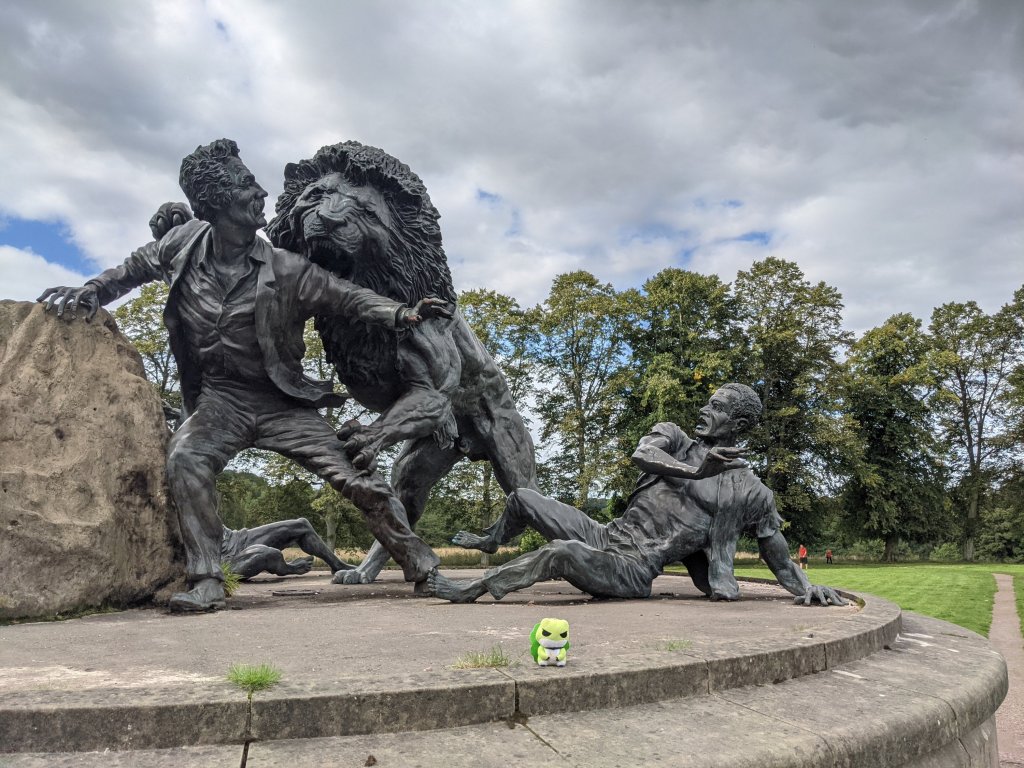
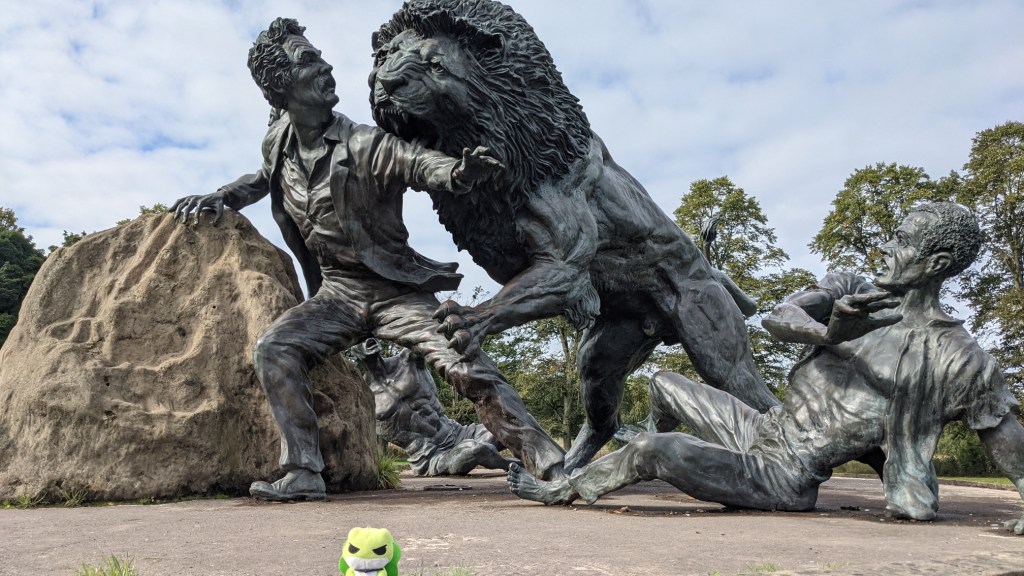
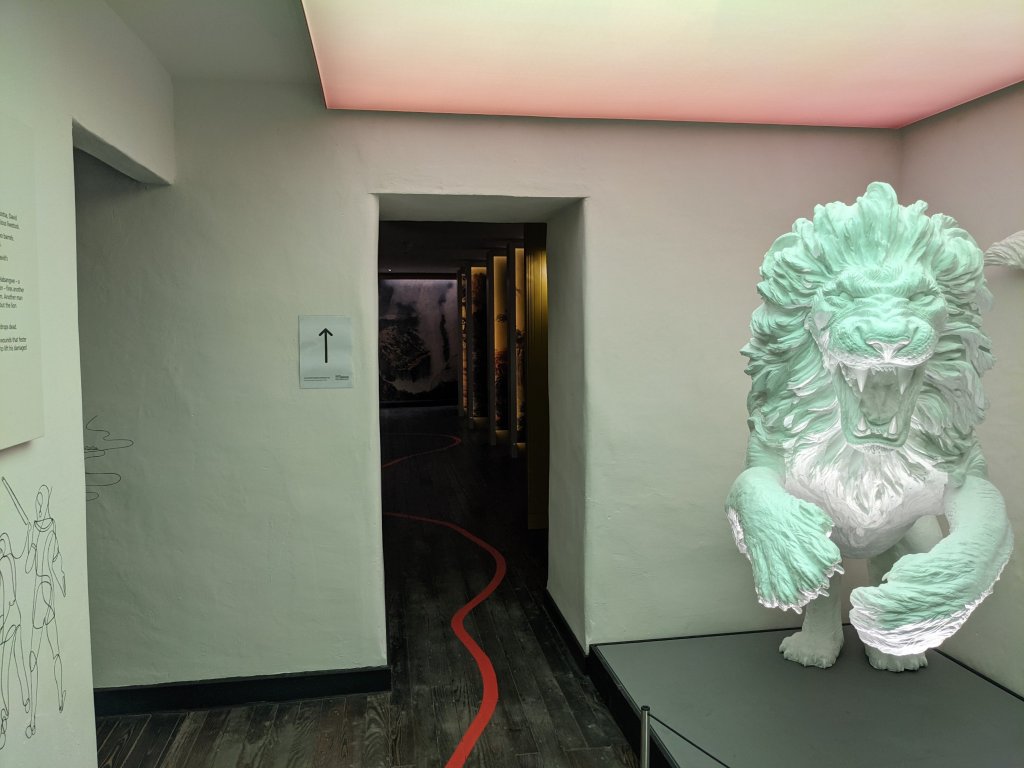
The museum is a few miles outside the city centre – I took a train from Glasgow Central to the little town of Blantyre. From here it’s a short walk to the museum grounds – and the first thing you’ll see is the manliest statue ever built. The event depicted actually happened – Livingstone survived, but only just, and he couldn’t rise his arm above his shoulder after being mauled.
Reading the signage, I find it interesting that the statue a) is actually only about twenty years old and b) designed by… Hollywood special effects god Ray Harryhausen!?
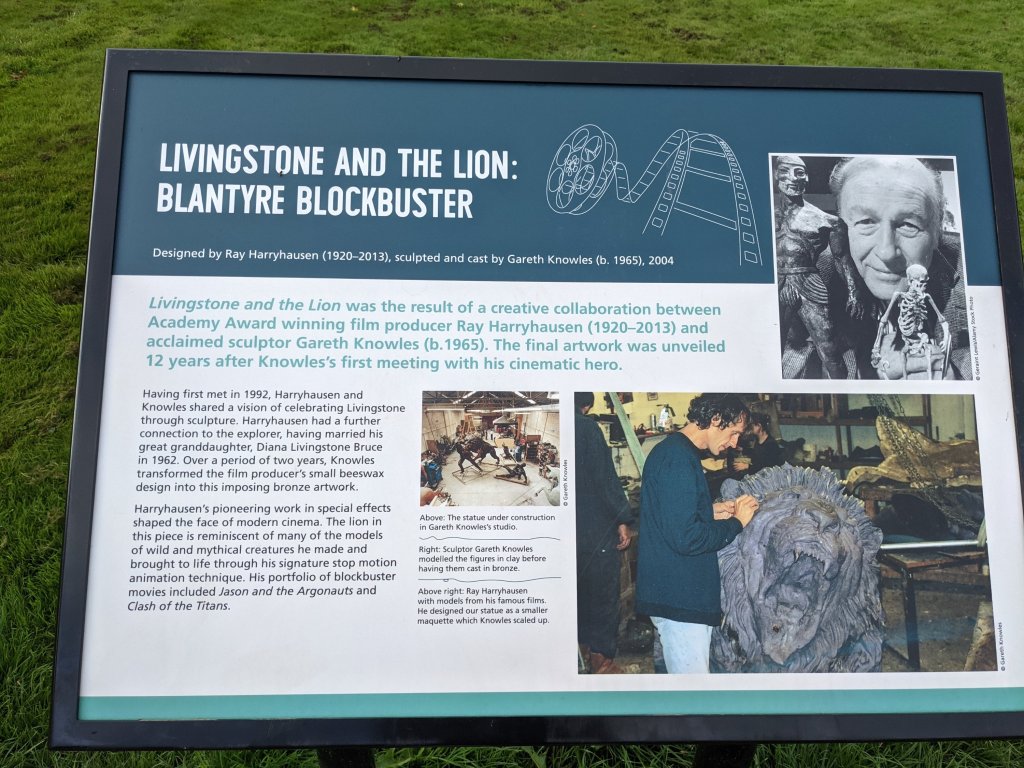
I’m a huge fan of his work- Jason and the Argonauts was my favourite film as a kid- and I was planning to visit an exhibition on his life later on in the trip, so this was a really cool surprise. It really is his style too – dramatic and reminiscent of the stop motion creatures he brought to life!
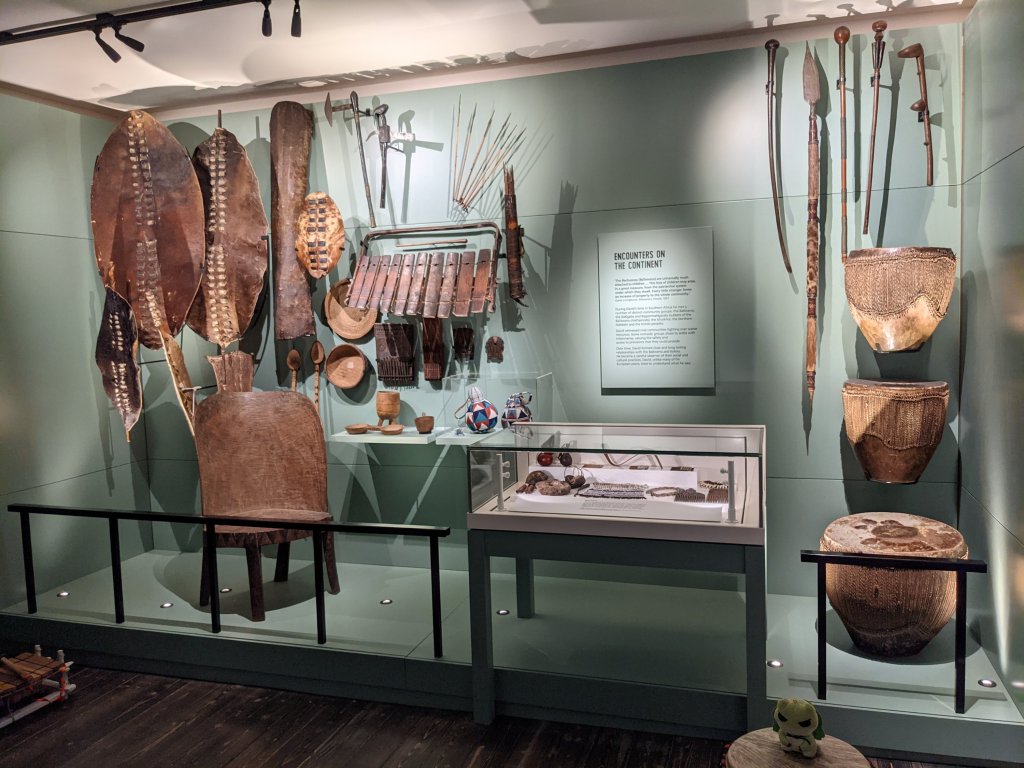
The lion’s share (ha) of the museum itself is based on two floors – the upper floor covering Livingstone’s upbringing and motivations for missionary work, and the larger lower floor covering his extensive trips to Africa up until (spoiler warning) his death from malaria in 1873.
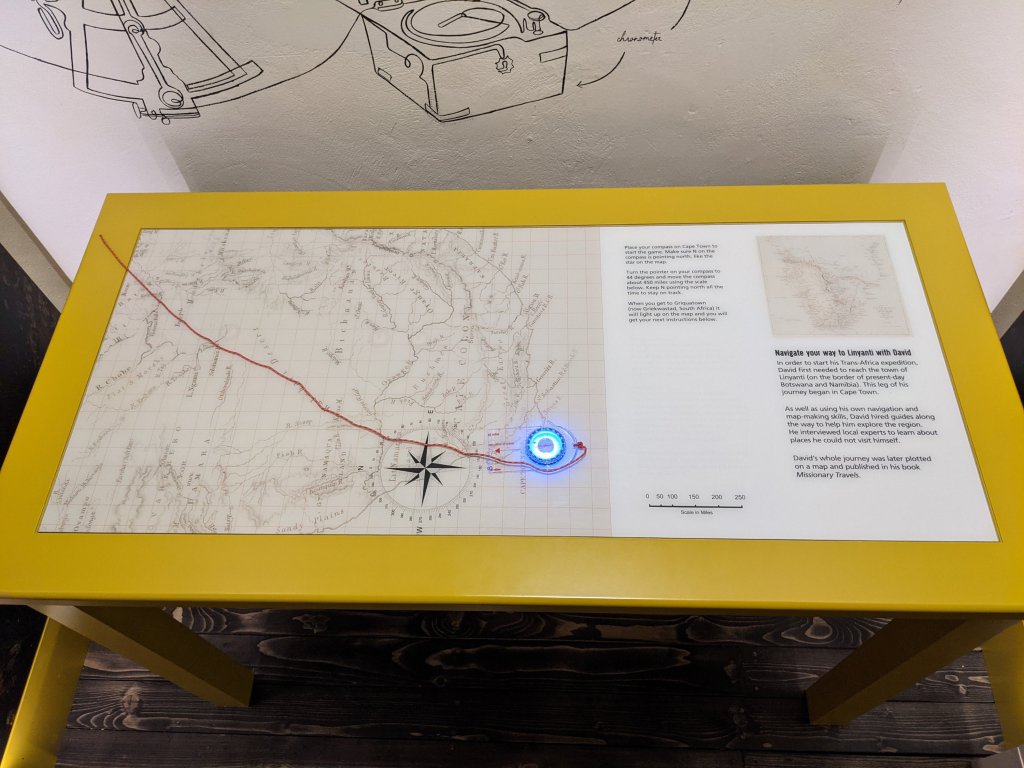
I was worried that the exhibits would be fairly dull, but the museum curators have cleverly interspersed things with genuinely fun interactive activities. They’re not just touchscreens or objects to touch, but full on games – one had me pointing a fake sextant at a picture of a night sky to try and discern my location. Another had me following directions with a compass on a map, which lit up when I’d got it right and revealed further instructions on what to do next. It’s really original stuff – I don’t know if young children would have the patience for it, but personally I loved it 😁
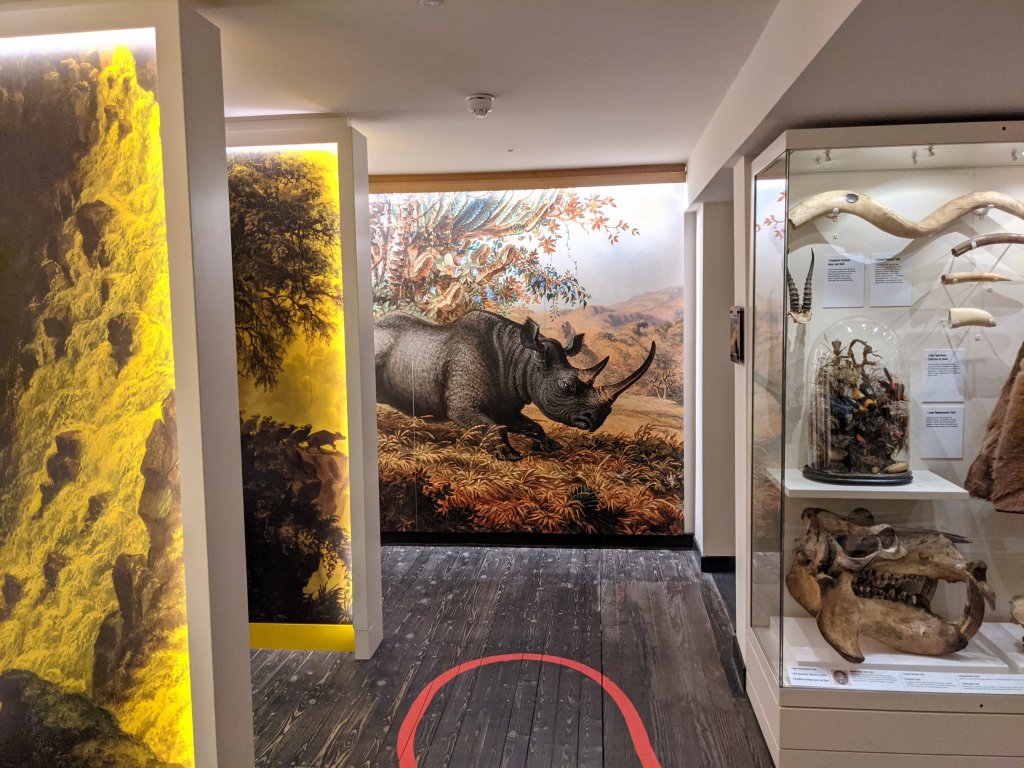
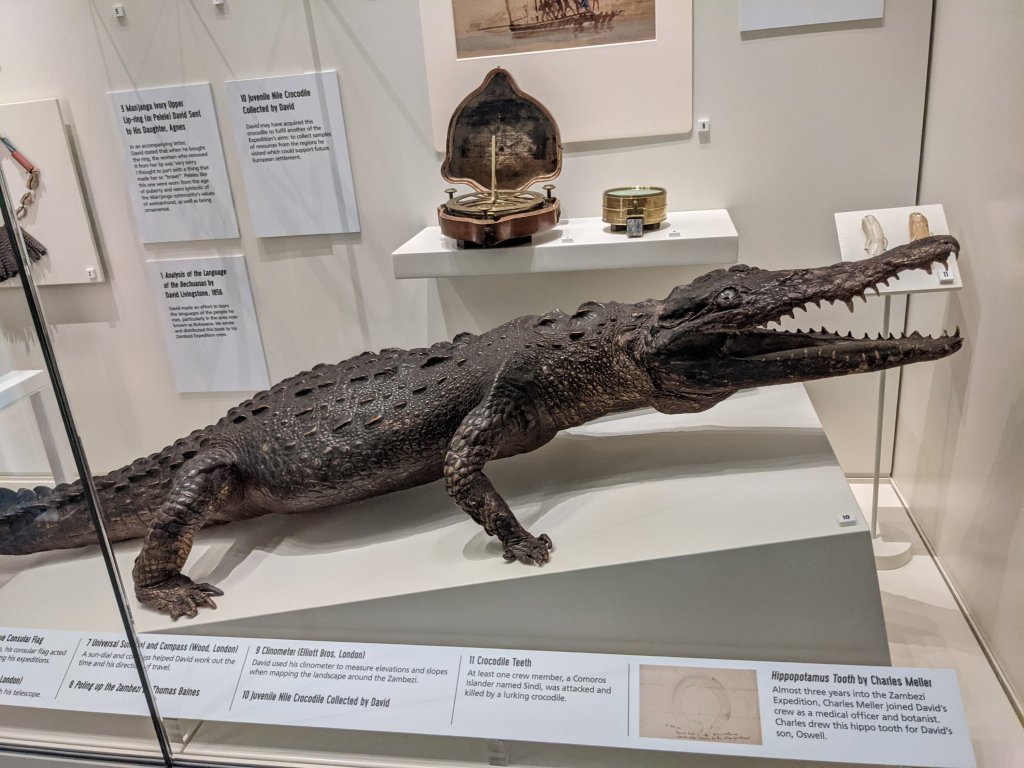
Another thing that surprised me was the lack of taxidermied African wildlife. I’d been expecting the standard display of stuffed zebras, rhinos et al. but there’s actually very little of this in the museum. The closest I found was a crocodile that Livingstone himself apparently shot and brought back to Scotland. The focus is more on objects Livingstone and his crew used, like guns, bibles and his magic lantern.
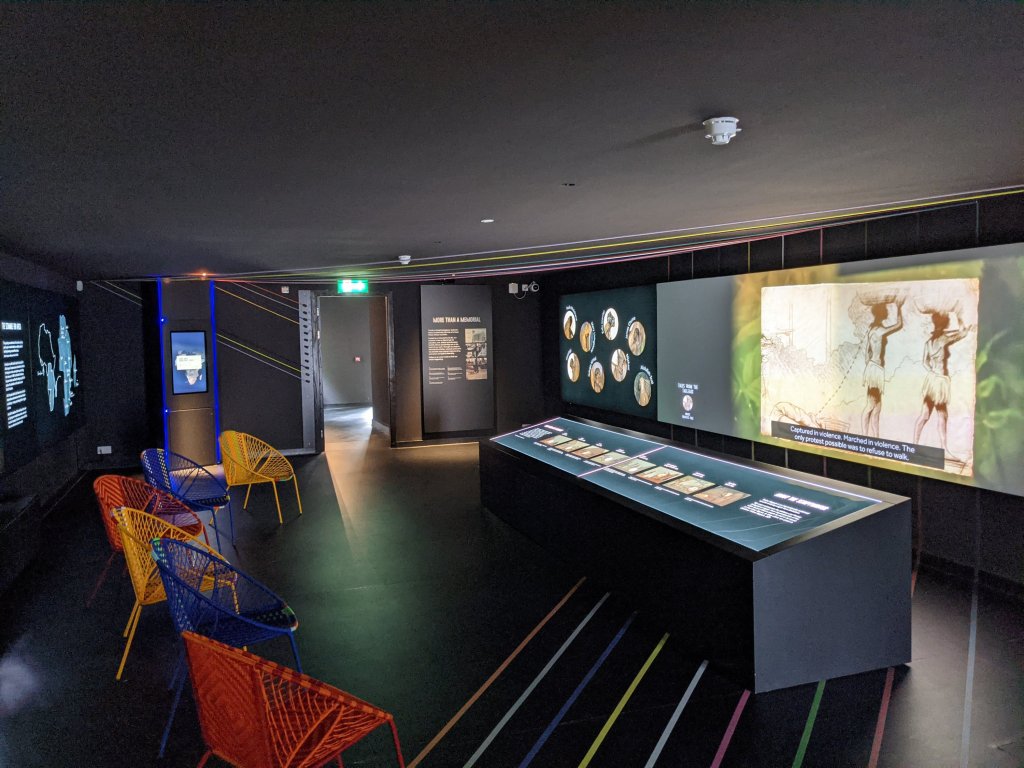
The highlight of the museum is the final section, which focuses on Livingstone’s legacy. A row of friezes dating back to the 1920s are on display here – only now, instead of being treated as accurate depictions of Livingstone’s life, they’re used to demonstrate the patronising way black Africans were treated.
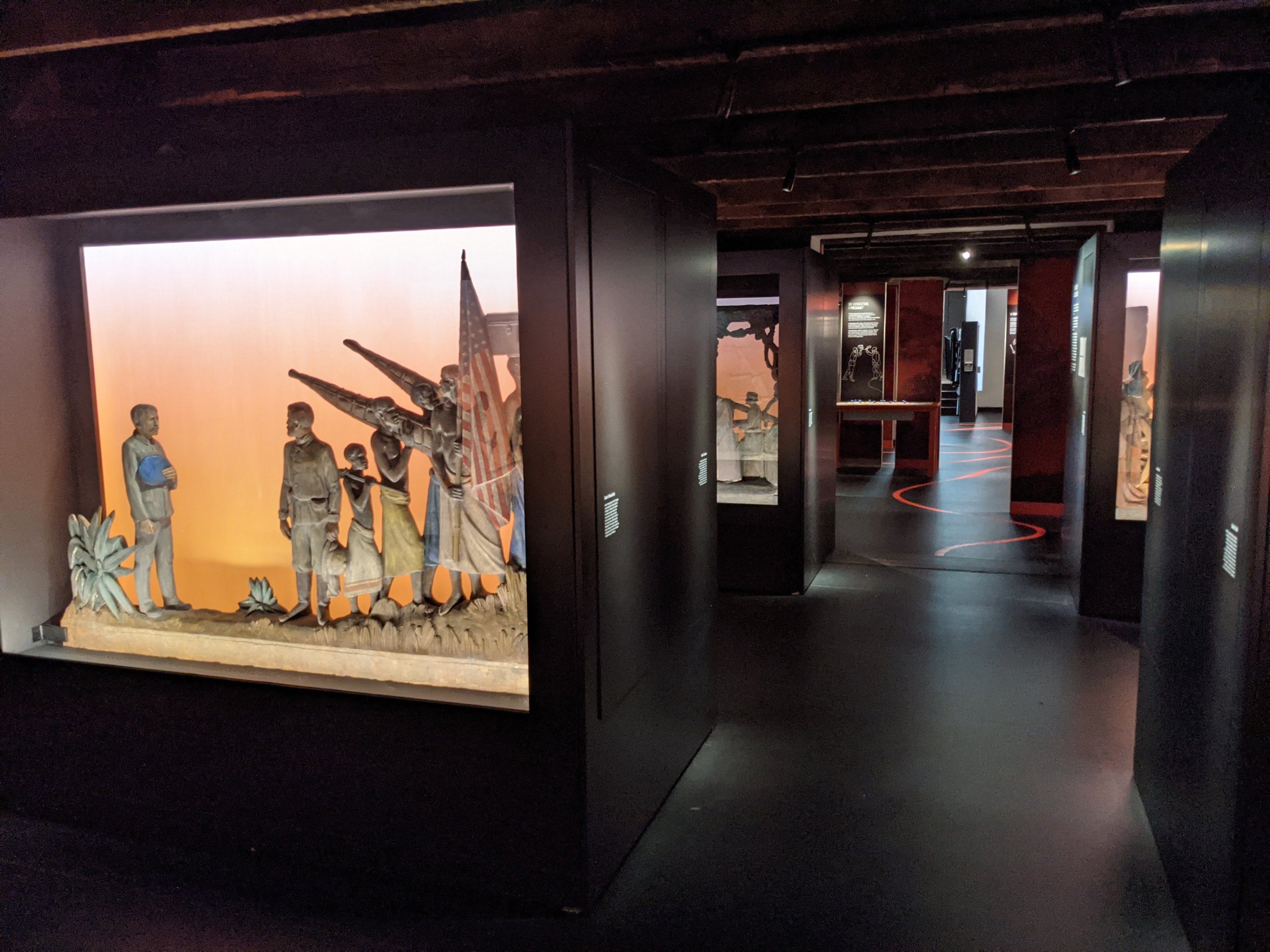
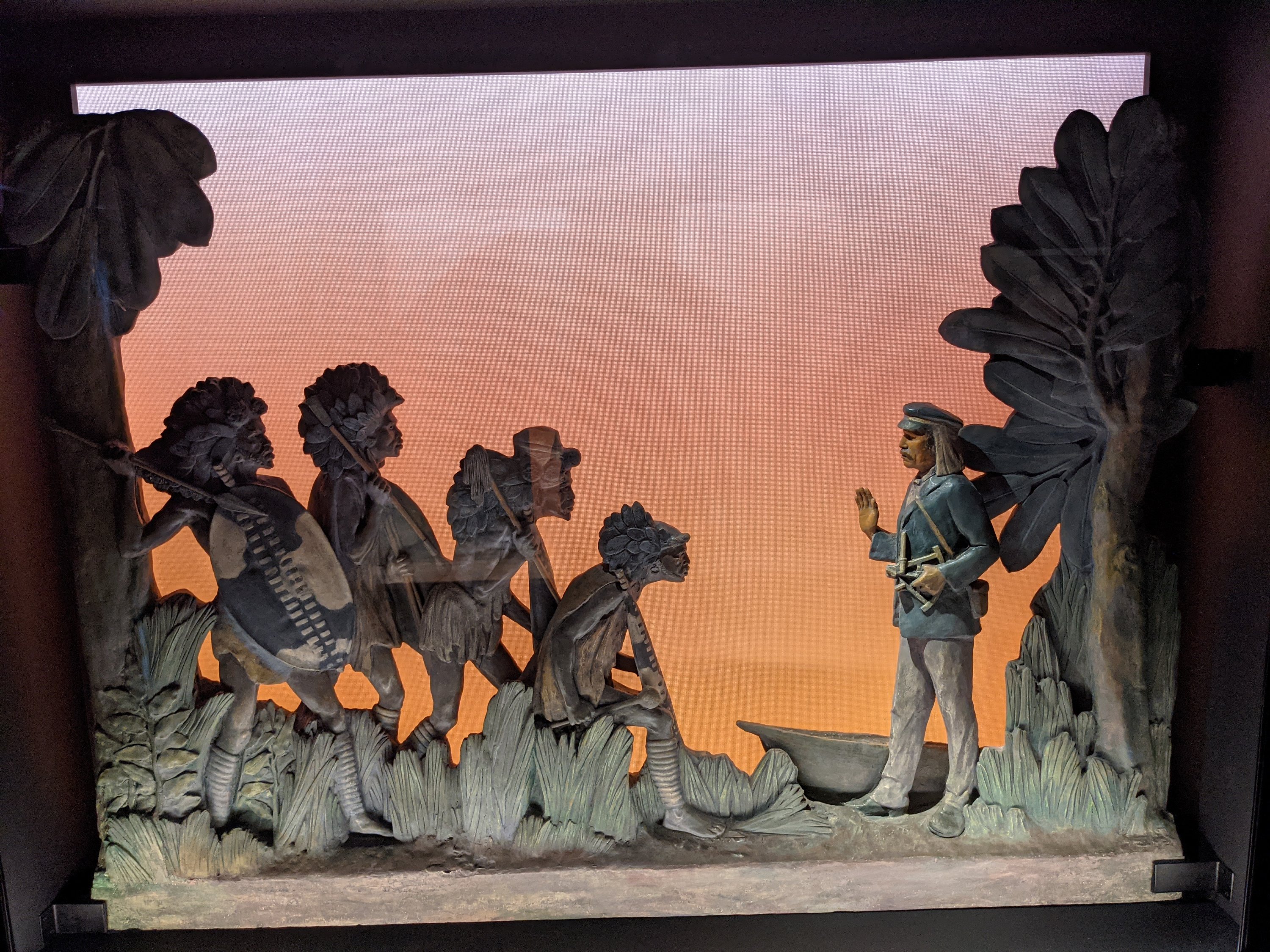
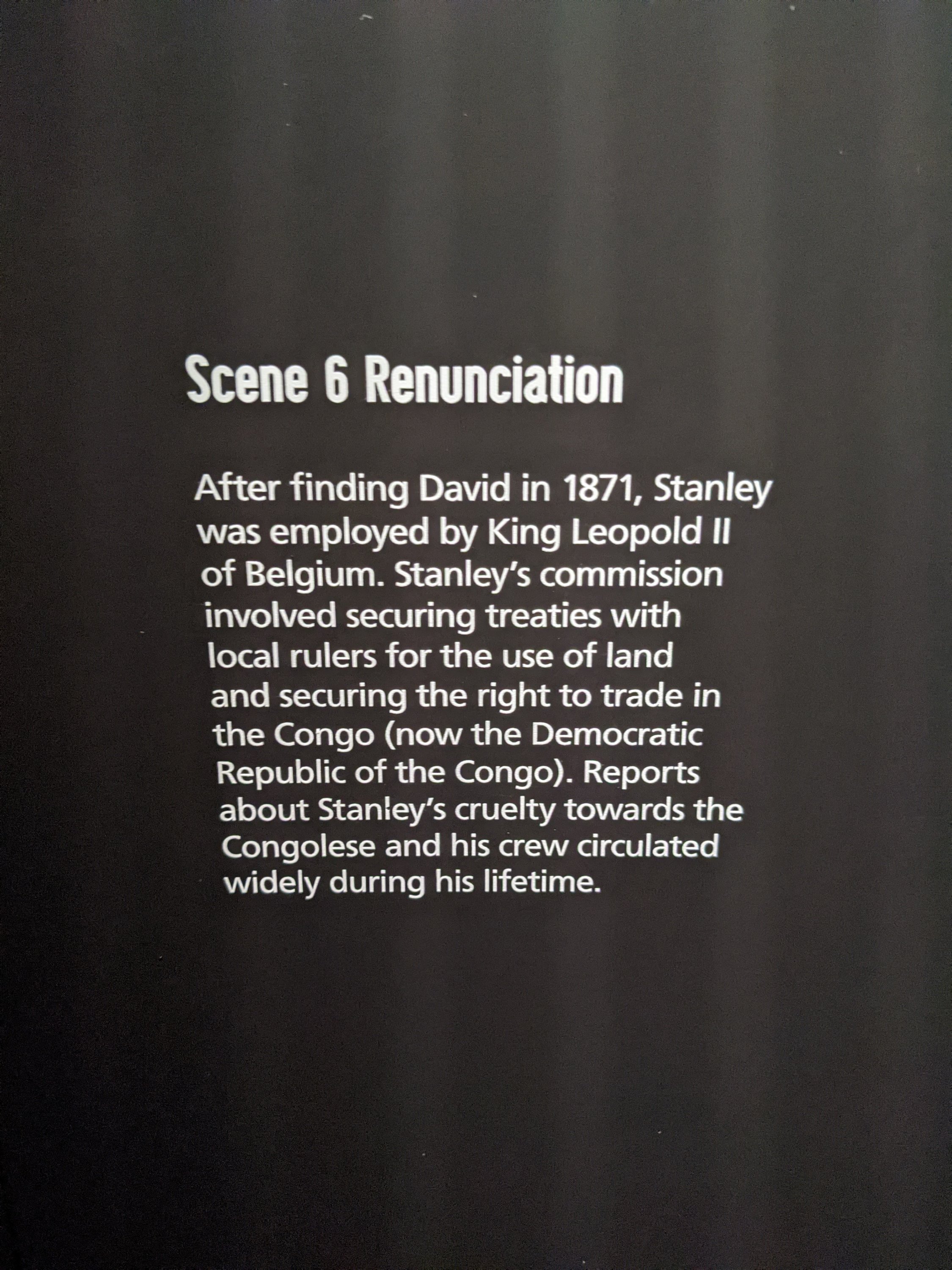
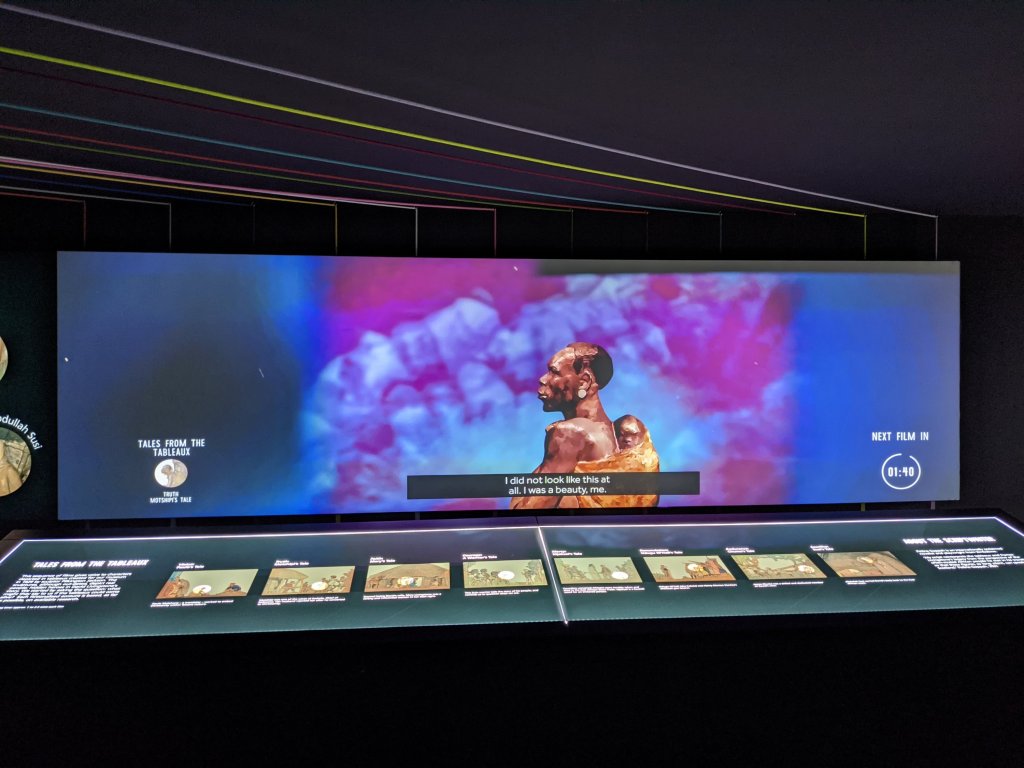
Down a flight of stairs is the museum’s final room – no artifacts are here, but there’s a thought provoking presentation authored by a Zimbabwean poet, trying to bring to life the unnamed black figures in these friezes by suggesting what they might have really thought of Livingstone. For example, the wife of a chief complains that Livingstone’s Christian morals had destroyed their society’s polygamous family dynamic, causing all sorts of problems even after he left.
It feels a bit like the museum is preempting criticism from decolonisation movements by providing a space for African perspectives on Livingstone, which I suppose I commend them for. I sat for a while and watched various Africans basically rip into the famous missionary from beyond the grave.
After this, the museum ends – a path leads up to the café and small gift shop. I had a quick look at the globe fountain (pretty cool) then walked out to get the train back to Glasgow. It took me about 90 minutes to get through the entire thing.
How was it?
The David Livingstone Birthplace Museum is much more modern that I’d expected. I’d expected an old, perhaps charming but still dated place with some apologetic signs promising to better acknowledge Livingstone’s impact on Africans in the future.
The museum is happy to address awkward questions about Livingstone’s legacy, but I think overall its narrative of the man is a sympathetic one. He’s portrayed as a person who genuinely did want to help the people of Africa, someone who took time to understand the societies he encountered and helped to pressure the British Empire into stopping the Arab slave trade that was blighting the continent.
David Livingstone’s rise from a mill worker, to a missionary, to an adventurer who campaigned against slavery (even if his actual impact on the slave trade was a bit limited) is still inspiring today. I’d really suggest checking out the David Livingstone Birthplace Museum. They spent all that money refurbishing it! It’d be rude not to.
RATING: 4 really hungry lions out of 5
🦁🦁🦁🦁
Helpful Information
- Entry is £7.50 at time of writing – concession discounts are available though
- There’s toilets (very clean😊) but no specific gender neutral ones.
- Despite the age of the building, there’s disabled ramps/lifts for those who need them.
- The train takes about twenty minutes from central Glasgow and is really cheap – about £3 for a return. Trains are frequent.
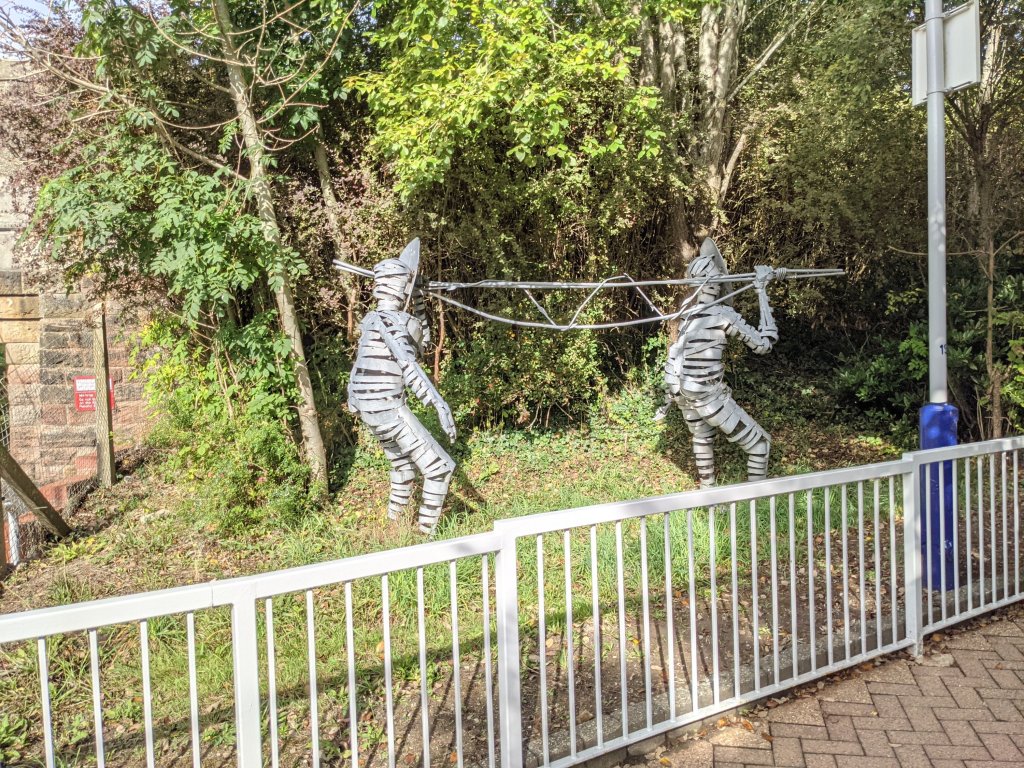
- The path from Blantyre station to the museum is marked by a statue of two Africans – follow the direction they’re walking in and you’ll reach the museum pretty quickly.

 ☕🐸Coffee Frog Travel Blog🐸☕
Leave a comment