Context!
At last! Eight months after I started this blog, and after covering places in London, Scotland and the East Midlands, I’m finally able to talk about something international. I’m currently writing this in the lovely country of Bulgaria, where I’ll be staying with a good friend of mine for a few days 🇧🇬
We don’t have a particularly strict itinerary, but today we found ourselves in central Plovdiv, so we had a look around the city’s Natural History Museum. Opened in 1974, I’d expected a retro throwback to the Communist era, but we actually found a place with surprising depth. And a shark. But more on that later.
What it’s like
Plovdiv Natural History Museum looks very small from the outside – indeed we were in and out in half an hour. Entry is only a few Levs and there’s a student discount if you have your ID with you. We arrived at 4pm so we basically had the palace to ourselves.
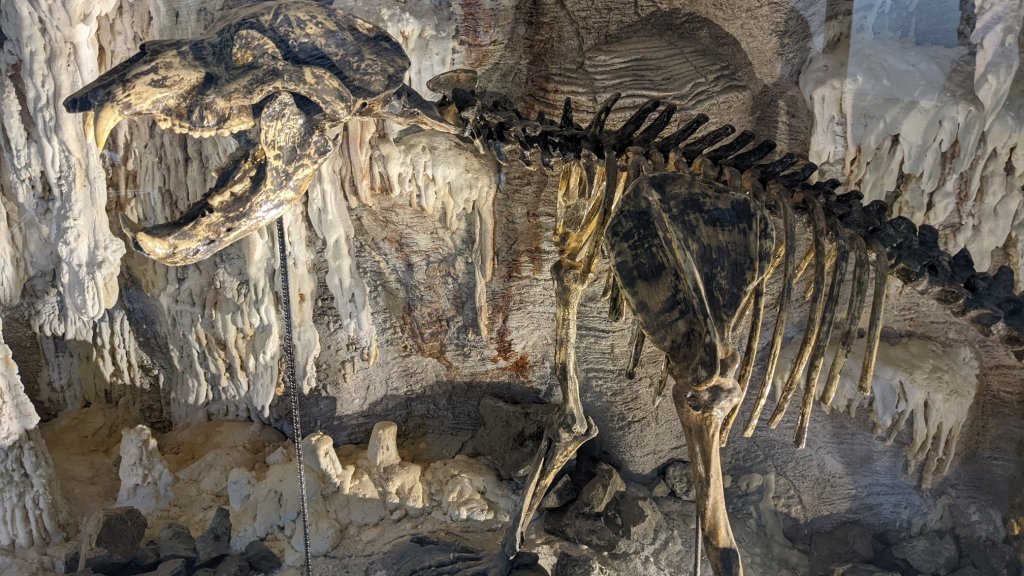
Things kick off strong with the imposing remains of a cave bear. Found in 2012, the monstrous ursine is actually the only mounted prehistoric skeleton in the building – there’s a few other fossils here and there, but it’s strange for a natural history museum not to have any dinosaur skeletons at all.
The next room has a little planetarium – which we arrived too late to try unfortunately – and an array of crystals which I’m sure is fascinating if you have a better knowledge of geology than I do. After this there’s a pretty dry room about plants, which normally wouldn’t be worth mentioning except for… a strange door on the side of a corridor?
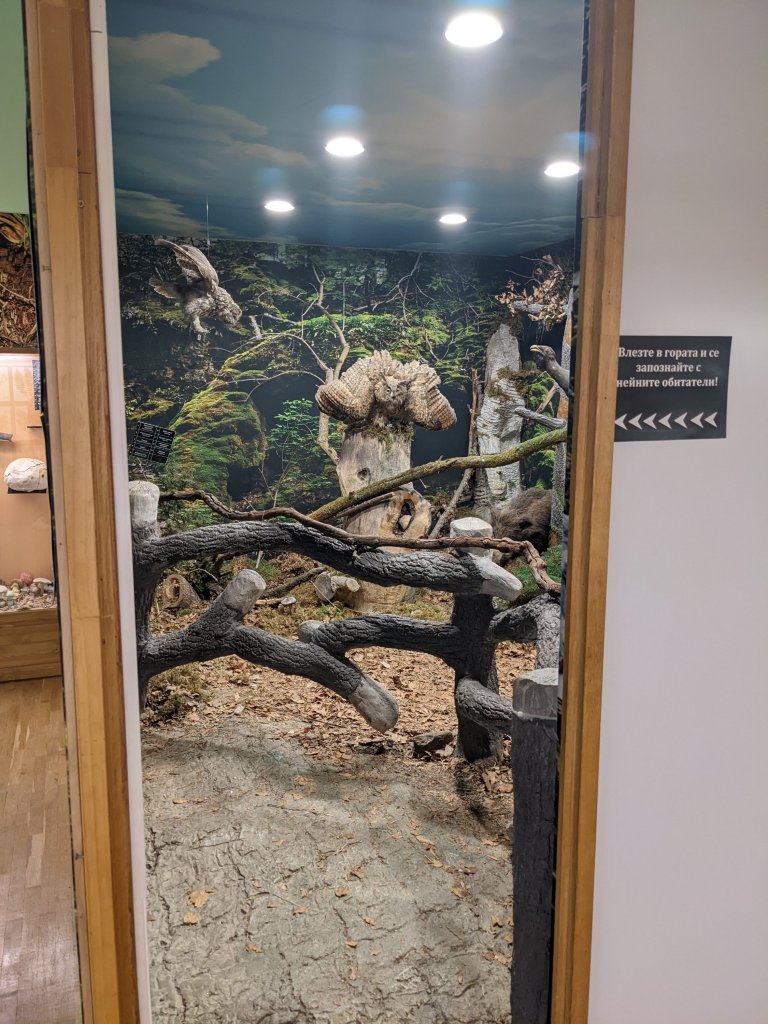
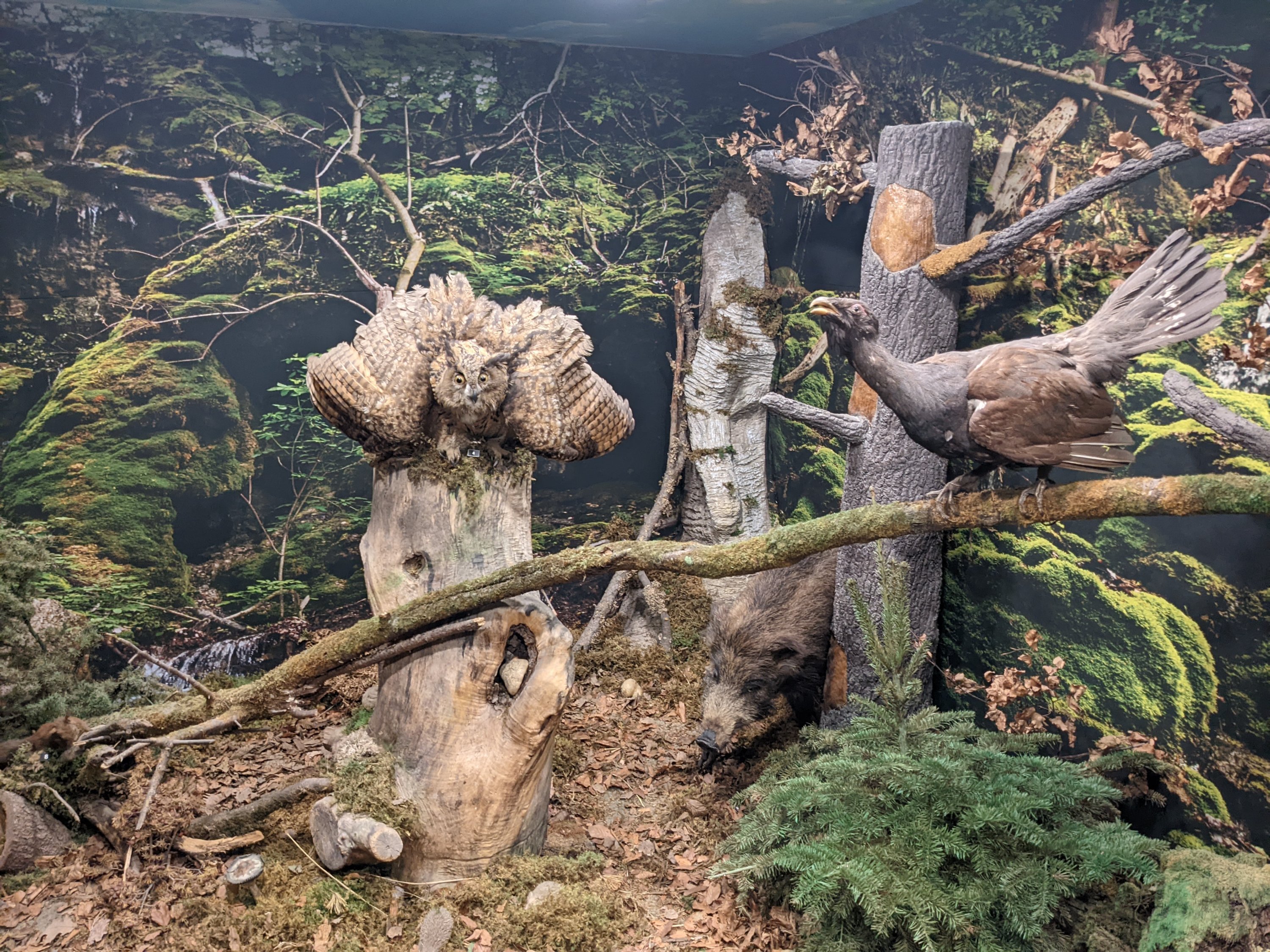
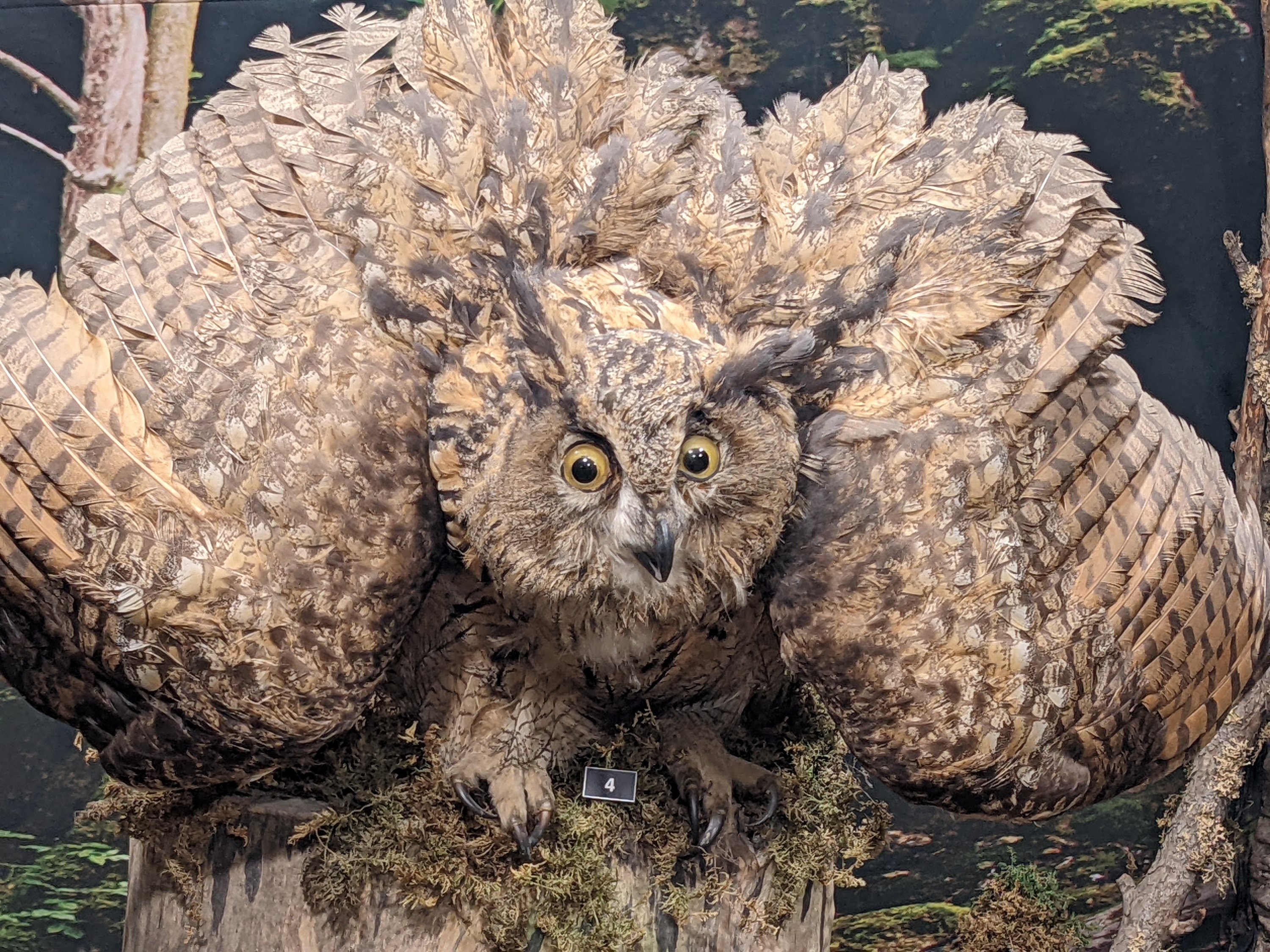
In this tiny room, on a raised platform for some reason, is a little diorama showing Bulgarian wildlife, including a very intense eagle owl. I do love the idea of a hidden little room for kids to find.
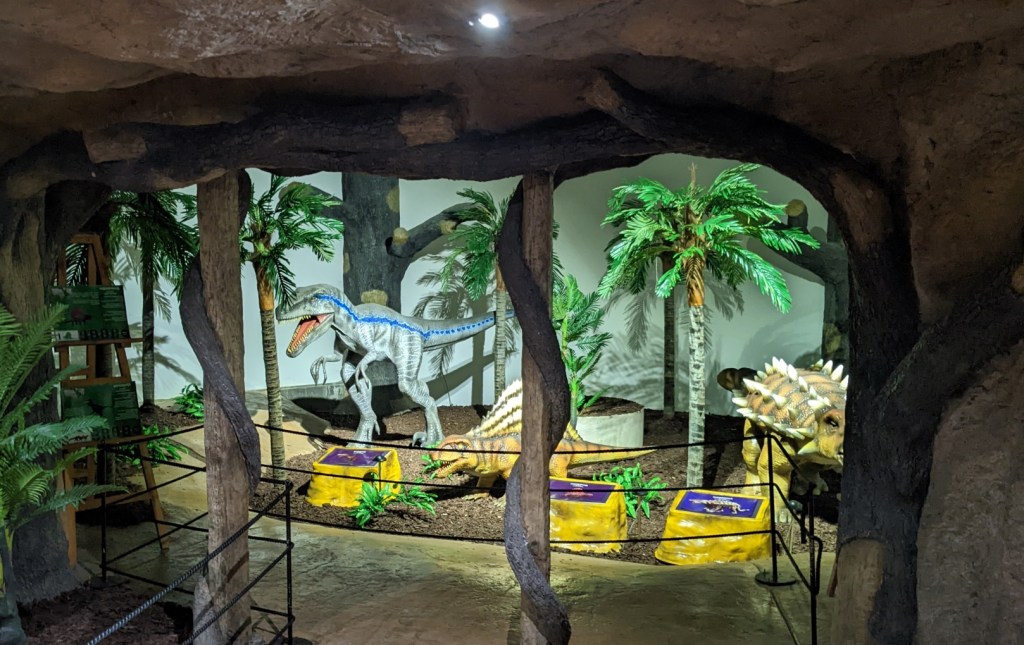
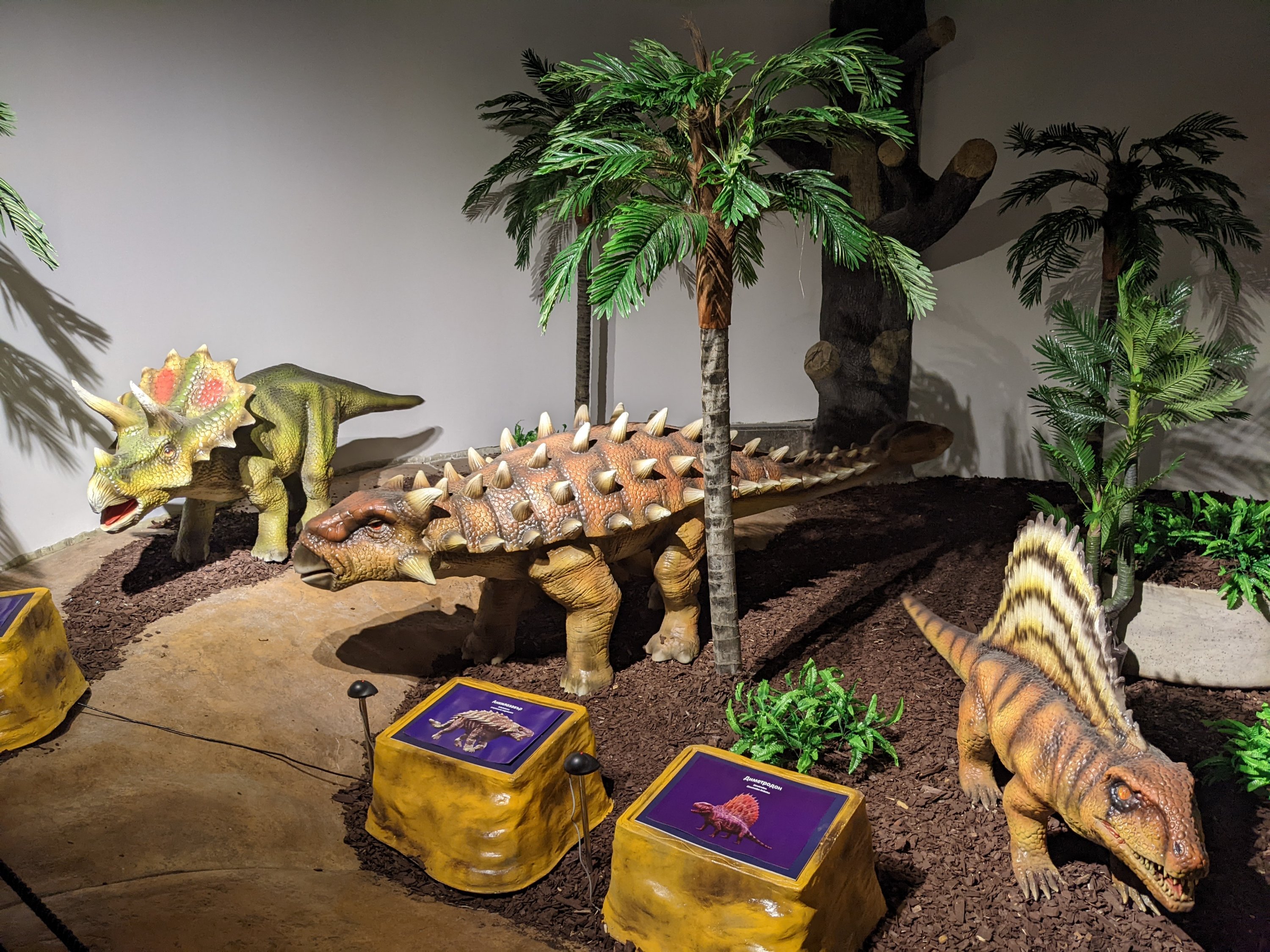
Down the corridor was another surprise I hadn’t expected. The timing of our visit has meant that I’m constantly checking the news about Covid restrictions, making it a less than ideal time to leave the UK, but it did mean that I got to catch this: a dinosaur exhibition, which had its grand opening just last week.
In truth it’s nothing crazy – if I’d been expecting them I would have been disappointed. They’re just five prehistoric creatures moving around in a fake cave – but I suppose it’s the thought that counts. They’re not exactly Disneyland quality robots but I guarantee the local children will love them. I’m not exactly the target audience here.
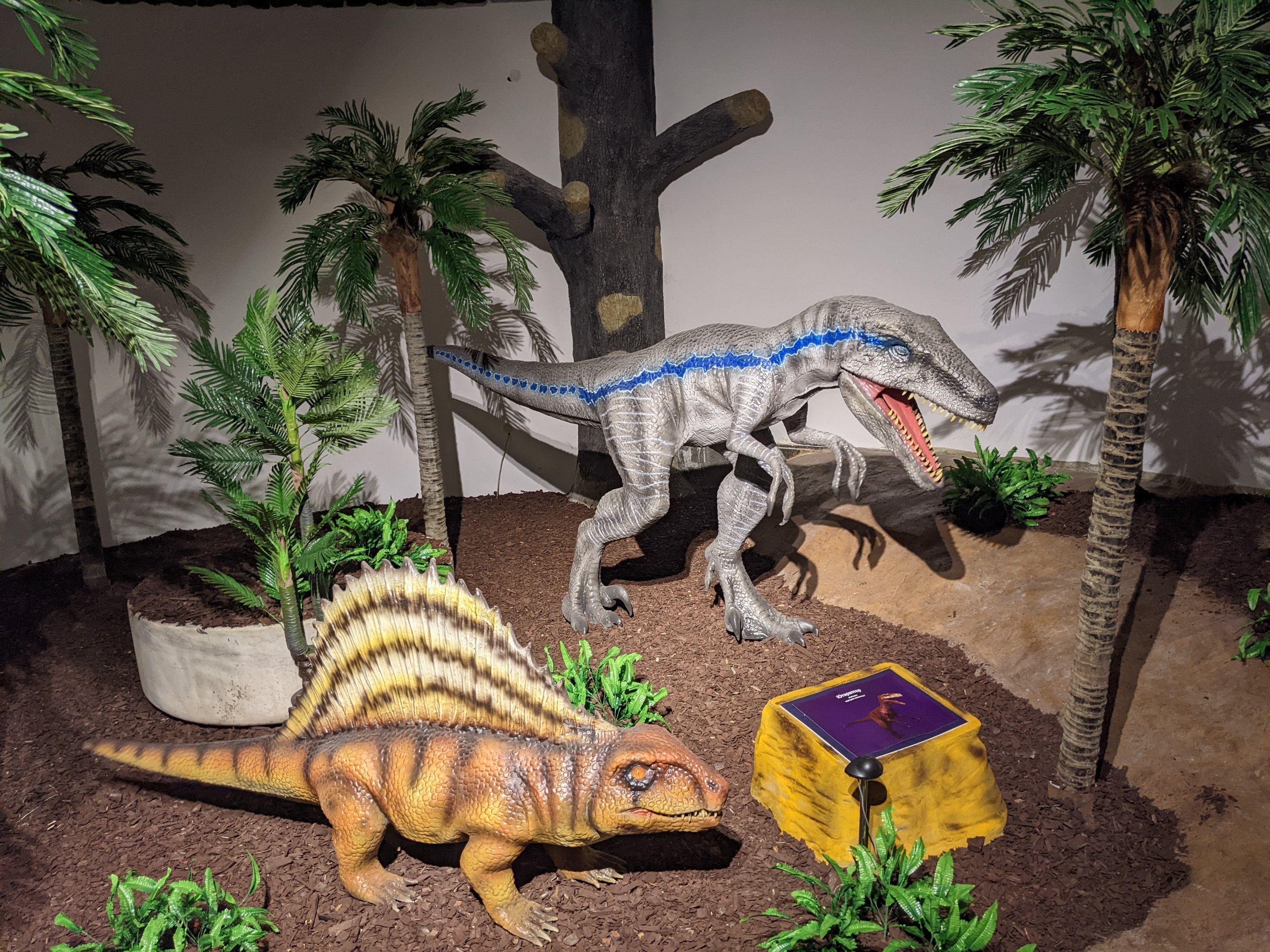
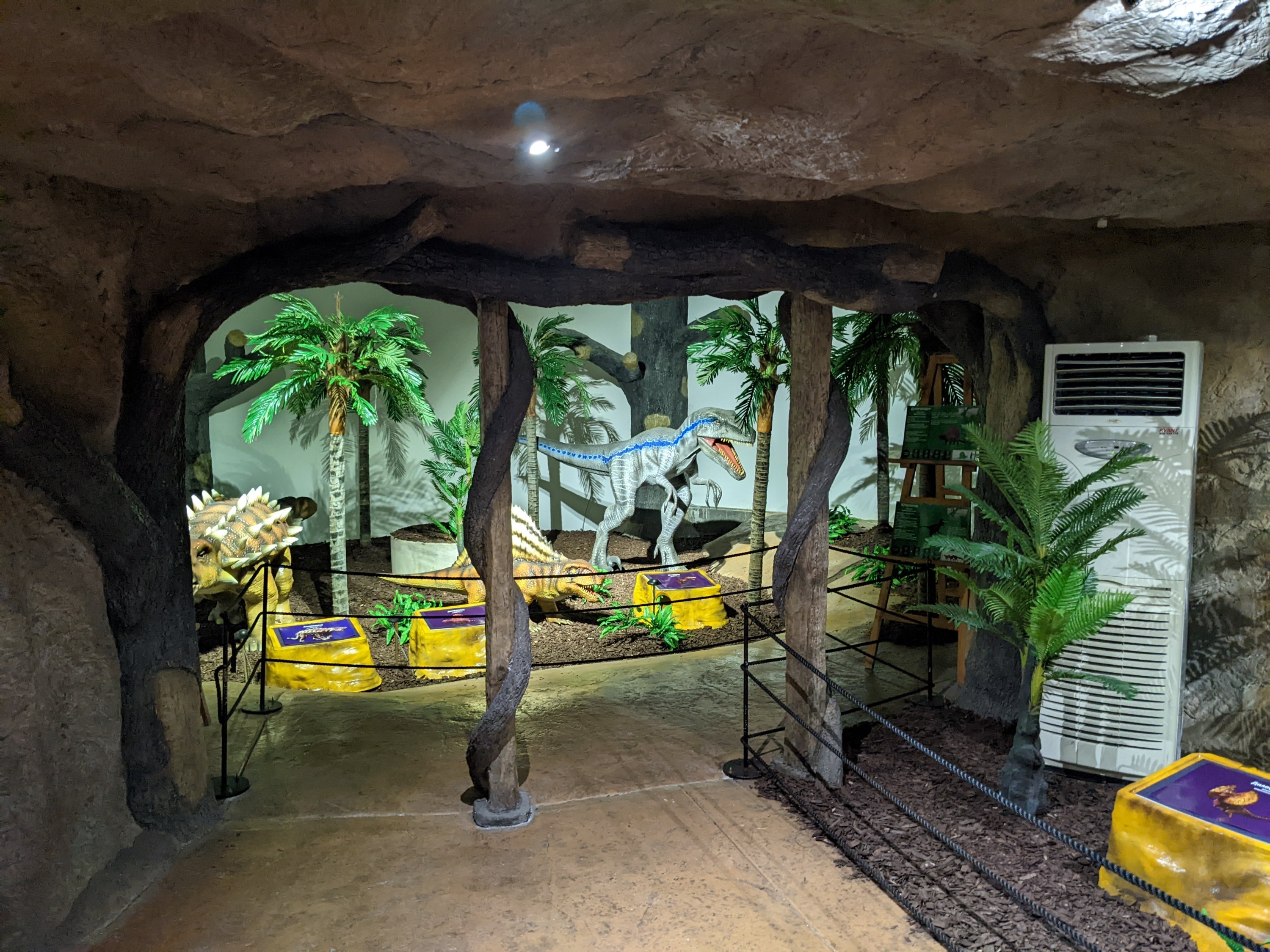
Following this there’s a room dedicated to invertebrates, including an actual beehive with a glass window you can look through, before some stairs leading to… an aquarium?
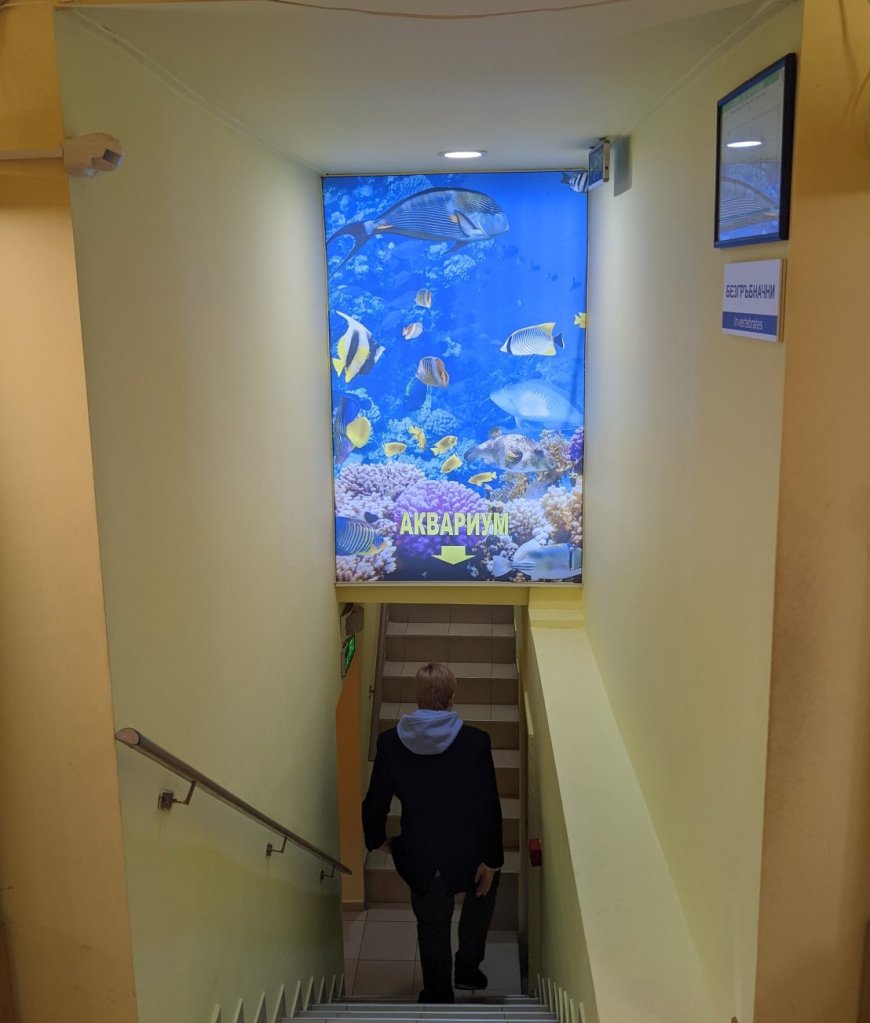
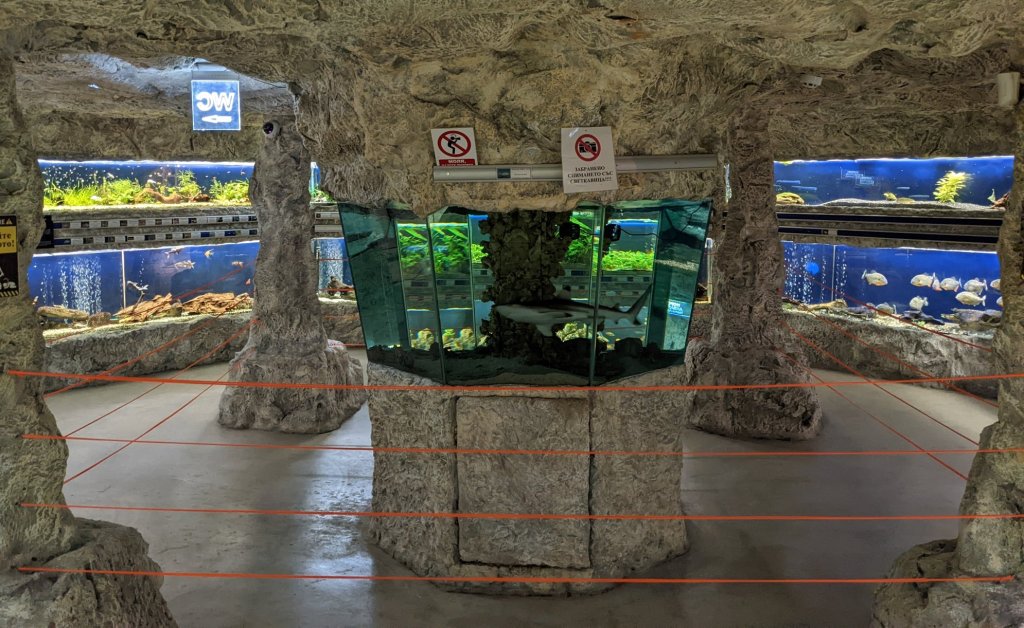
We weren’t expecting this! I’ve seen live exhibits at museums before, but none quite like this. The small building we saw on the outside is deceptive, as there’s actually a second underground floor. This is effectively an underground zoo and aquarium – a central room with four passages leading to even more animals. I’ve never seen anything quite like it before.
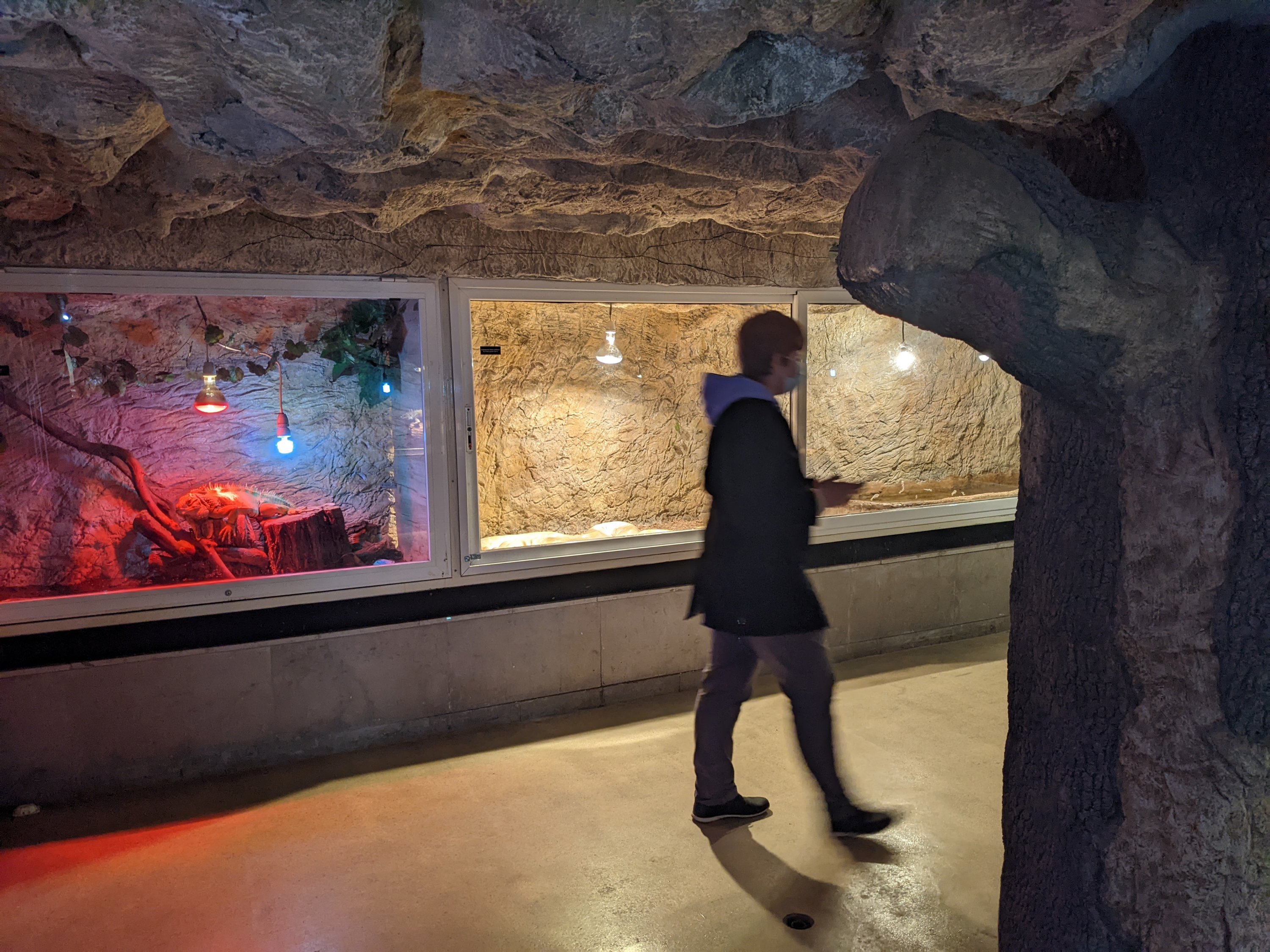
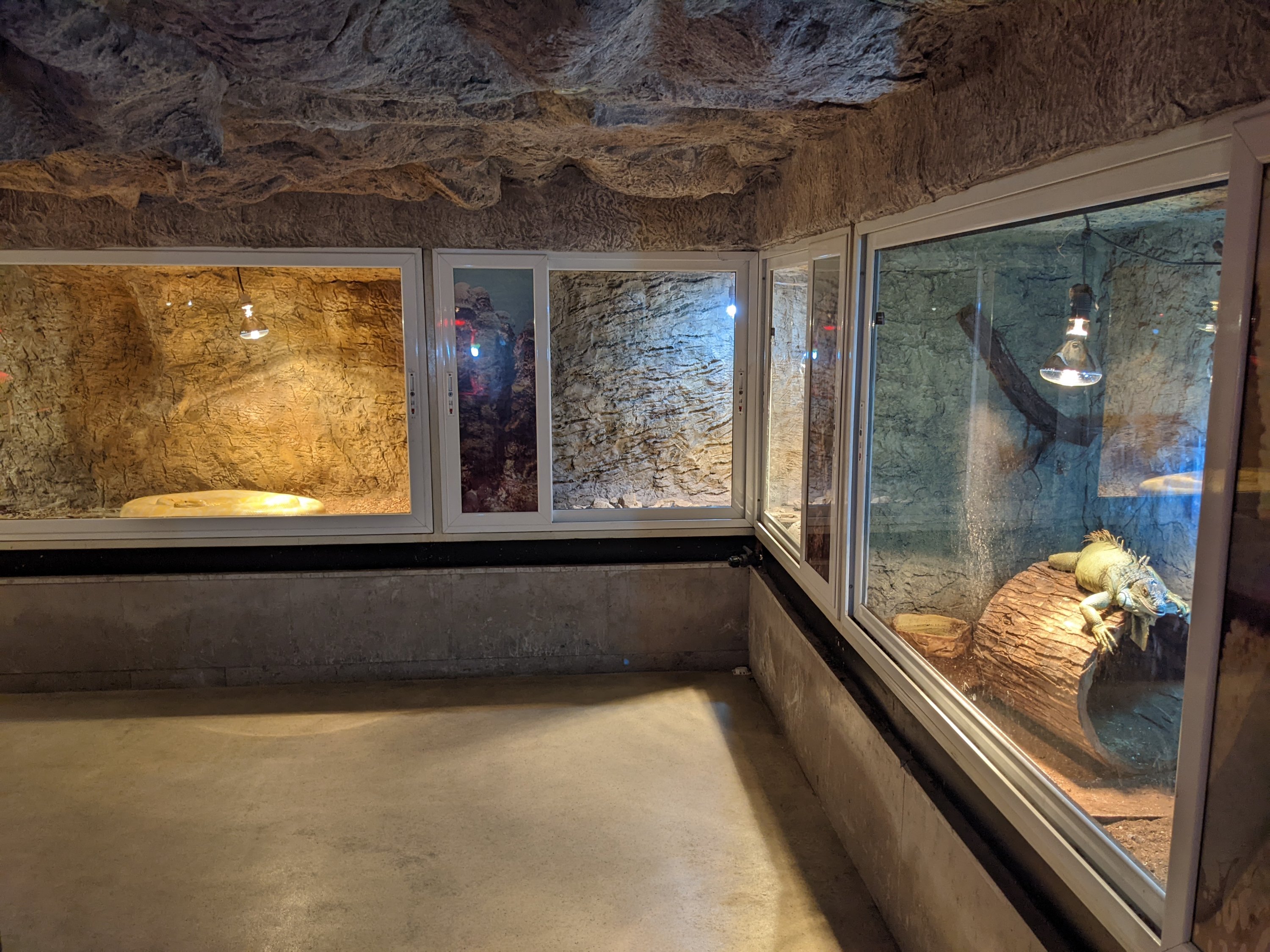
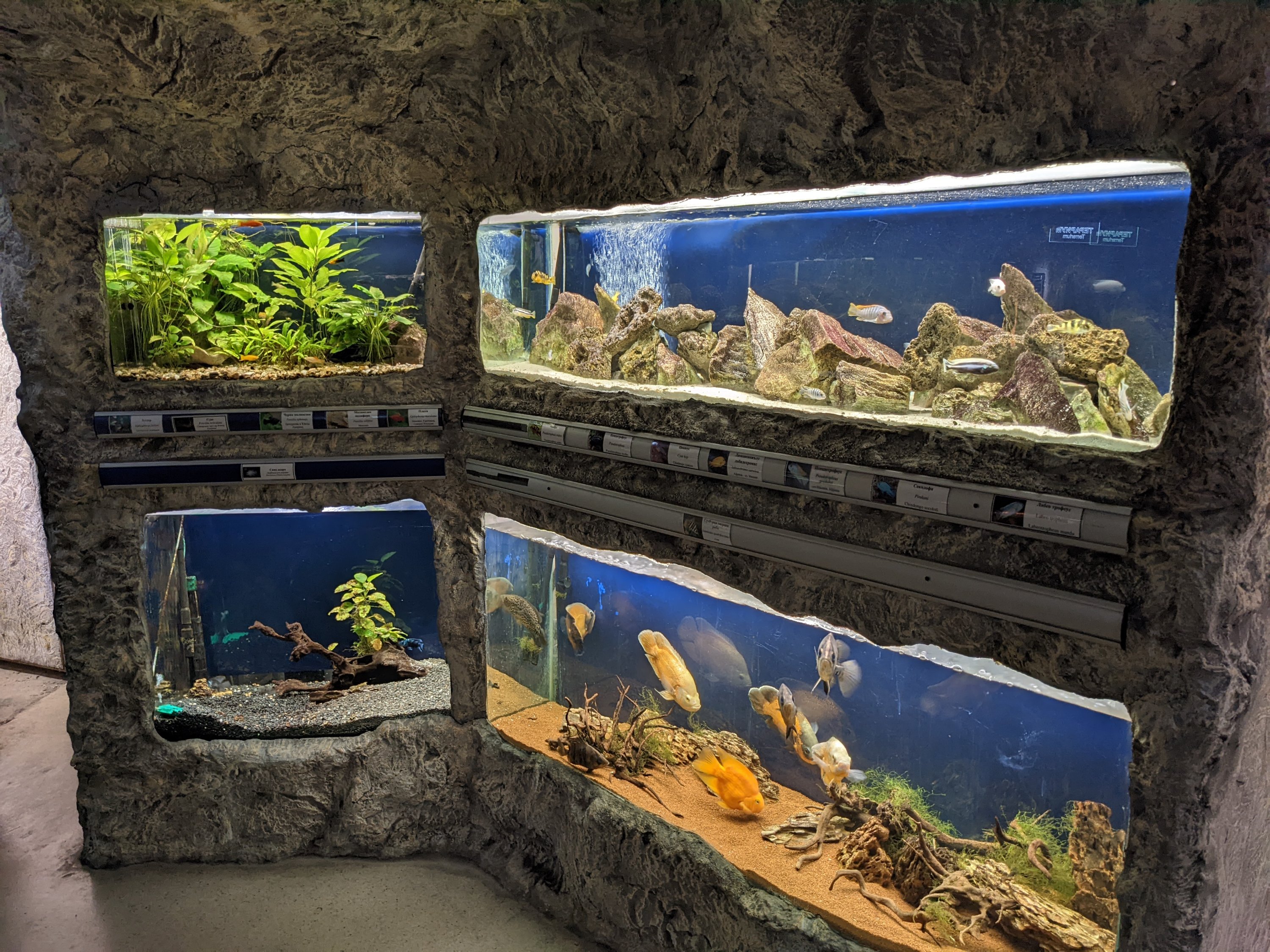
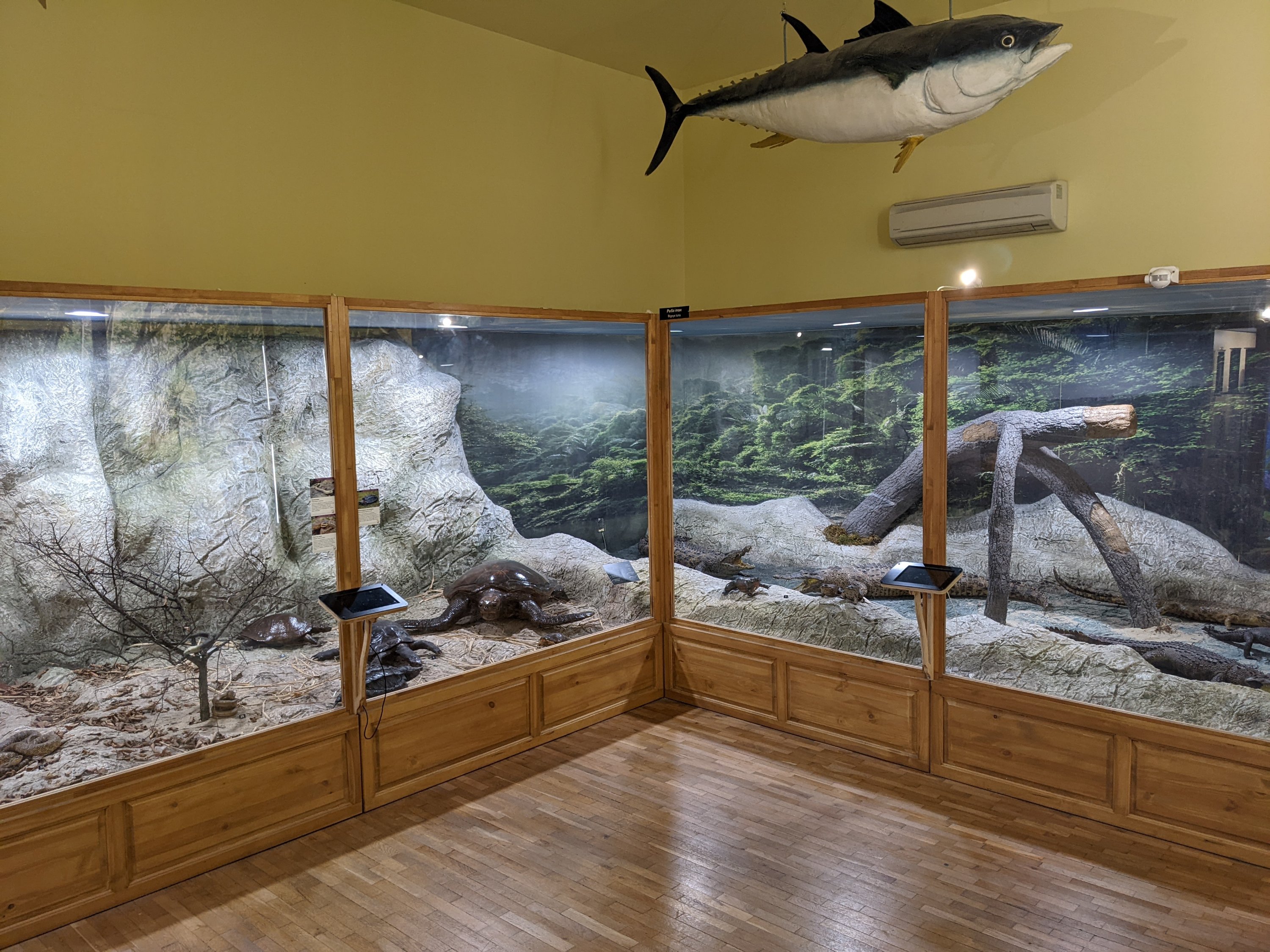
What’s even more impressive is the variety of animals on display. Tanks of tropical fish would have been cool enough, but the museum has electric eels, insects and a lot of reptiles too. I’m not sure at what point it just becomes an zoo with a museum attached.
Most of the animals are on the smaller side, besides two massive albino pythons and… a Nile crocodile? There’s also a baby caiman which actually tried to attack me when I got up close to take a picture, scaring the BEJESUS out of both of us. Thank god for plexiglass.
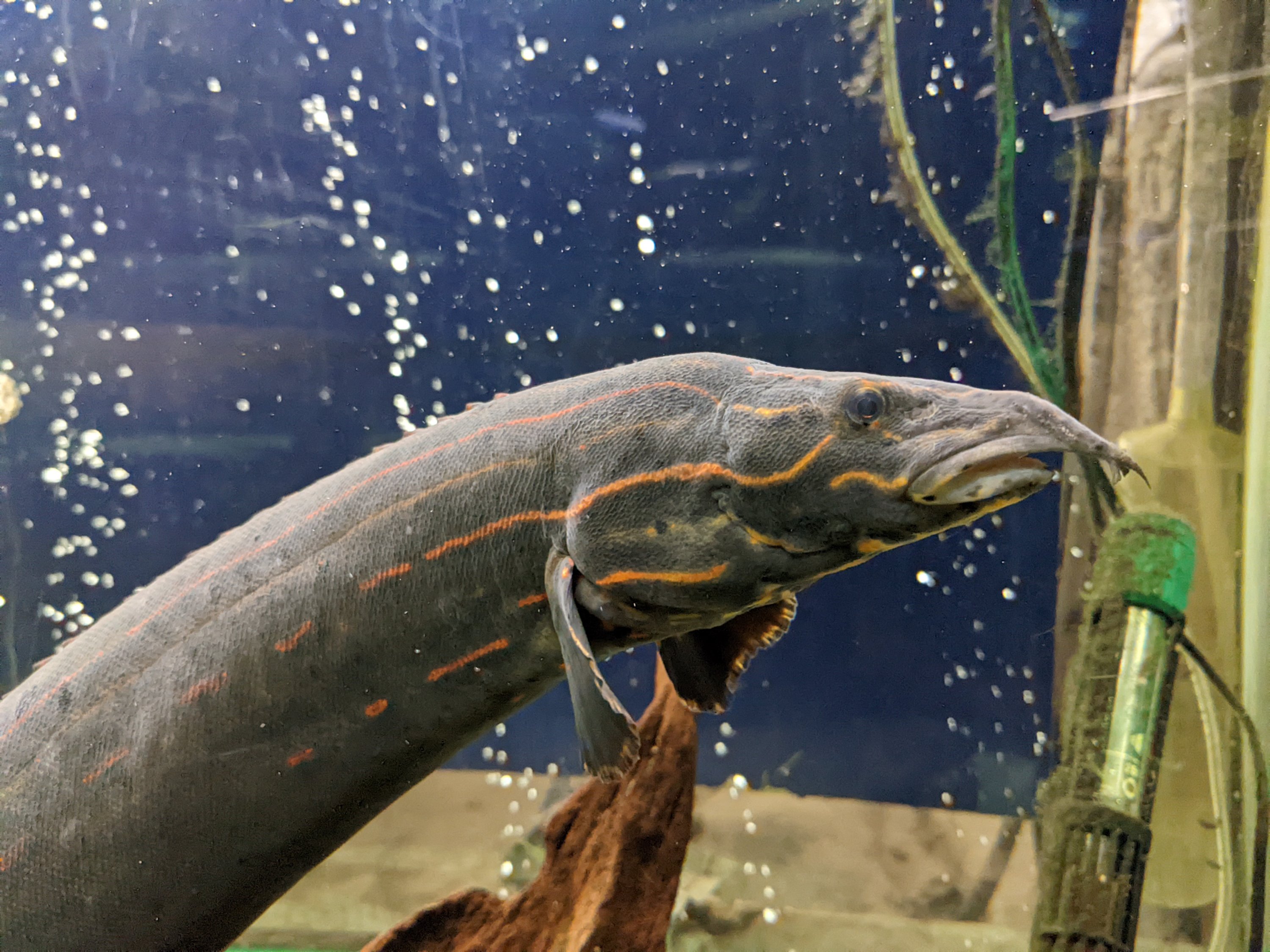
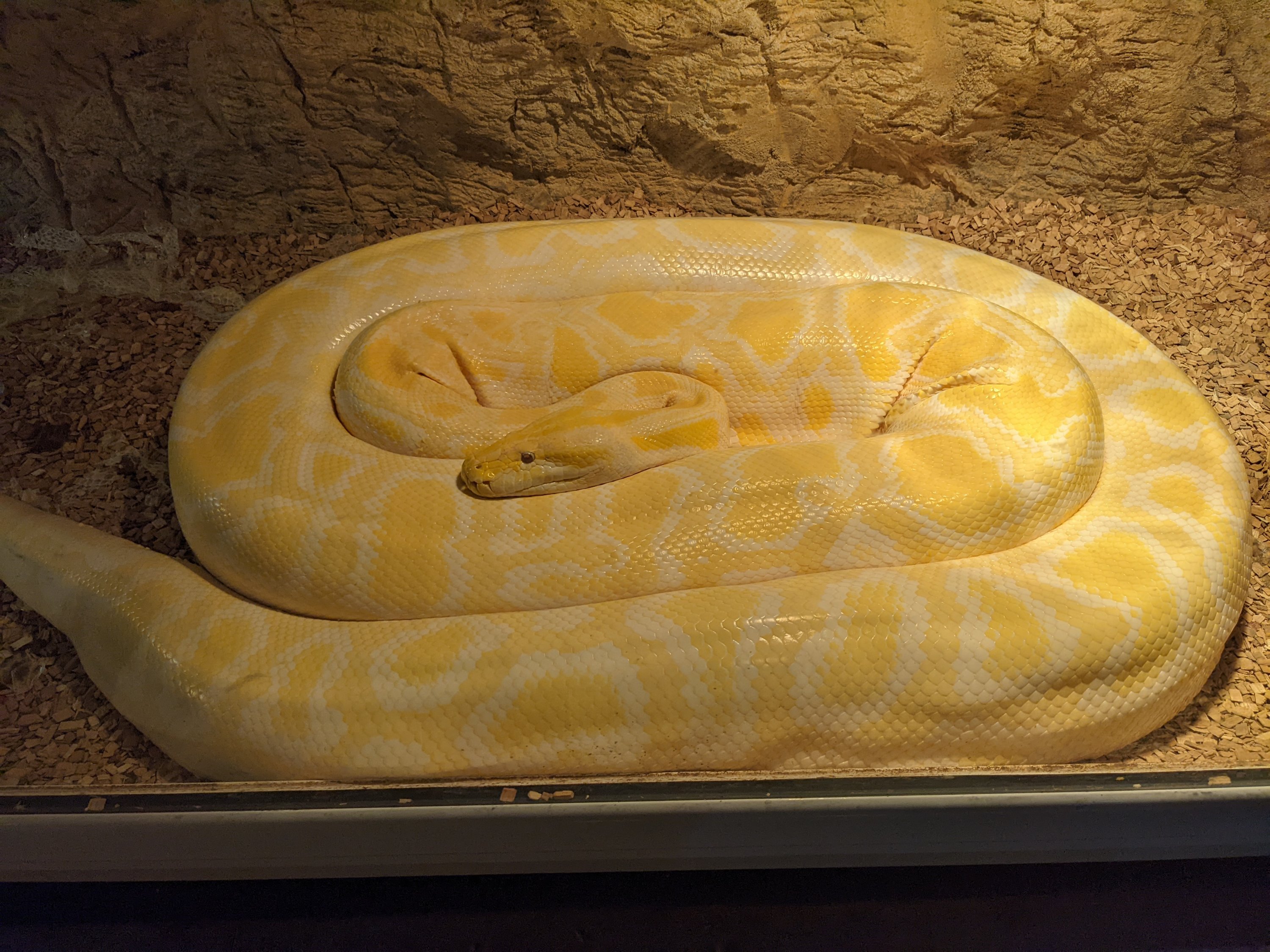
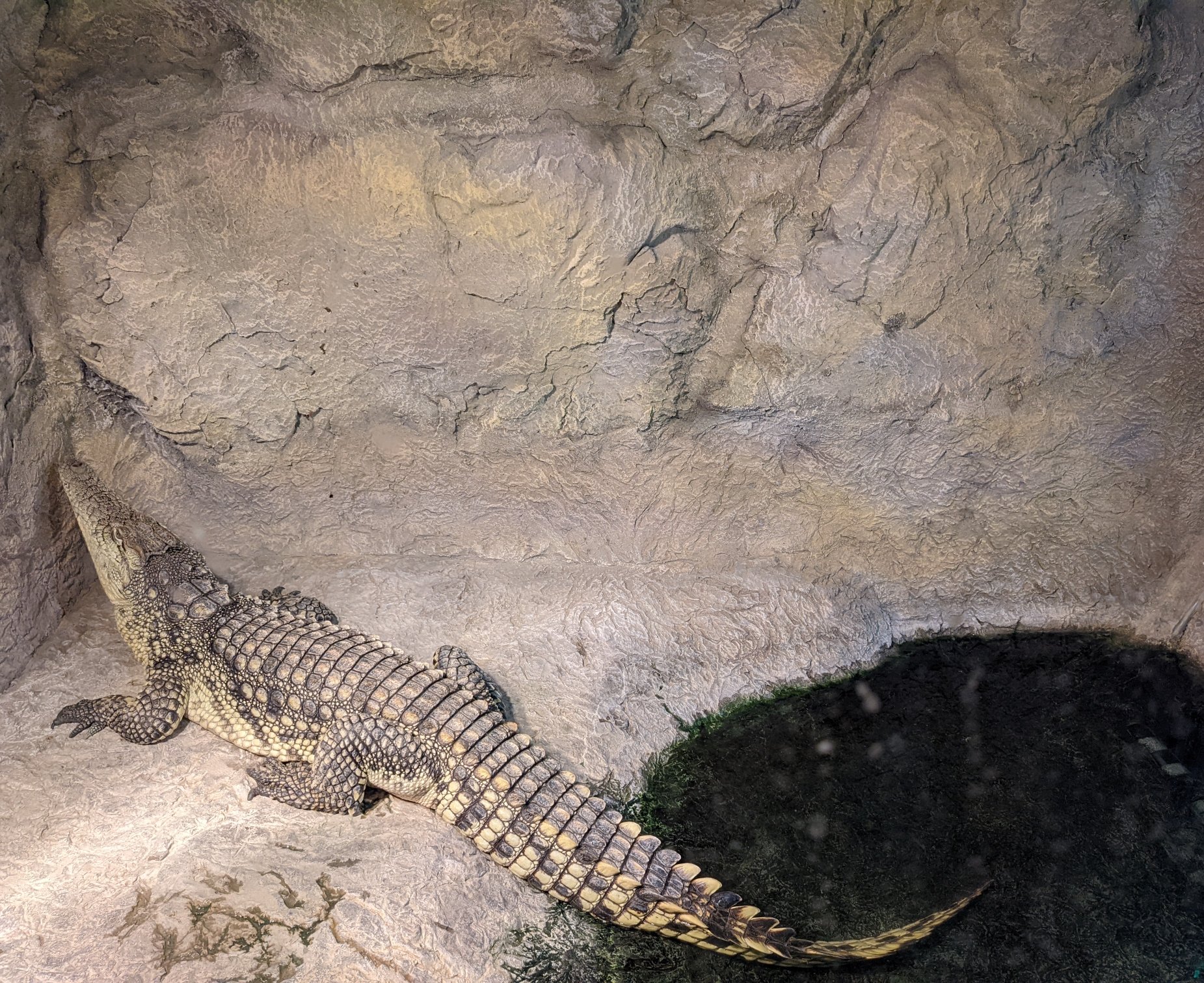
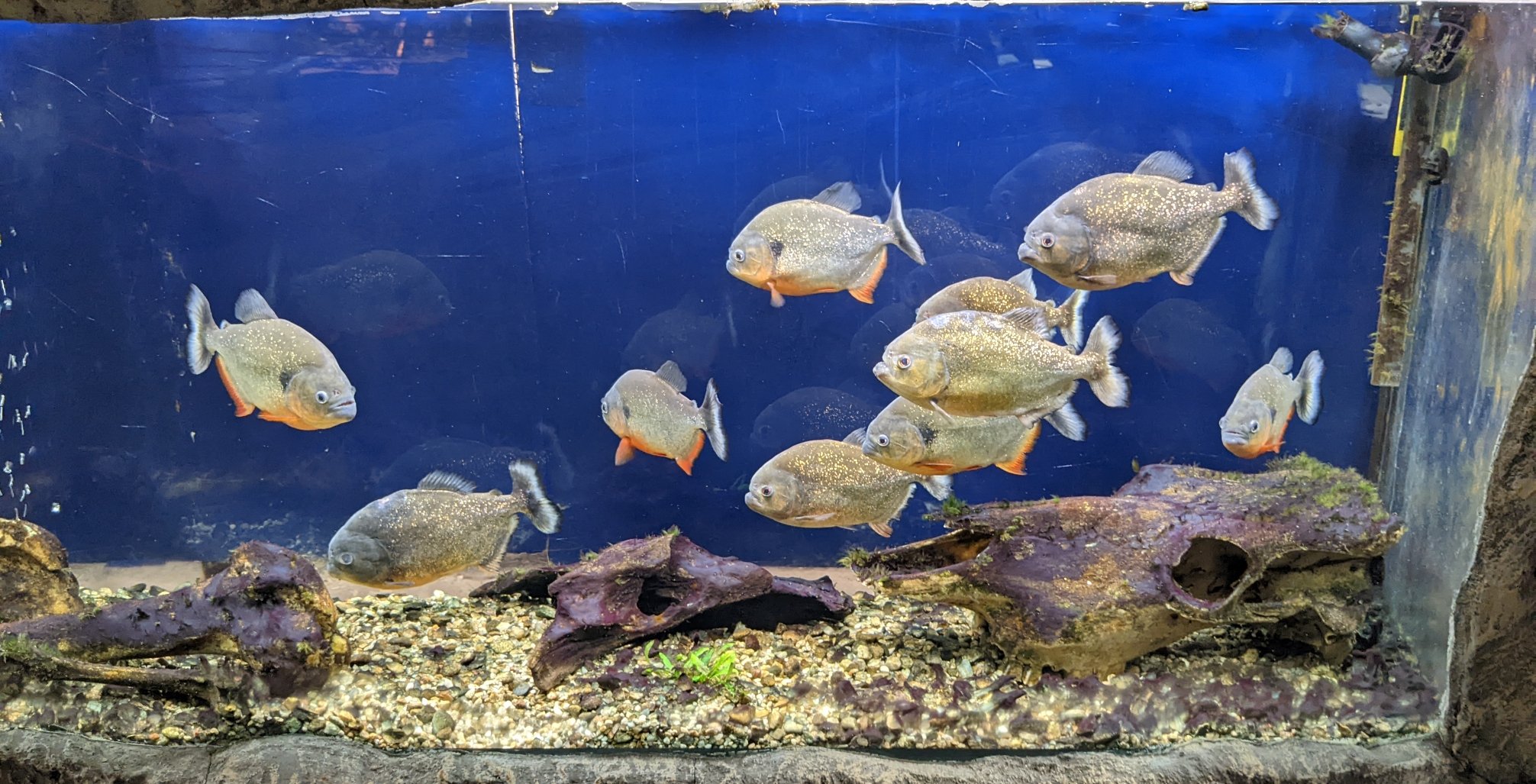
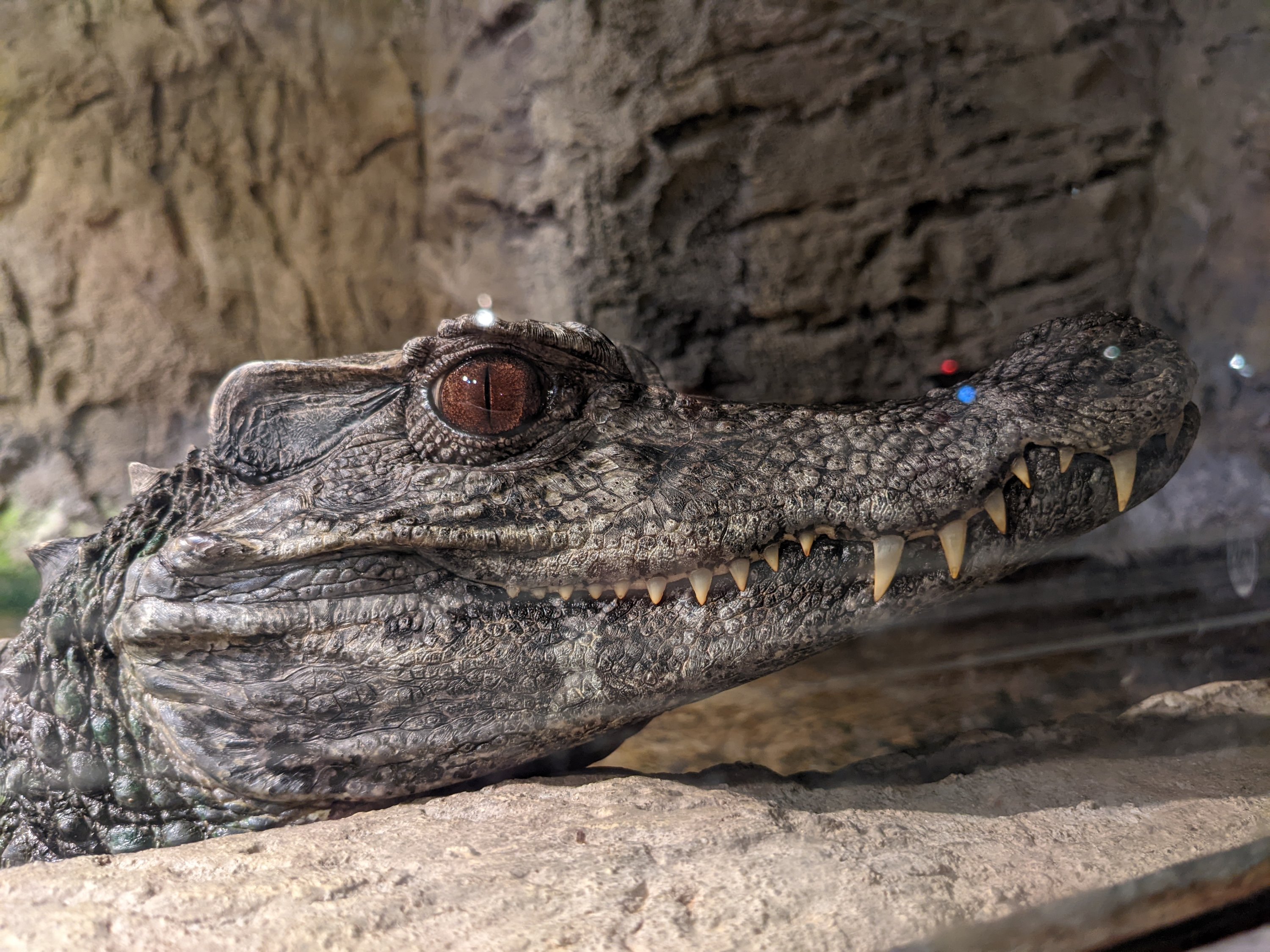
Conditions seemed okay for most of the animals. They seem to have picked animals that do well in tight spaces (to compare I once went to an underground zoo in Shanghai that had an owl). There was one exception though – I think the shark (which, I want to remind you, lives underground) had a really cramped tank in the centre. As a centrepiece it did look cool, but I couldn’t help but feel sorry for it, just swimming around the same rock pillar all day.
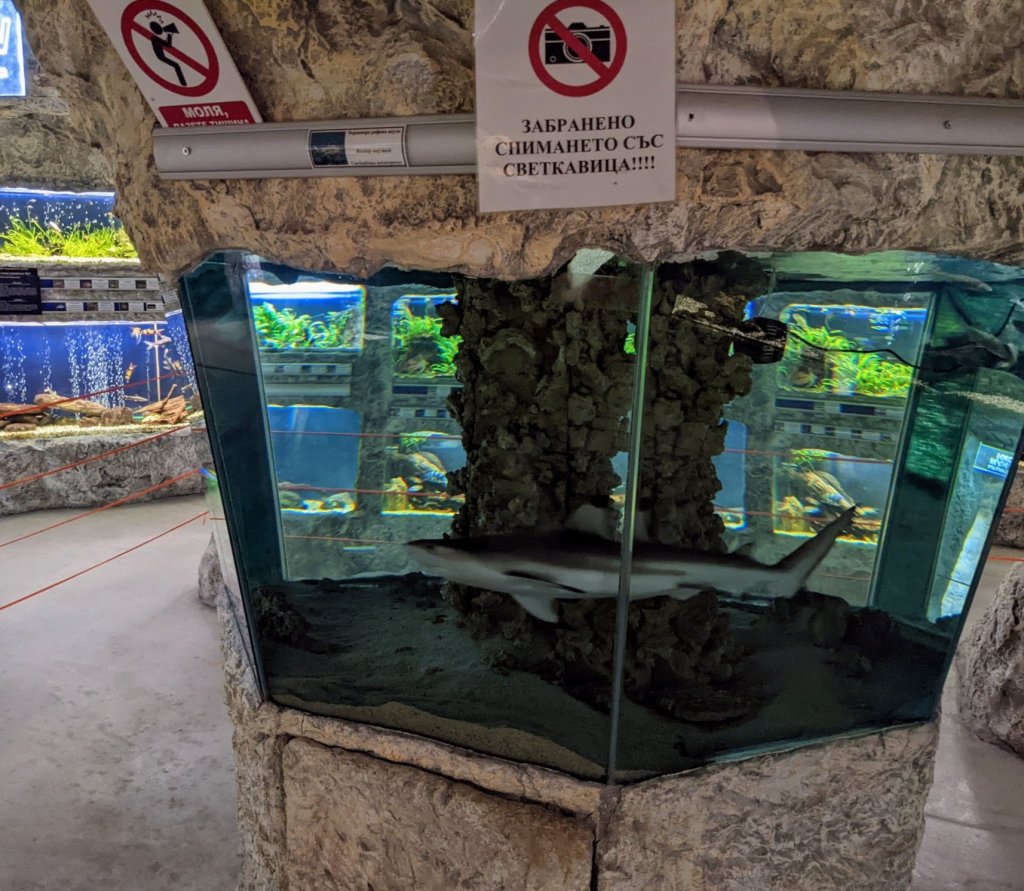
I did some research and found that the centre tank is actually temporary – a better tank ten times the size was being built, which meant the old one had to be destroyed, but covid delays have meant that the new exhibit still hasn’t been built yet, so the temporary tank is being used for much longer than it was meant to. Consequently two of the other sharks have already died 😔 I understand that it can’t be helped, but I hope they get the new tank finished as soon as possible. The remaining shark is the only animal I had any concern for – as a silver lining I suppose it has more space now.
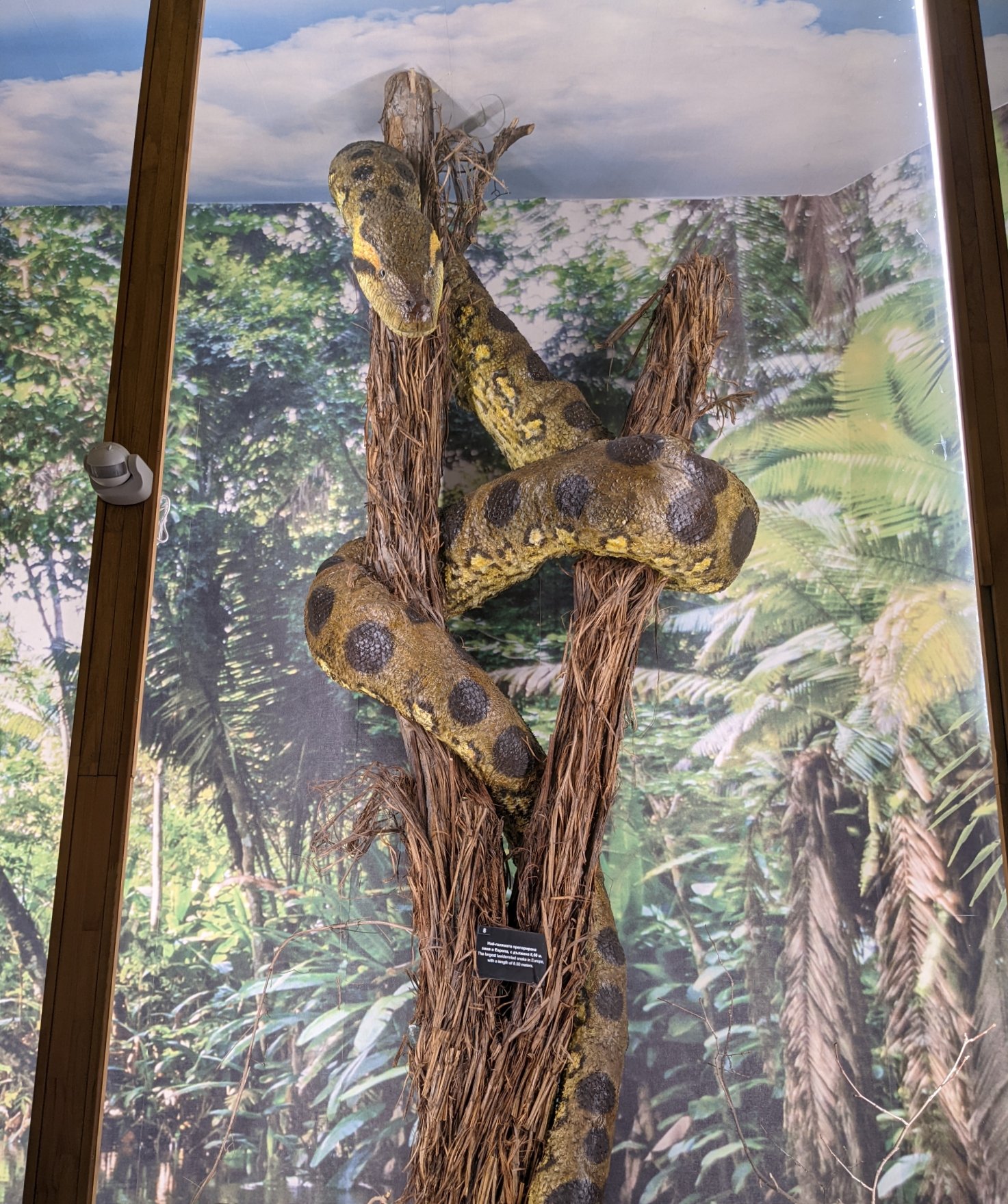
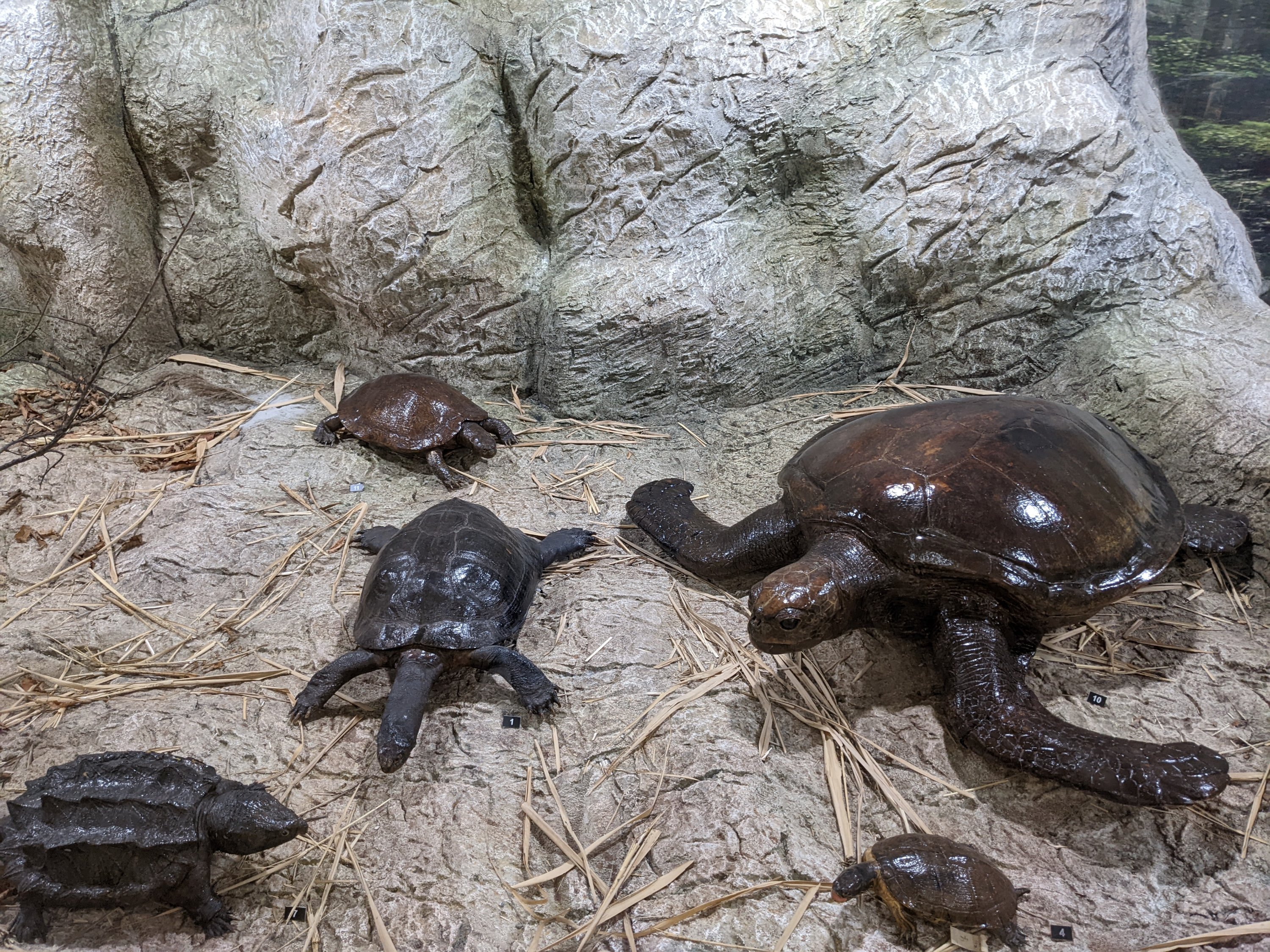
But anyway, back to the rest of the place. We spent the lion’s share of our time just exploring these underground menagerie. In fact, after seeing so many live animals, I lost a lot of interest in the big taxidermy exhibits that make up the second half of the terrestrial floor of the complex. I’ll admit we sped through the reptile and bird rooms. They’re still pretty cool though.
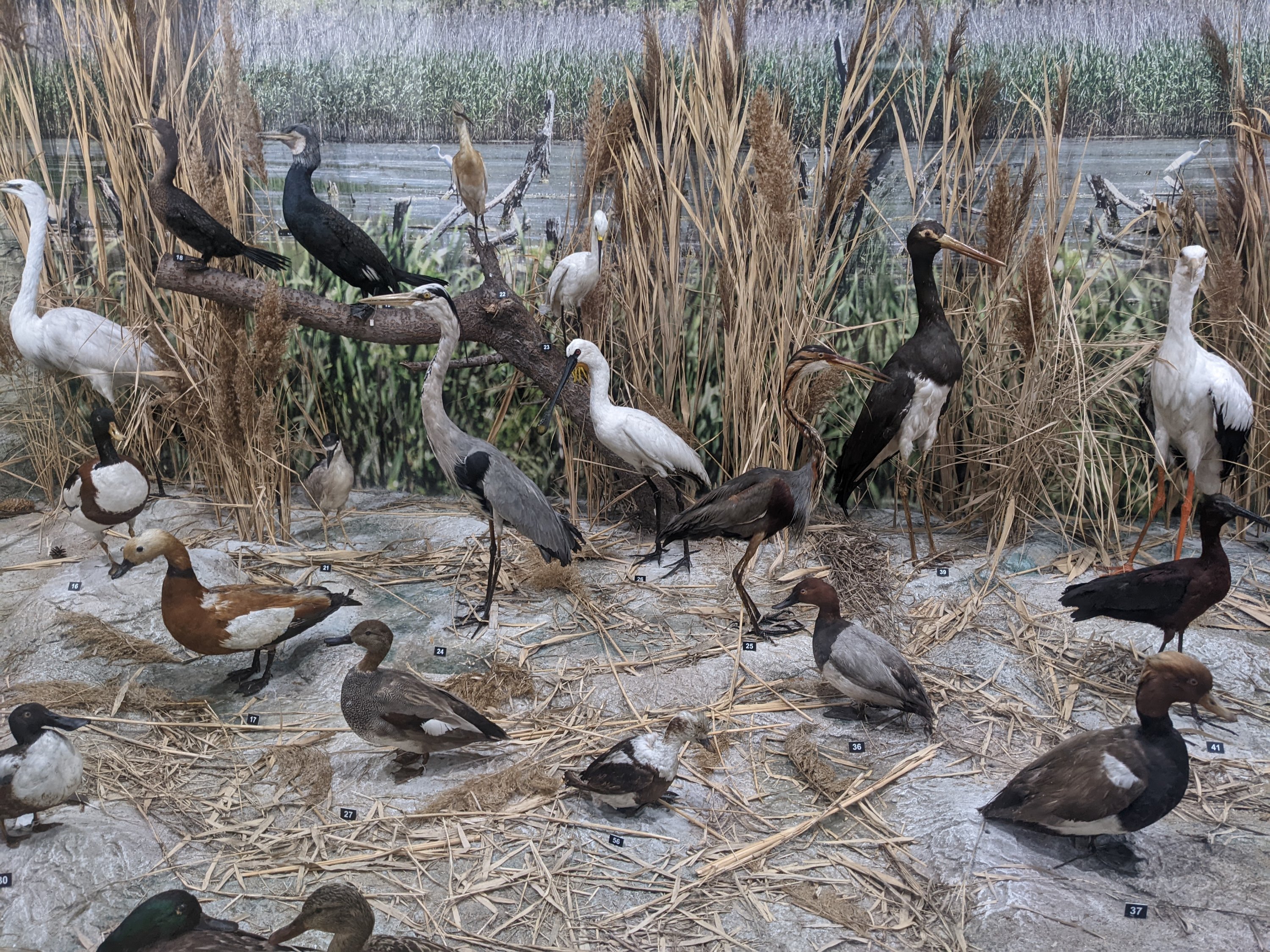
Finally there’s the hall of mammals. It’s a decent display, but it did make me smile how the museum curators included a little ocean section just so the cetaceans could be included. I’m not sure if they’re meant to be swimming or if they’re stranded and trying to get back into the ocean.
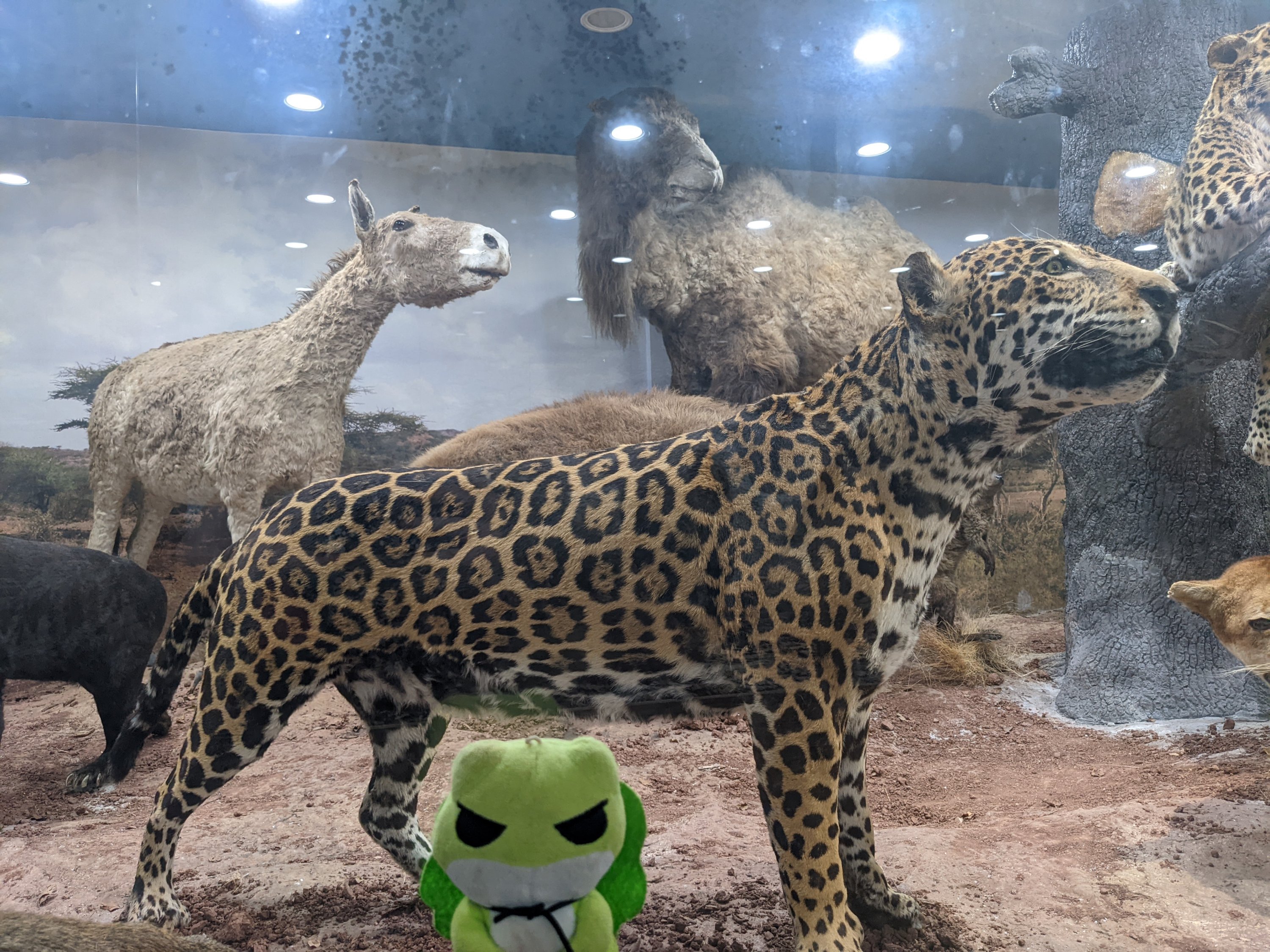
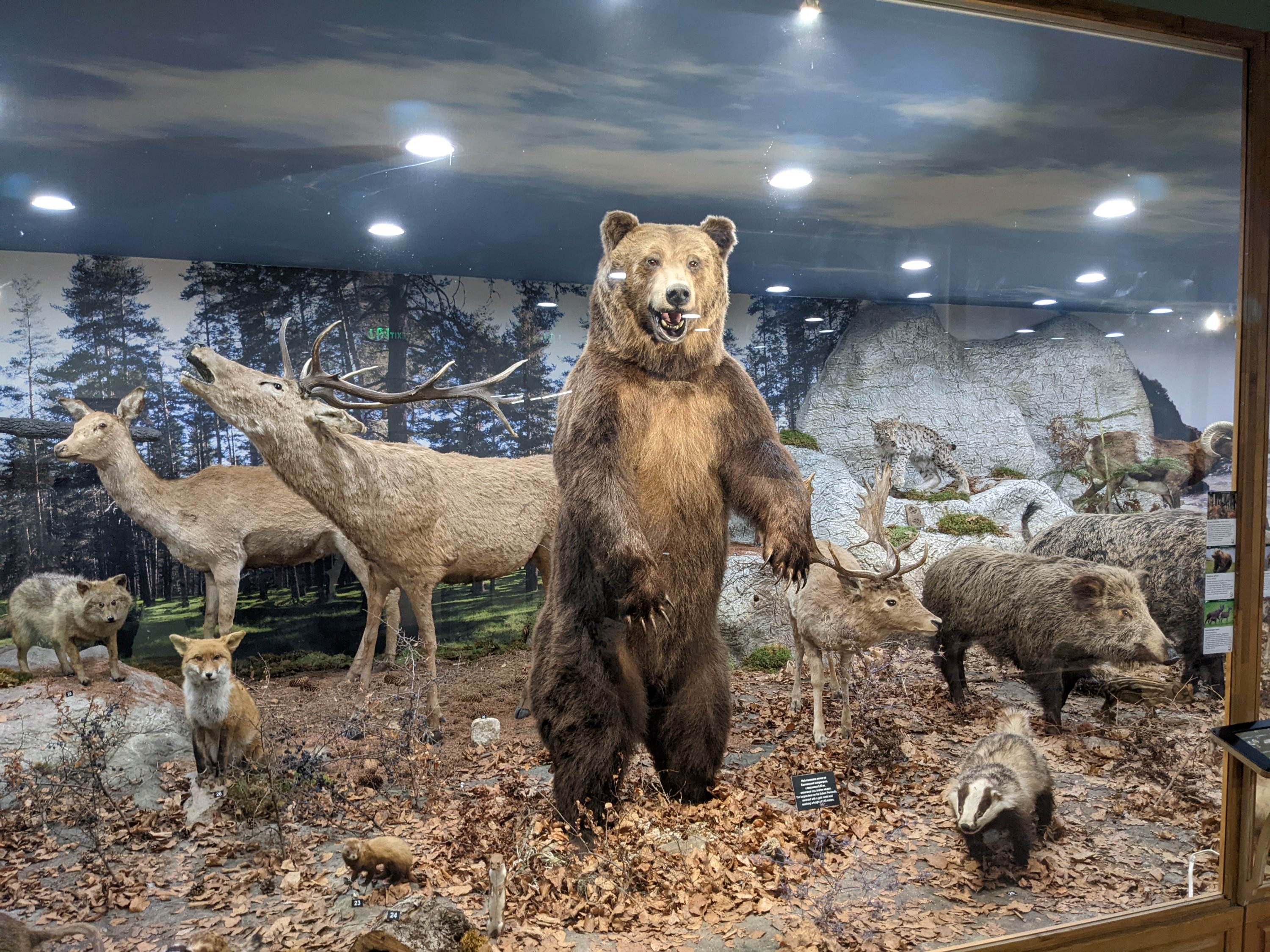
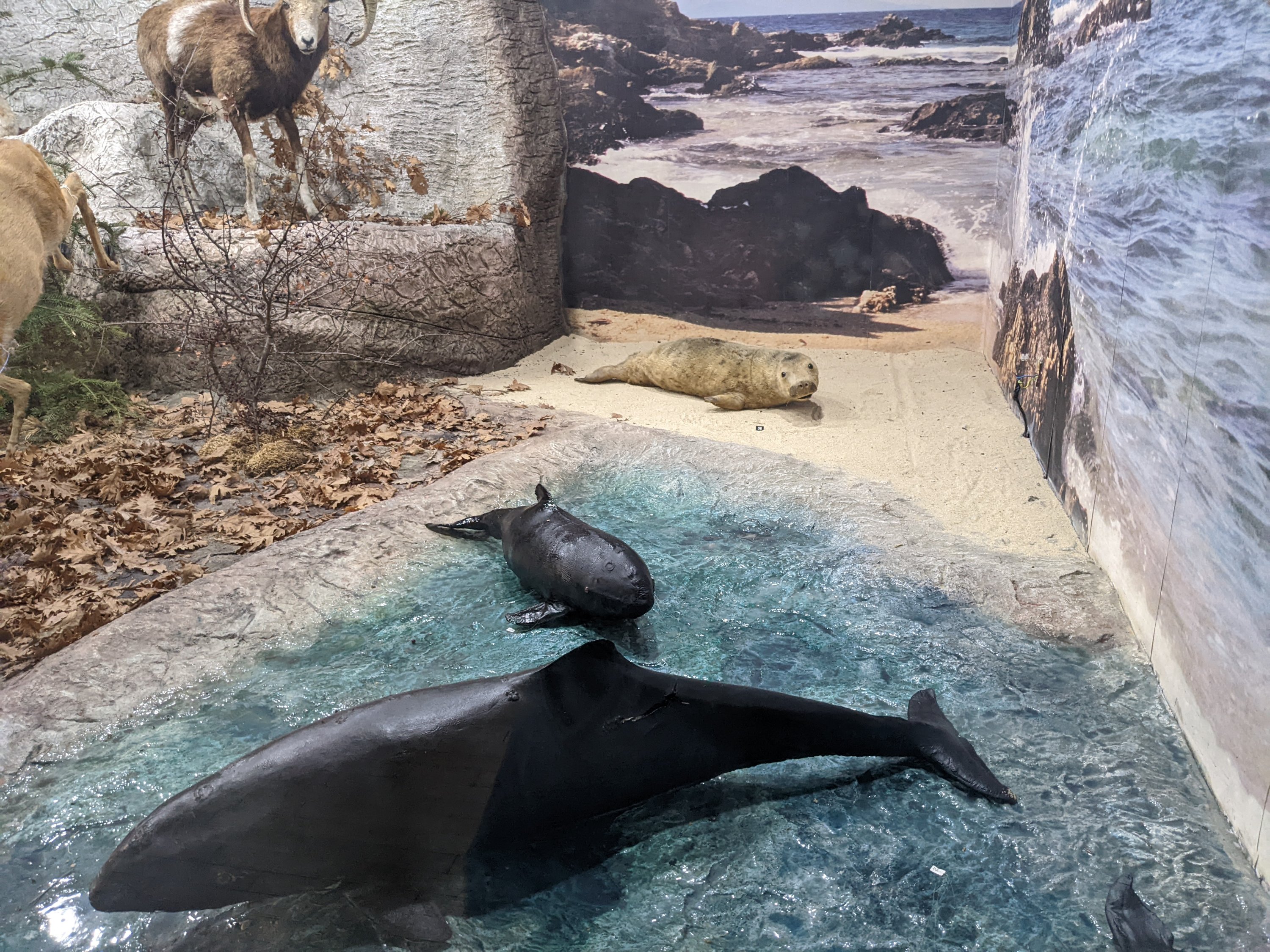
And after this it loops back around to the entrance hall. Other than a tiny gift shop the museum has no other facilities, so we walked off to find some baclava.
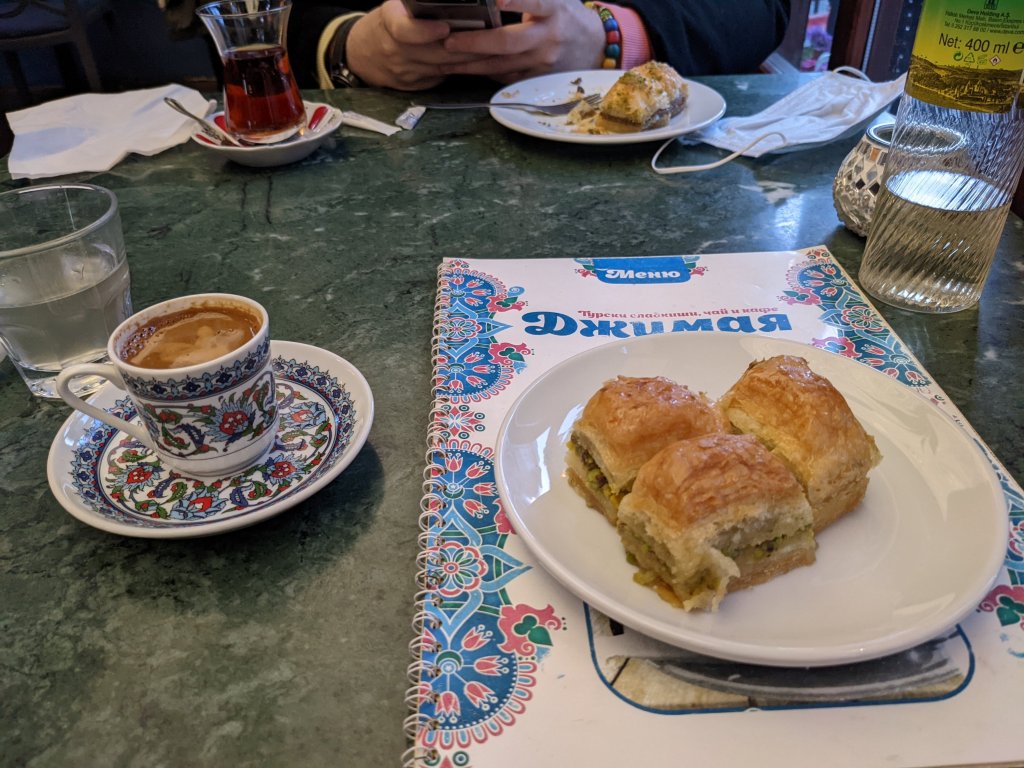
How was it?
Ever since I walked into the Natural History Museum in Kaunas and looked in awe at the colossal anaconda staring down at me in an exhibit that hasn’t changed since the Second World War, I’ve always had a soft spot for these sorts of museums in the Eastern Bloc. Some of them have barely changed since the Cold War – others have tried to adapt to modern times. The Plovdiv Museum is definitely the latter.
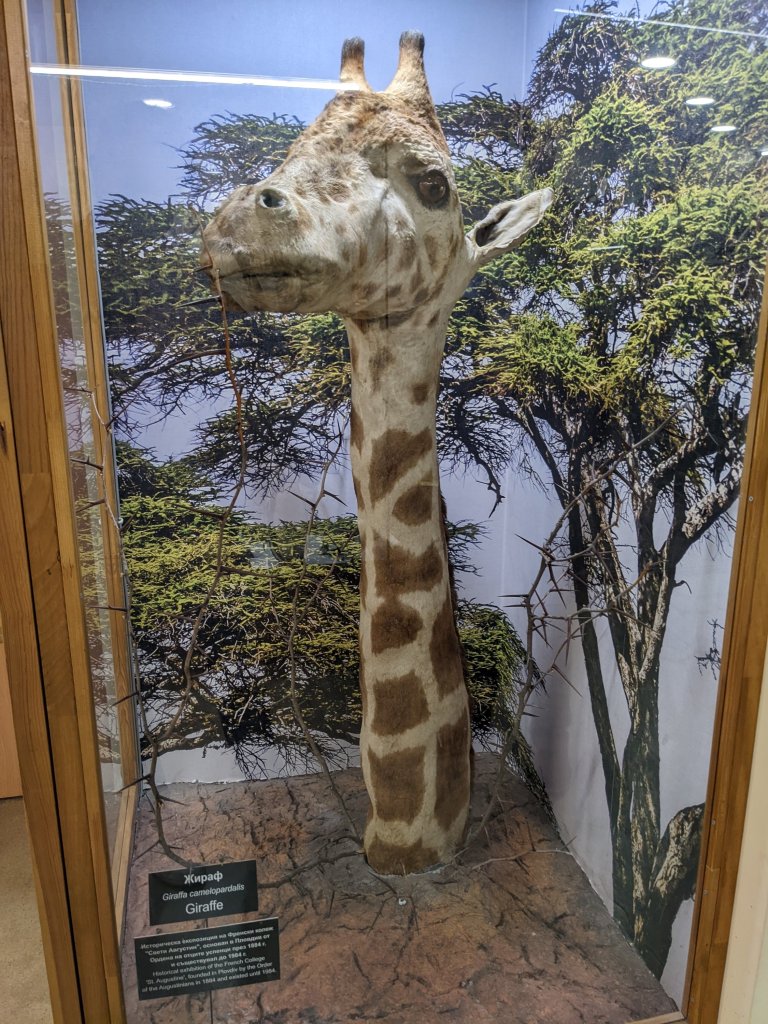
Despite being nearly fifty years old, the Plovdiv Museum feels more modern than most. The bear skeleton at the beginning was found less than ten years ago so there’s still new exhibits coming in. There’s a planetarium and interactive stations for kids to try stroking a sample of roe deer fur or whatever. Some of the bigger displays now have touchscreens so you can more easily find what you’re looking at. The only thing that hasn’t been updated is the taxidermy itself, so unfortunately some of the animals on display do look a bit… odd.
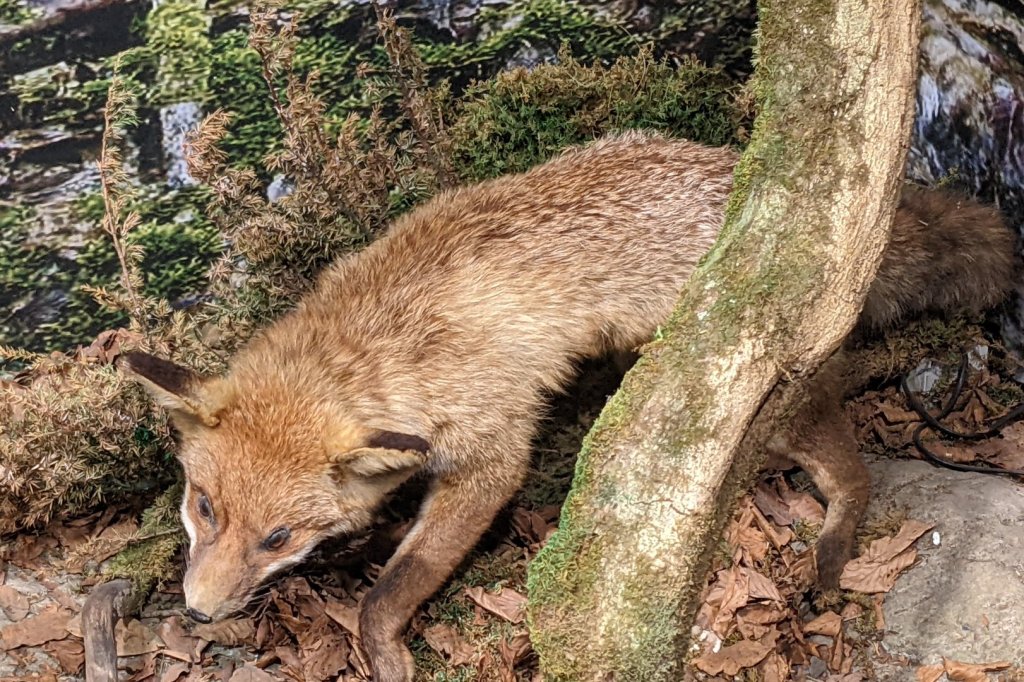
It’s definitely not a world-class institution, and the natural history displays are acceptable but not incredible. But the underground ‘zoo’ is the real star of this place, especially as Plovdiv lacks a formal zoo or aquarium. It’s a great idea and I imagine kids would love it.
My only real concern is again the shark tank – while I know it’s temporary, it’s still enough to affect my rating. Once this issue is fixed and the shark has a better home consider this a 4/5.
Final rating : 3 sharks out of 5
🦈🦈🦈
Useful notes
- Entry is about 9 levs. There’s a 2 lev discount if you’re a student.
- There’s disabled toilets but no formal gender neutral ones.
- There’s actually a wheelchair friendly lift down to the underground area! Dead impressed. The galleries also had chairs if you need them.
- There’s a tiny gift shop selling things like crystals, but no café or whatever.
 ☕🐸Coffee Frog Travel Blog🐸☕
Leave a comment