Context!
Bulgaria has a… complicated relationship with the Communist era. Of course it was an era of great hardship, repression and surveillance, but the Communist government also (broadly) brought security, stable jobs and improvements to public infrastructure. After Bulgaria moved to democracy, the country’s economy collapsed for several years – it’s still one of the poorest nations in the EU. Consequently a strange nostalgia has grown for the stability that authoritarianism provided- this article on the topic is worth a read.
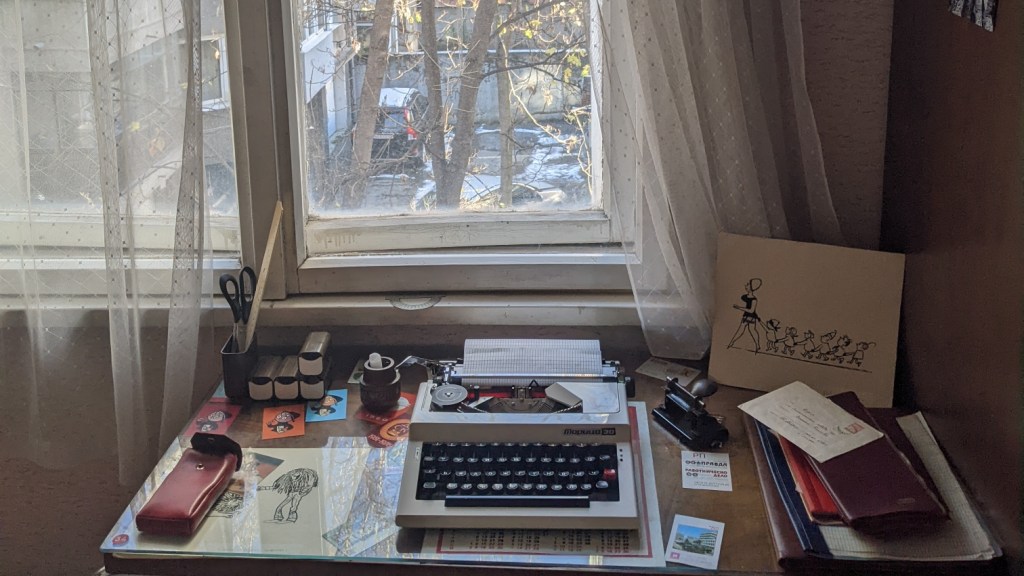
Partially a cash-in for this nostalgia among Bulgarians and partially a tourist attraction for foreign tourists, The Red Flat is a small museum that’s recently opened in Sofia. Visitors explore a recreation of a typical Cold War flat, as it would have looked before the shift to Capitalism. We went in expecting a reasonably interesting museum about daily life under Communism, but ended up loving it so much that it was difficult to bring ourselves to leave.
What it’s like
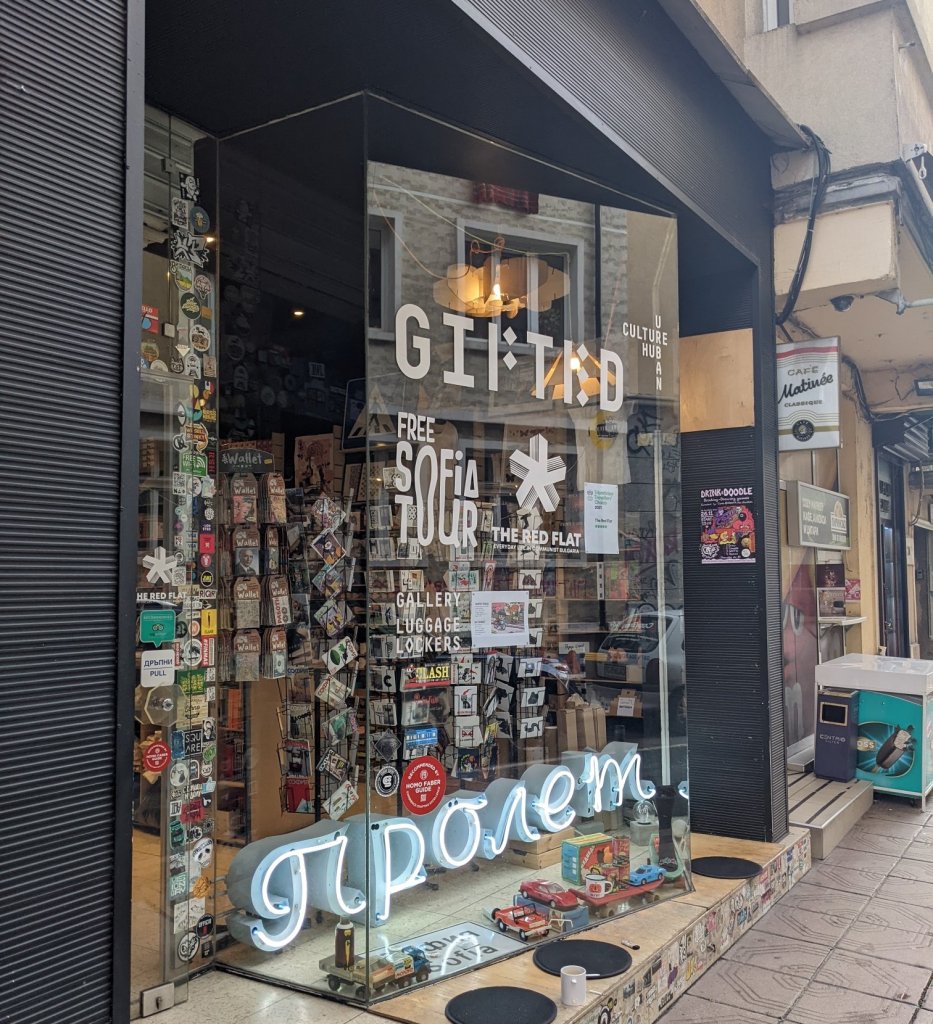
The ticket office for the Red Flat is actually around the corner from the museum itself – it’s located in a cute little gift shop that sells a mixture of communist memorabilia and more contemporary gifts. Once you buy your tickets, you’ll be taken out of the shop and up some stairs, into the flat itself.
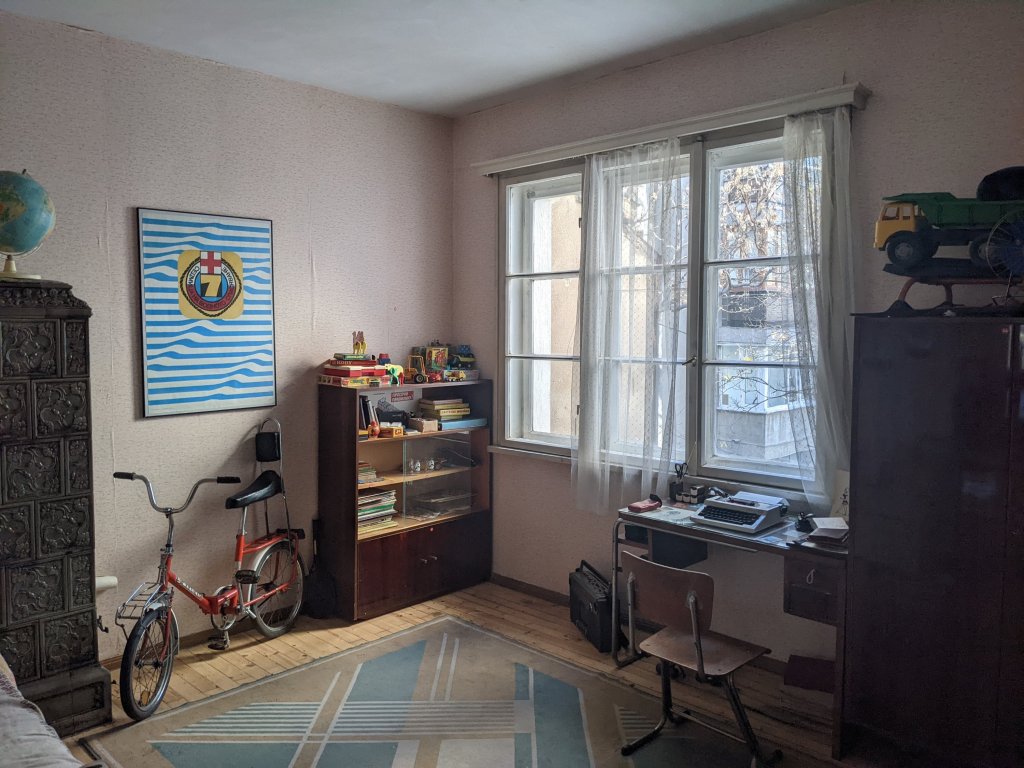
There’s a guided audio tour – something I only realised later – but I think I’d recommend just exploring at your own pace. At this point I should explain exactly what makes the Red Flat more interesting than other house museums – you’re free to touch everything.
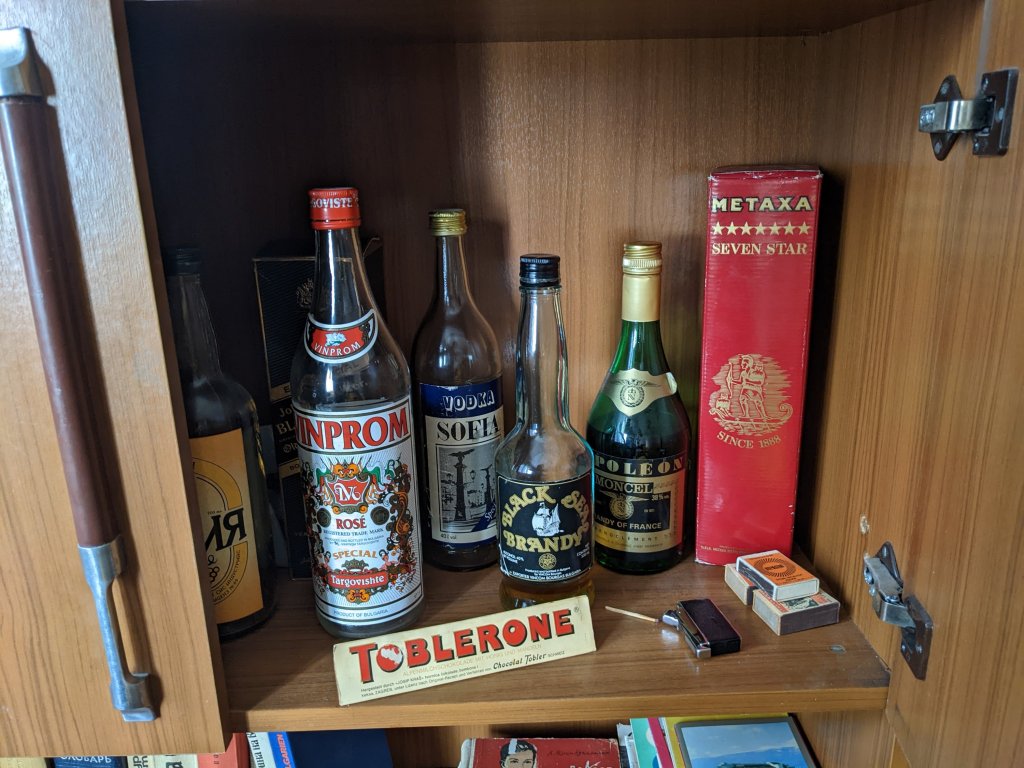
I don’t just mean pre-arranged objects, or interactive displays – everything can be opened, read or played around with. You don’t need to ask for permission. Nothing seems to be off limits, providing you don’t try to steal or destroy it.
This took me a while to really grasp – I kept looking back to the guide and asking “Am I allowed to touch this?” – but after a bit I just went nuts and began ransacking the place.
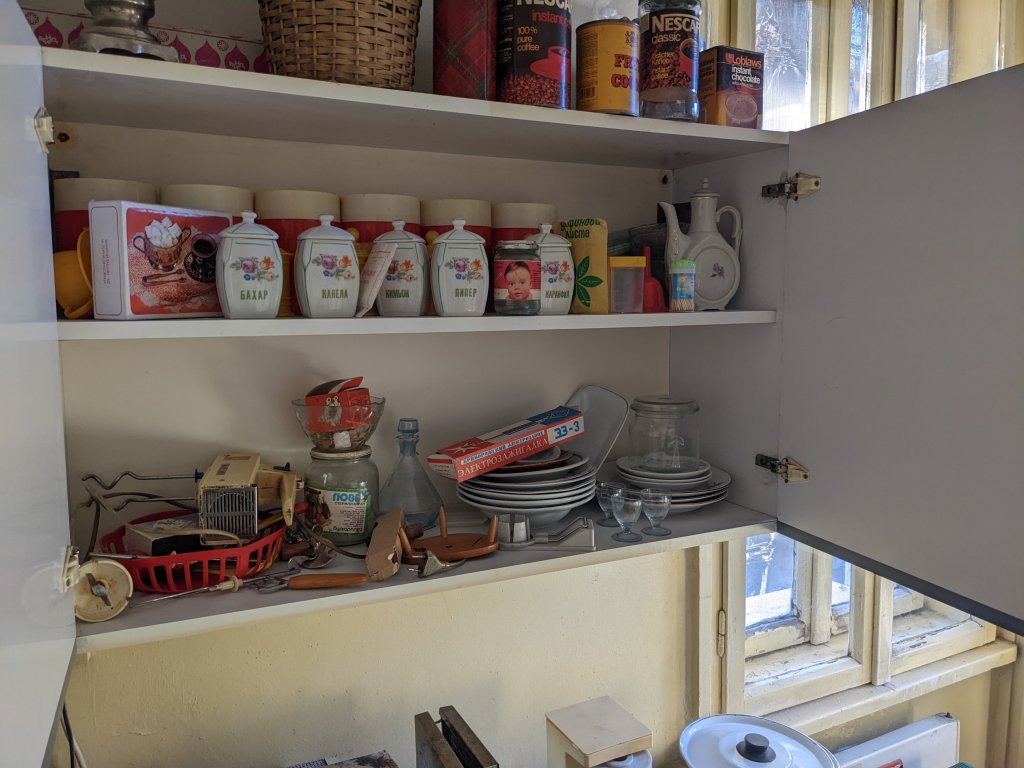
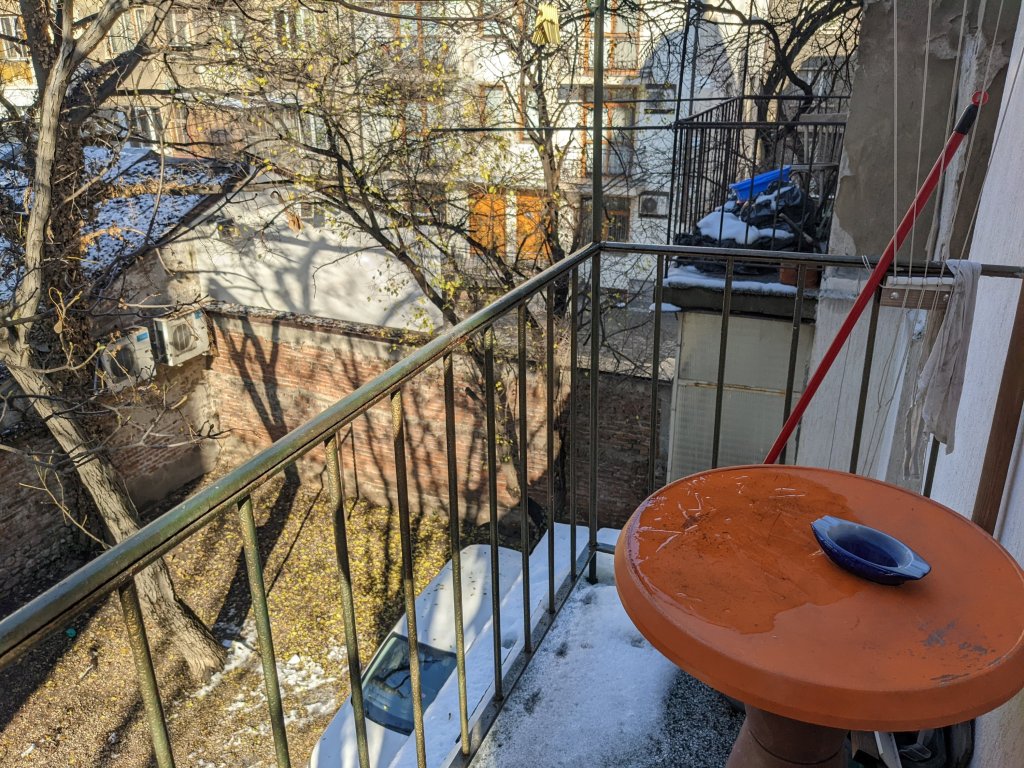
Every room in the flat is open – the main points of interest are the living room, bedroom and kitchen, but you’re free to explore the balcony, bathroom or even the toilet if you like. Period appropriate music plays from a record player in the bedroom to help get you in the Cold War mindset.
A staff member is around to supervise and answer any questions, although she spent most of our time chatting with my Bulgarian friend while I gleefully went from room to room, opening doors and handling everything I could.
It almost felt like I was trespassing in someone else’s house. Everything feels so lived in – the directors have done an astounding job in making the flat feel authentic.
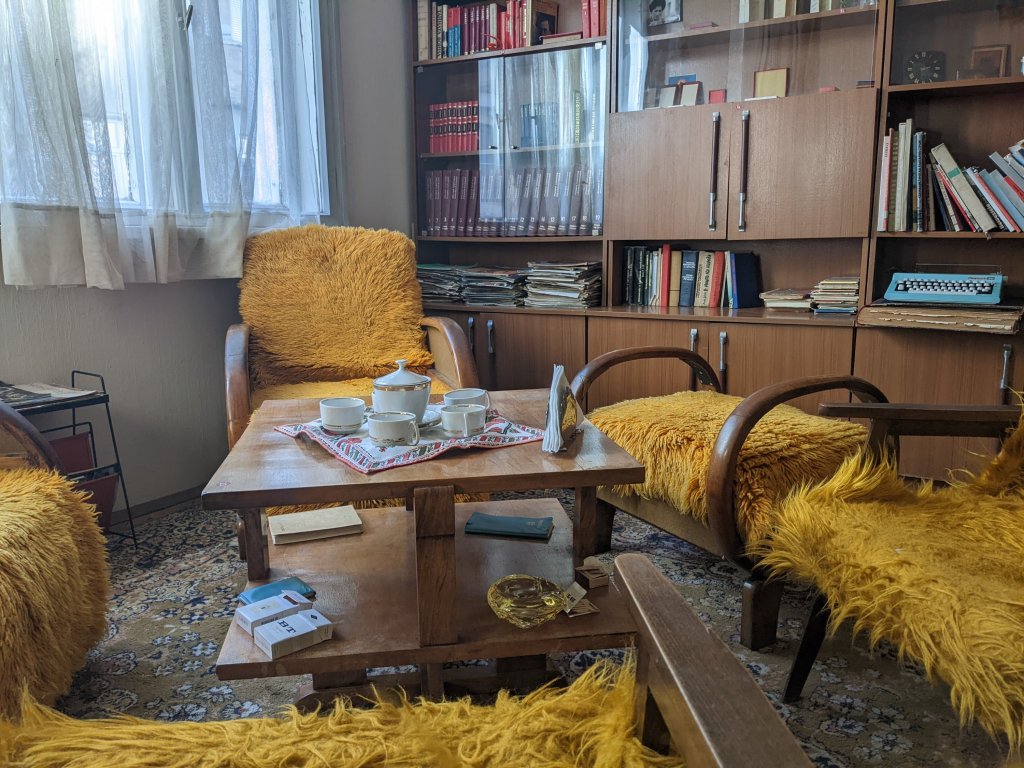
There’s a whole library of books, leaflets and even comics you’re free to flick through. Obvit they’re in Bulgarian, so for most the books I just skimmed through them and looked at the pictures, like an enthusiastic toddler.
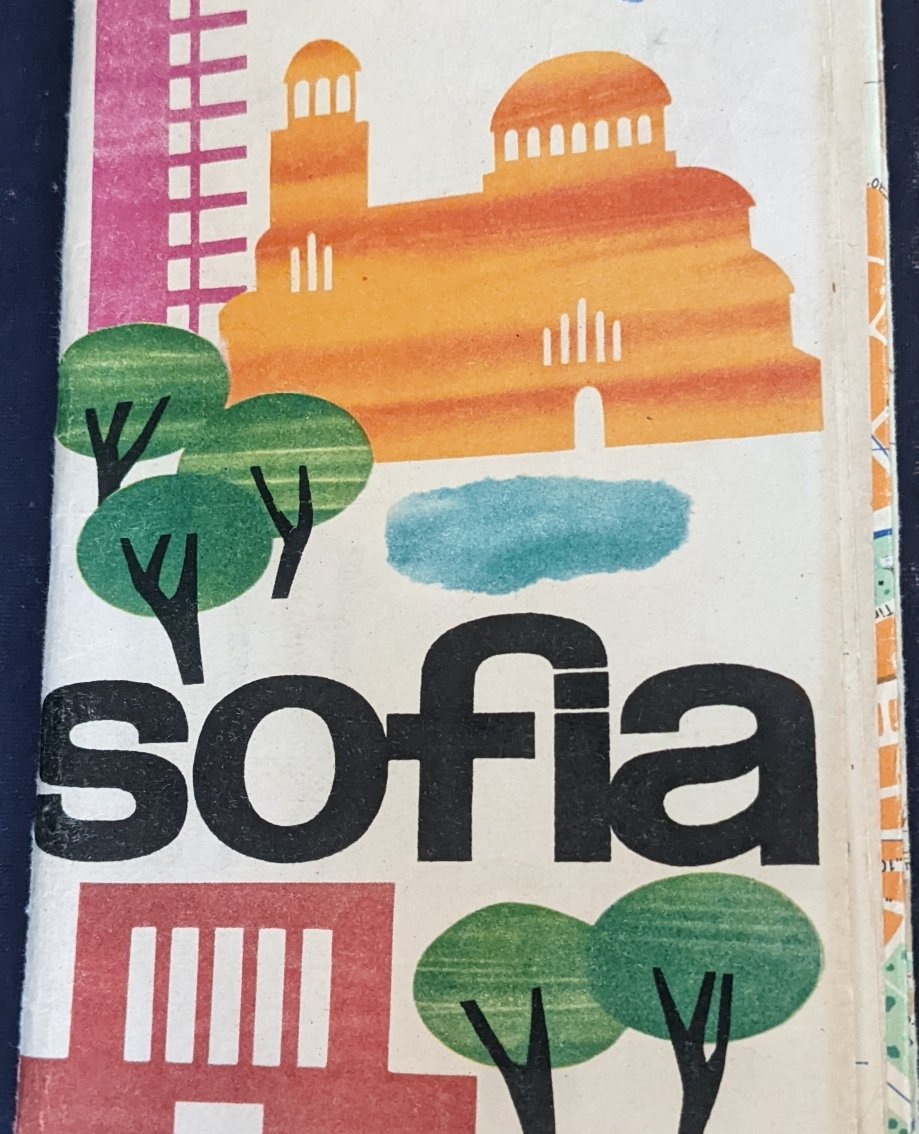
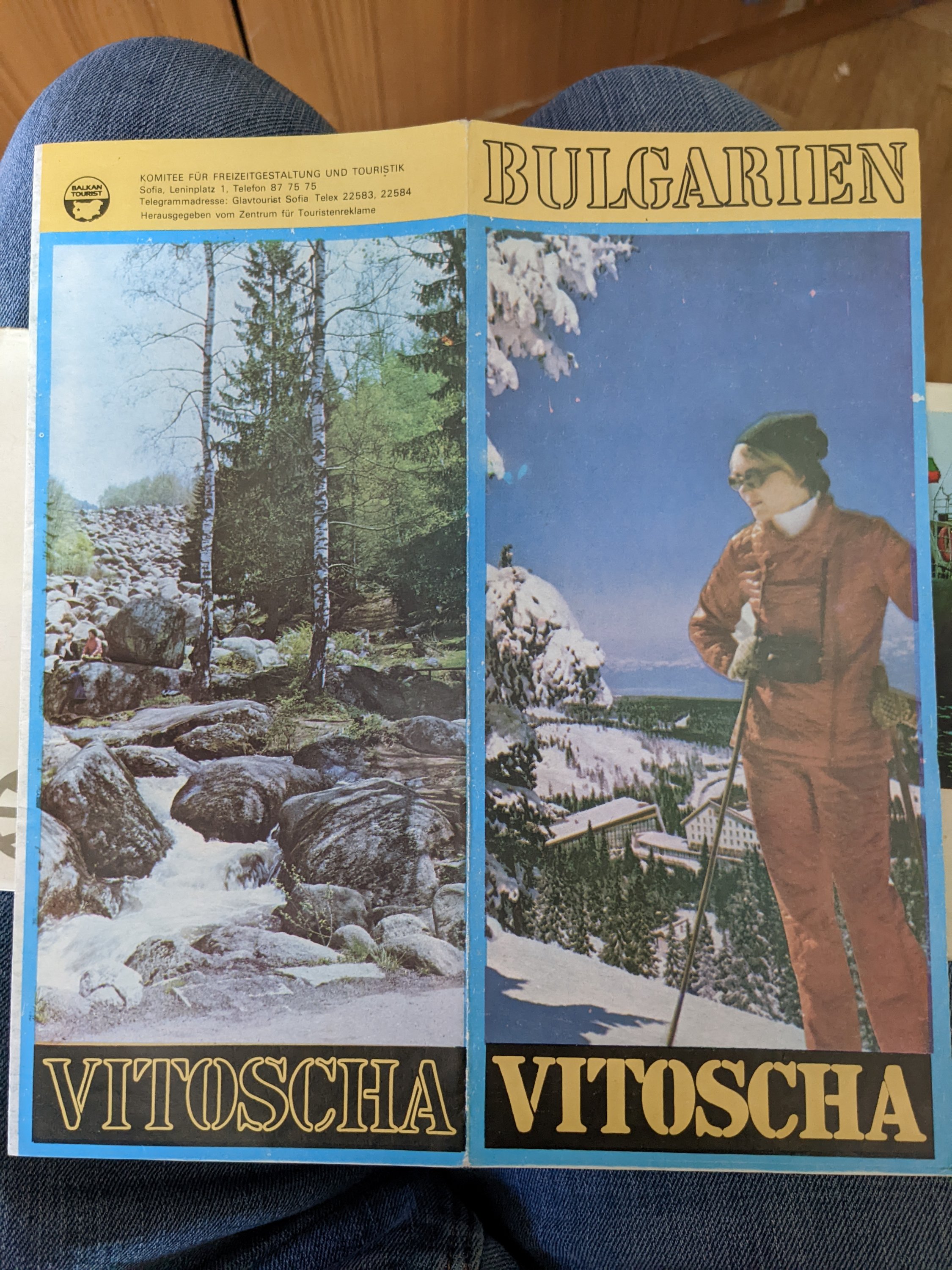
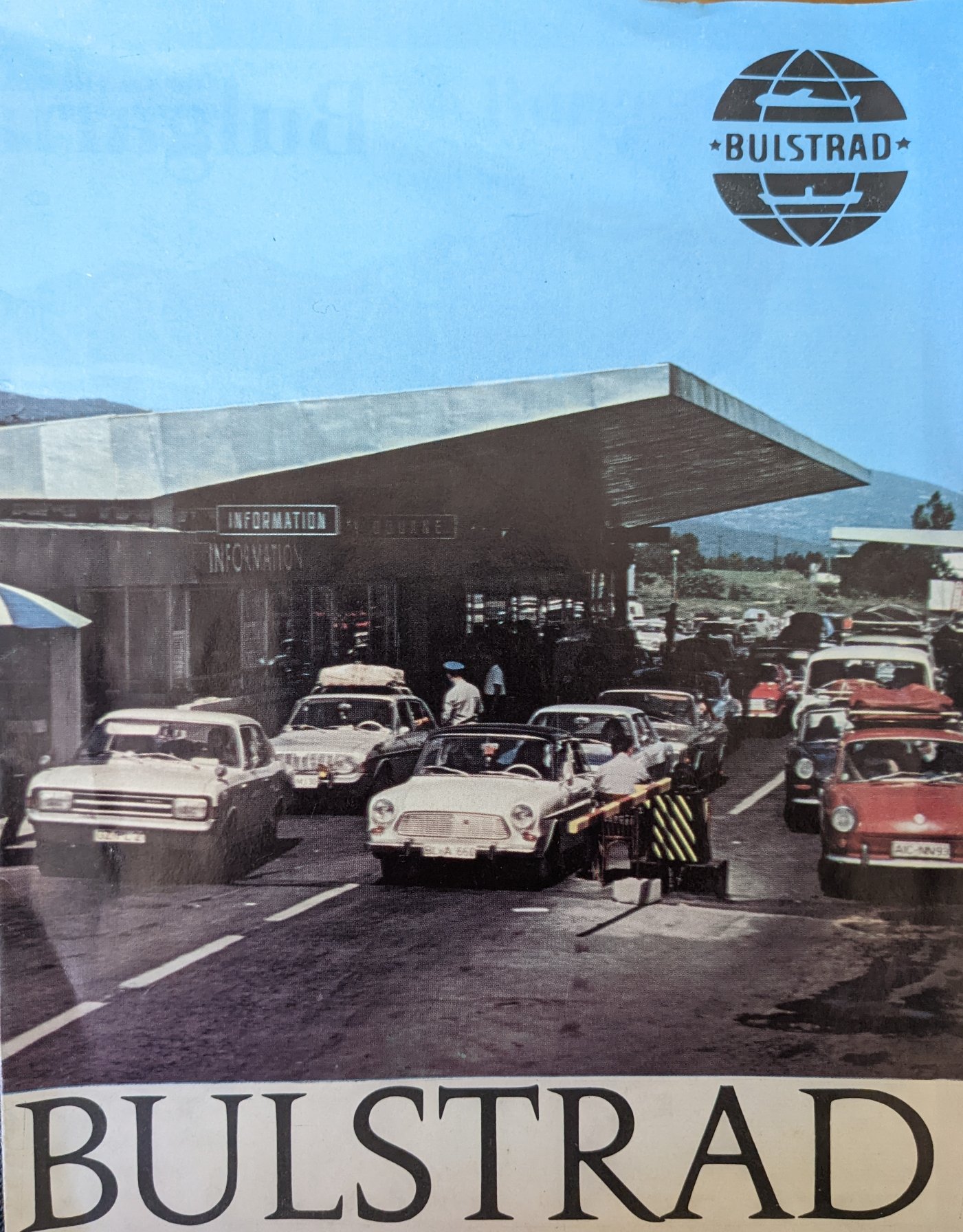
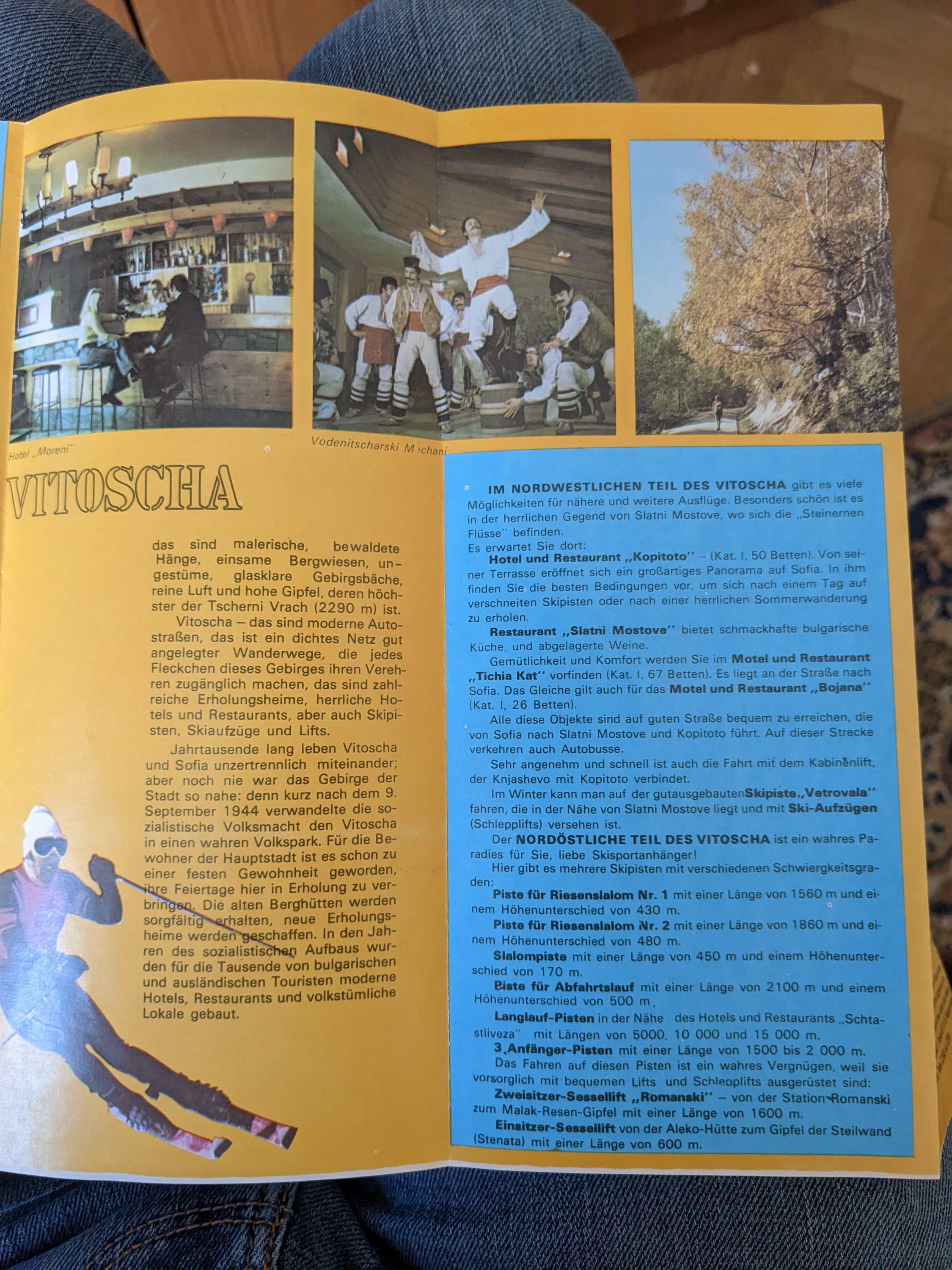
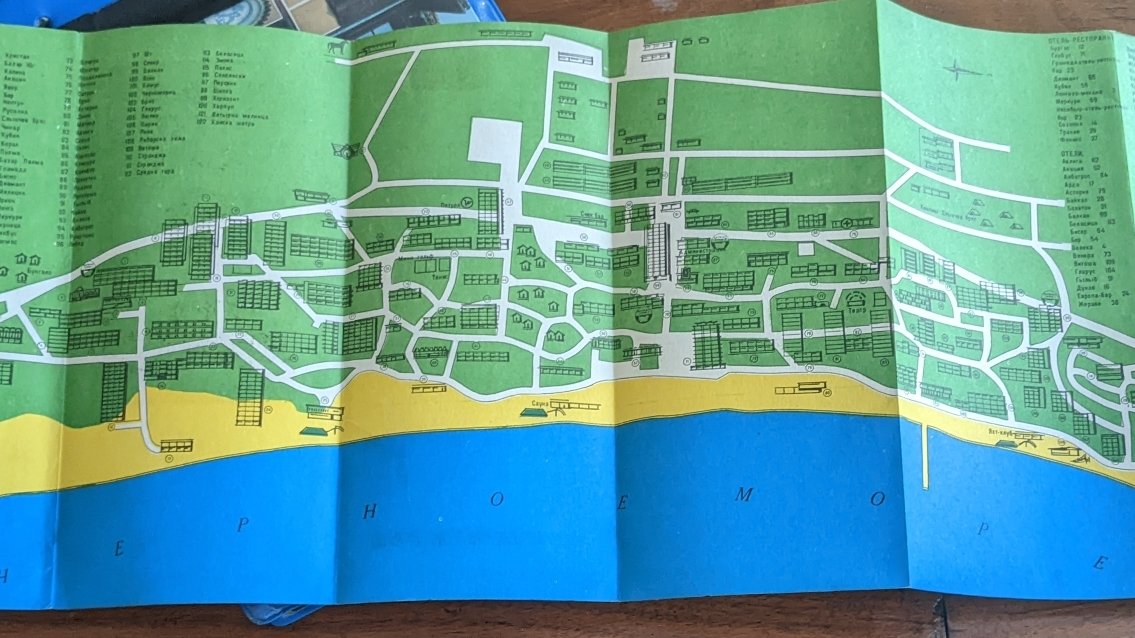
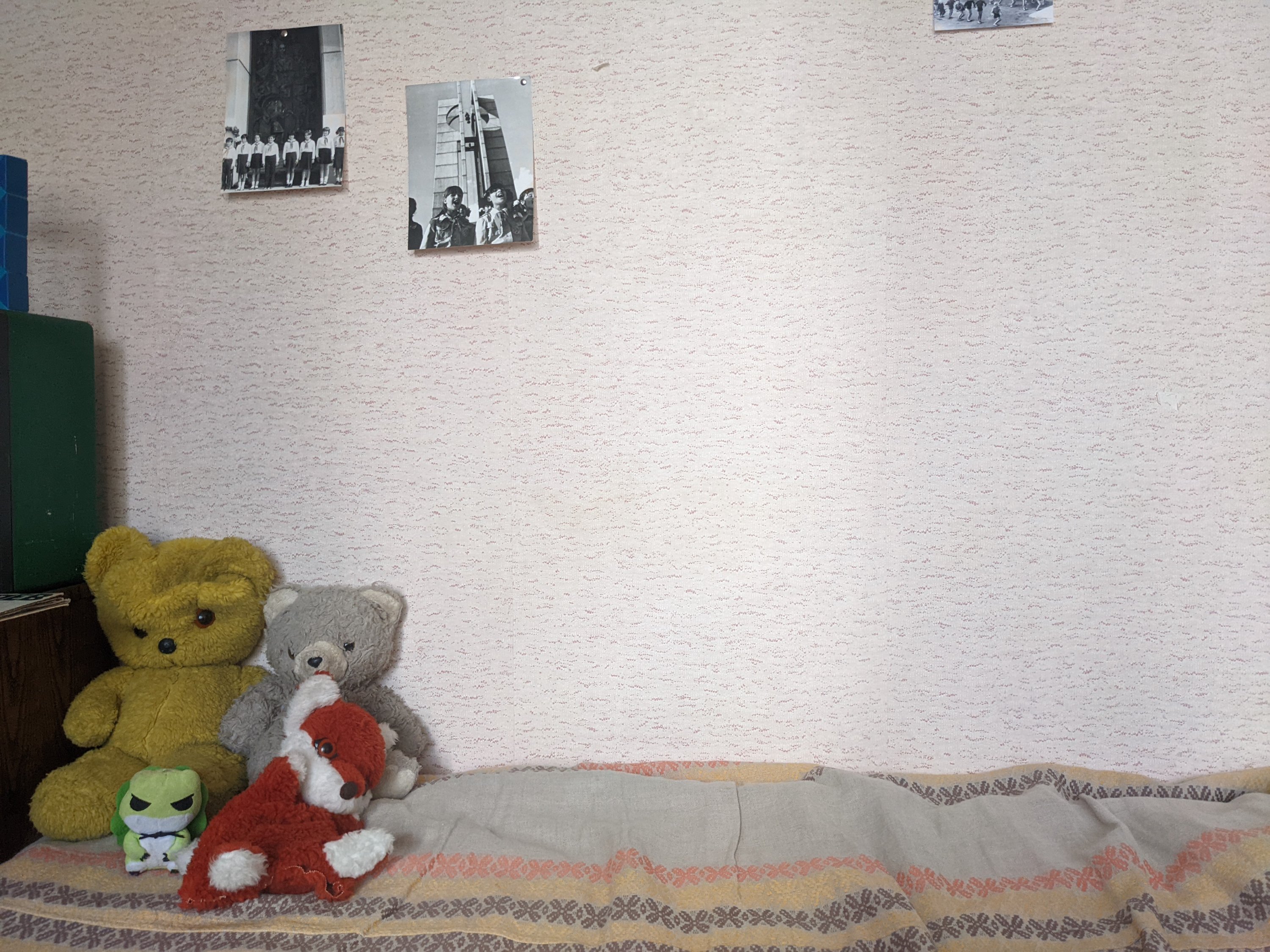
My favourite section is definitely the shelf of children’s toys and magazines. Did you know Bulgaria had its own answer to Lego? I spent more time than I should have done just looking through children’s comics from the 1980s – I couldn’t understand a word, of course, but the art was captivating enough.
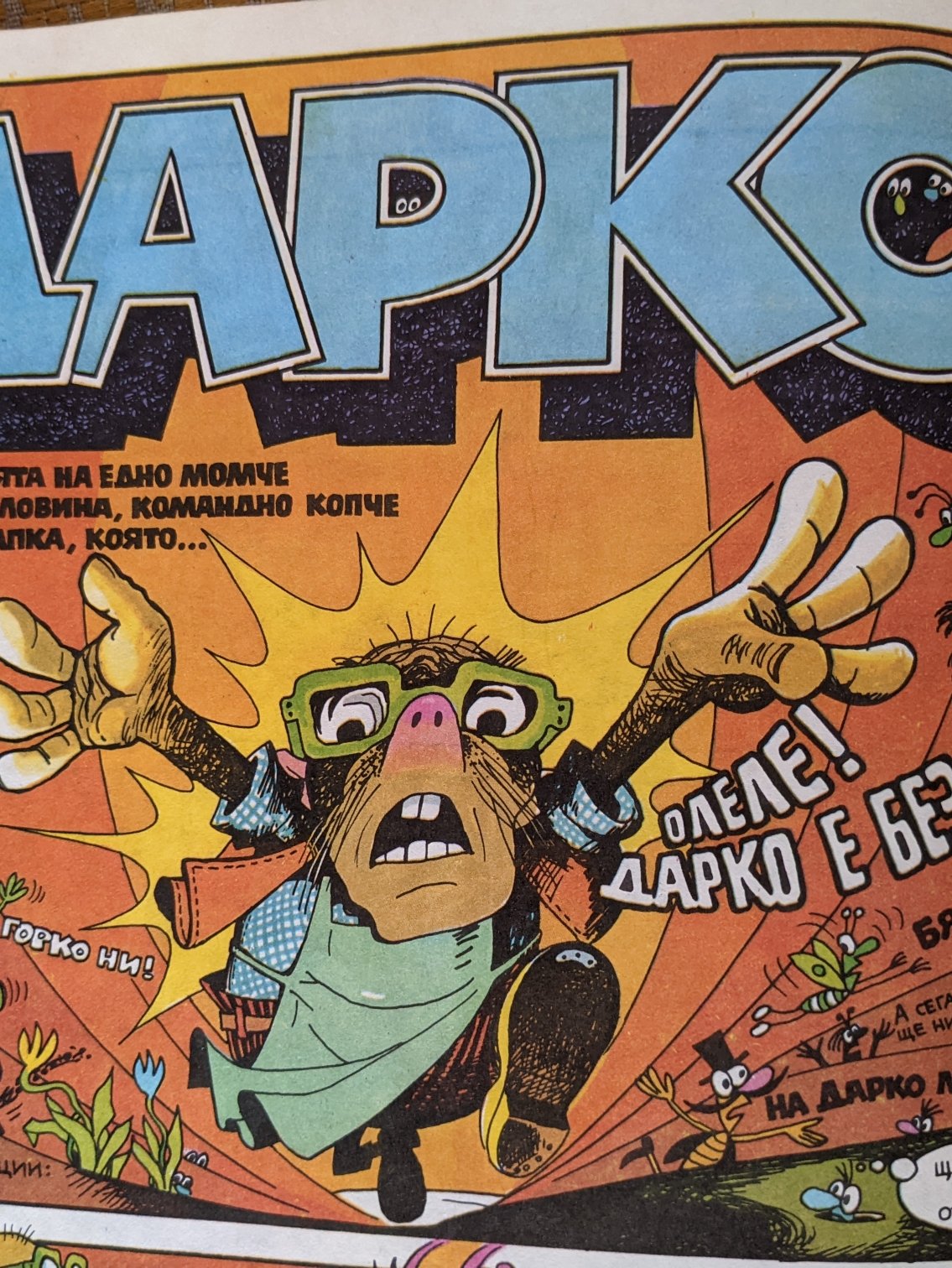
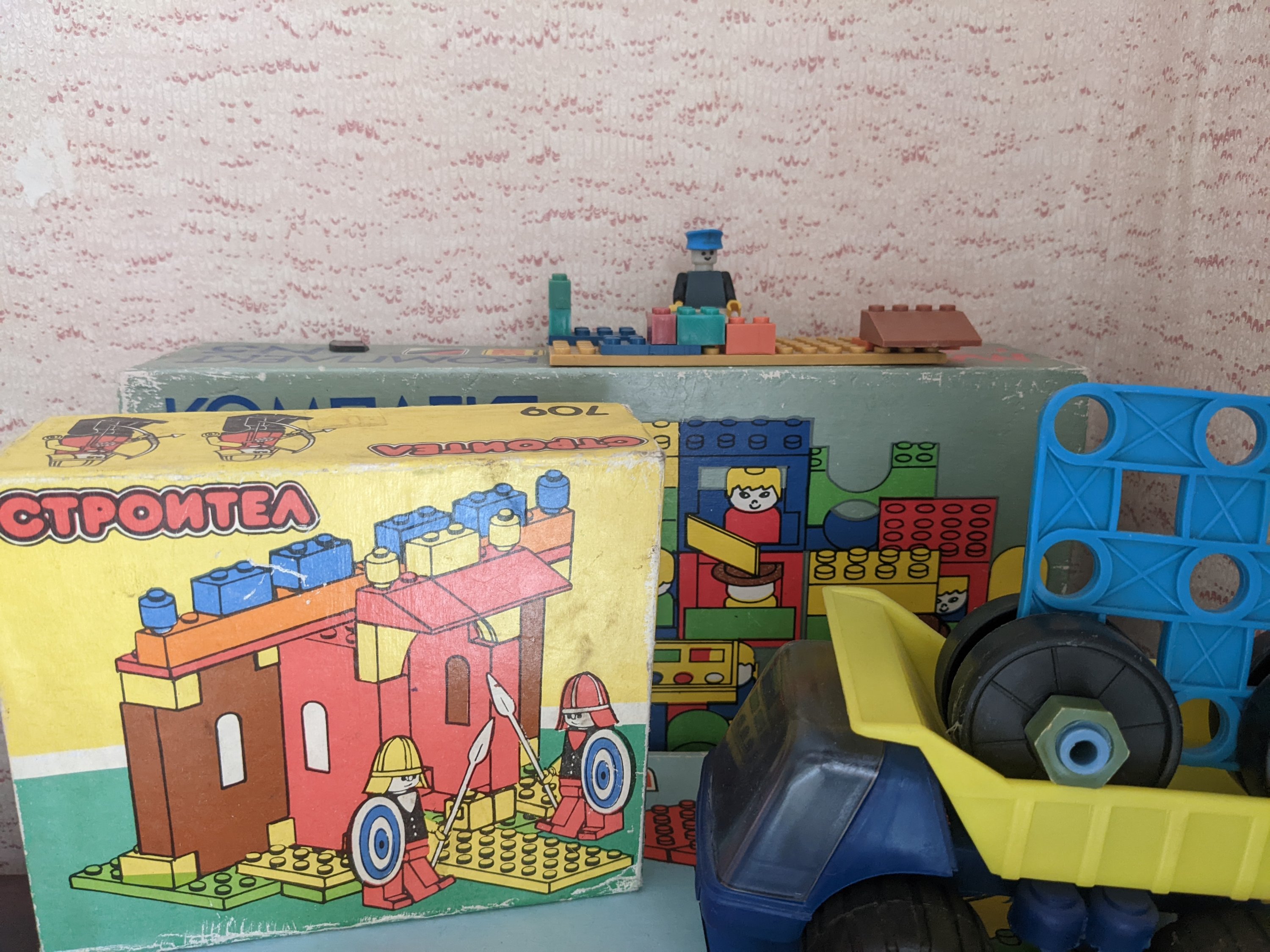
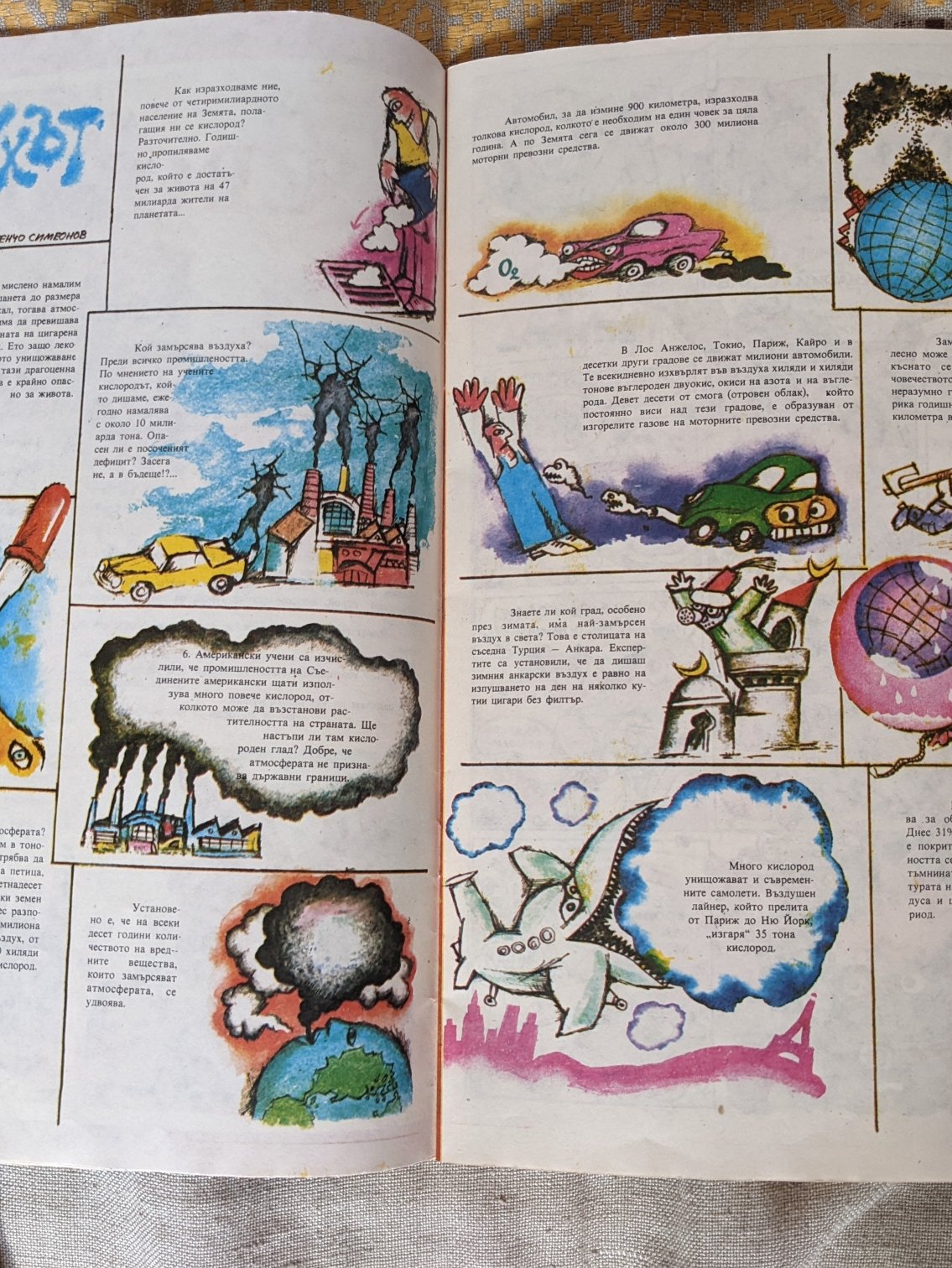
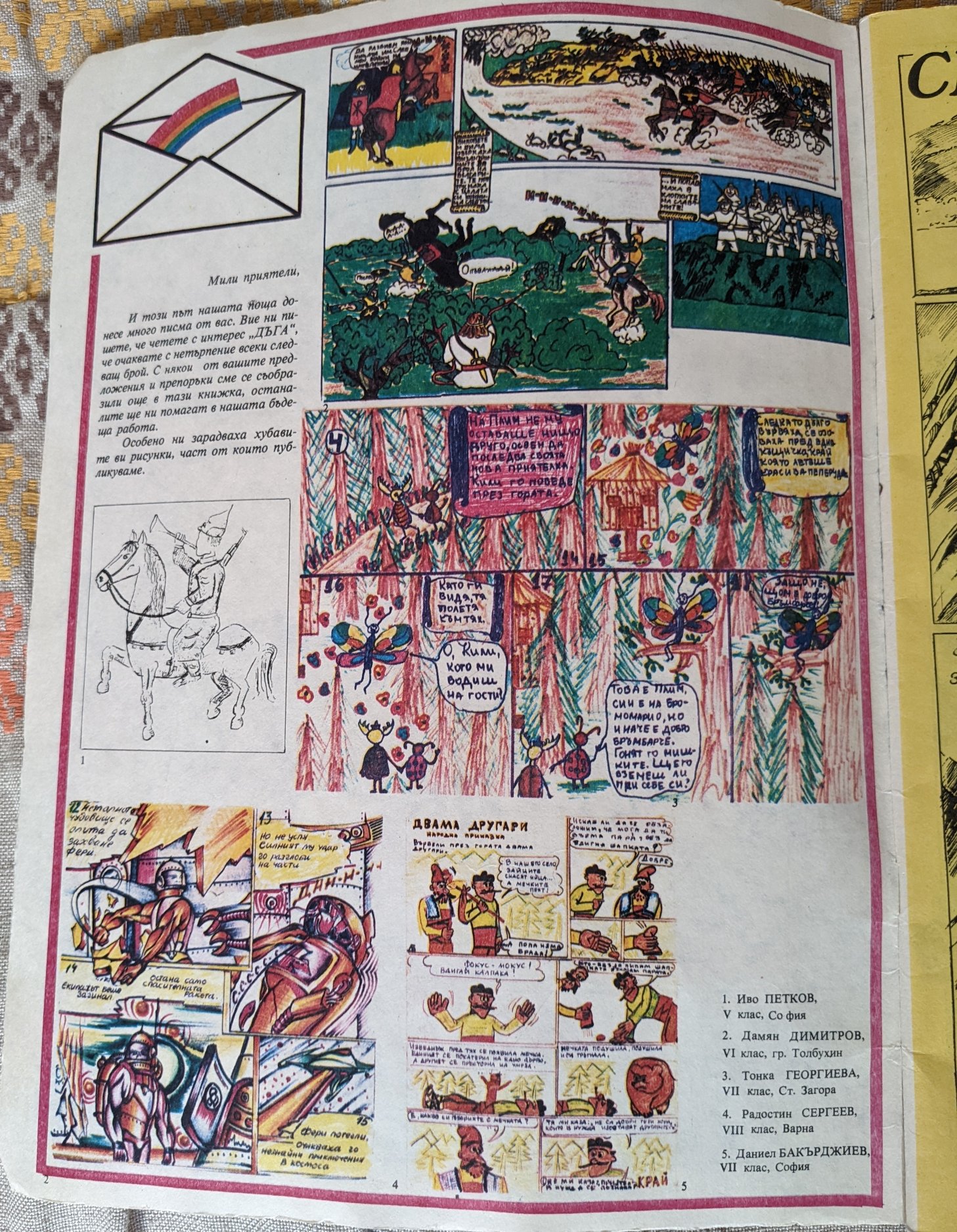
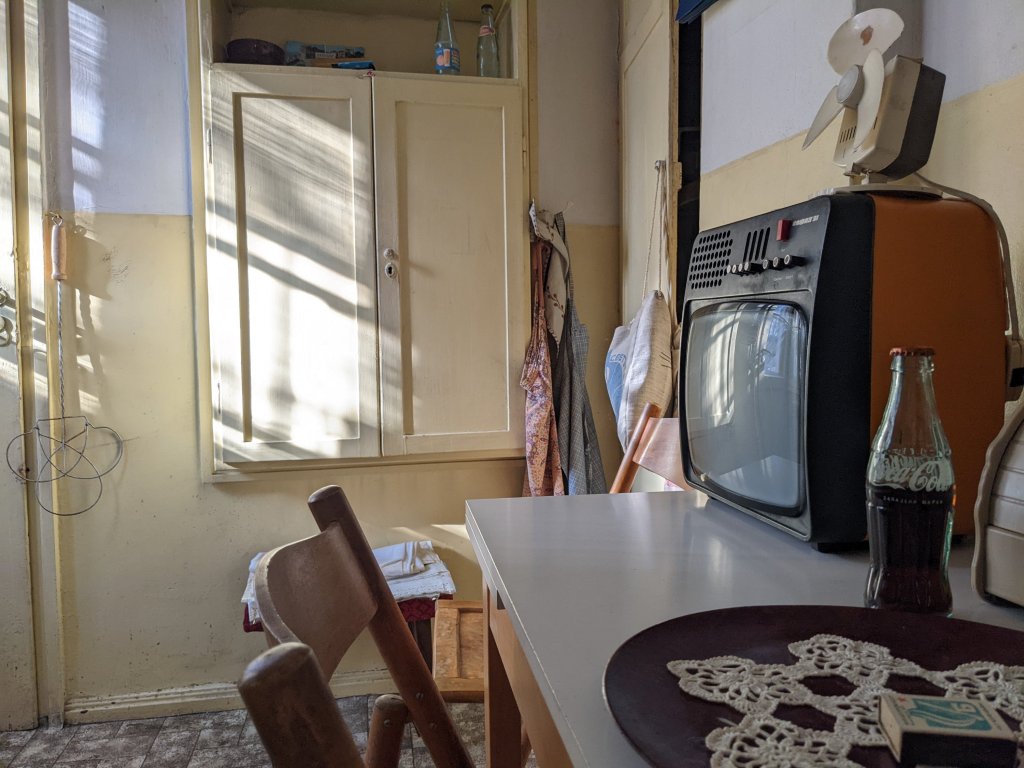
It wasn’t until I looked at the provided map that I realised I hadn’t explored the other half of the apartment. The kitchen is genuinely pleasant, with old calendars on the wall and big windows letting in the sunlight. And yes, you can also go through everything in the kitchen cupboards too (but you can’t eat the food).
I spent an hour rifling through cupboards, photo albums and bookcases before my friend’s conversation with our guide came to an end and a new group arrived. I begrudgingly left, having not even touched many of the shelves or tried the audio guide.
How was it?
I’m about half way through my Bulgaria trip as I write this, but so far I think the Red Flat has been the best thing I’ve seen. As a museum with roped off rooms it would have been a quirky little place showing the private lives of Bulgarians in the 1980s. But by letting visitors rifle through bookshelves, play with children’s toys and step out onto the tiny balcony, I found myself more immersed than any guided tour could have achieved.
I can’t recommend the Red Flat enough – the only thing that I think would ruin it would be if it was too busy. The current limit is fifteen people, which in a tiny flat would make things rather crowded. If you can go early in the morning or during an otherwise quiet time, I think this is the best way to experience this one of a kind attraction.
Final Rating – 5 Blocks of Flats out of 5
🌇🌇🌇🌇🌇
Useful Information
- As mentioned earlier, Google Maps will point you towards the ticket office. Staff speak fluent English and card payments are accepted. There’s lockers and toilets you can use in this building too.
- Because it’s an old block of flats, as far as I could see there’s no disabled access. I assume that you can’t actually use the Communist era toilet in the flat itself.
- There’s an audio guide if you want a structured tour, but you can also just explore for yourself.
- There’s a lot of books, leaflets and other reading material in the flat, but obviously it’s in Bulgarian – if you know someone who speaks it you might want to bring them along to translate for you.
 ☕🐸Coffee Frog Travel Blog🐸☕
Leave a comment