Context!
Apologies for not posting in the last few days! I’ve been gathering my thoughts on what I’ve seen and my overall thoughts on Bulgaria but I’m excited to do some more writing. I’ve still got 2-3 more posts planned, don’t worry!
It was the 1990s, Communism had just fallen, and Bulgaria had a problem. It was one shared by many Eastern European countries at the time – “We’ve established democracy, yes, but what do we do with all the big statues of Lenin we have everywhere?”.
In the People’s Republic of Bulgaria, as everywhere in the Eastern Bloc, the ruling party constructed memorials – sometimes subtle, sometimes massive – to figures associated with the Bulgarian revolution, people more broadly associated with Marxism, or sometimes just general tributes to women labourers or Soviet soldiers. Even tiny rural villages often had a mural, or bust, or a rusting piece of military equipment sent their way. The Communist period lasted for over four decades, so the Party had plenty of time to leave its mark.
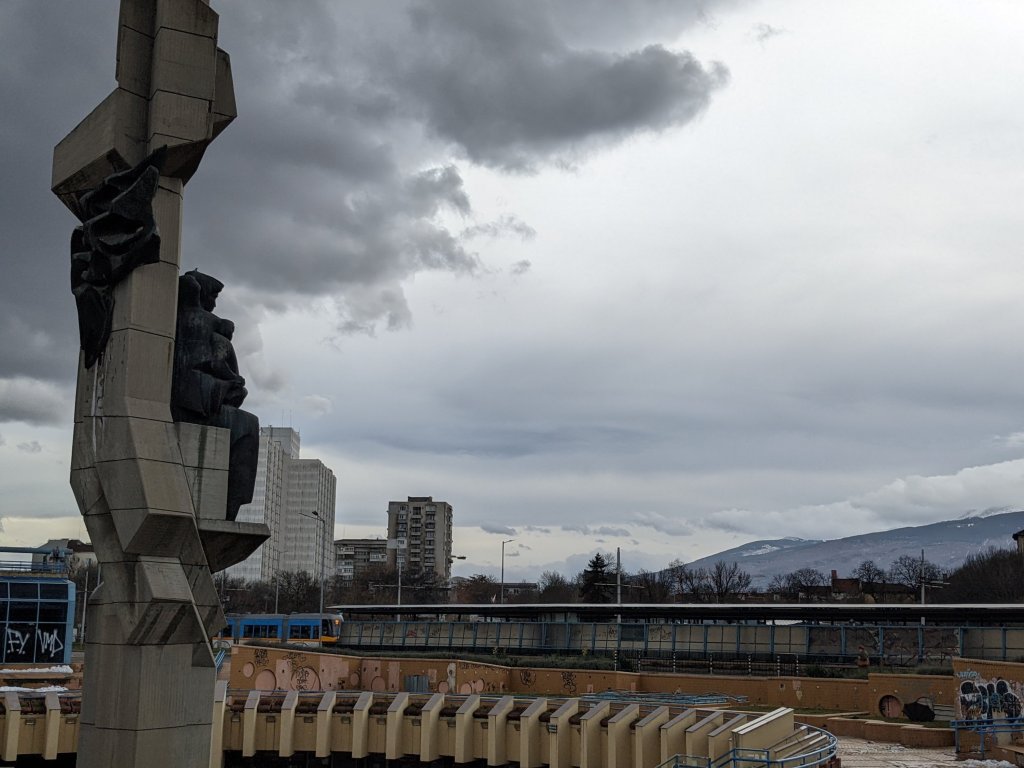
After the fall of Communism, opinions were mixed – some believed the statues were the leftovers from a repressive regime that should be turned to rubble, while others saw them as problematic but still holding artistic merit. In Bulgaria at least, the general populace doesn’t seem too concerned about leaving iconography from a former regime on display – Sofia’s main railway station has a horrific eye-catching brutalist monument right outside. Compared to places like Poland or the Baltic countries, Bulgarians don’t seem to be rushing to replace them. Or perhaps EU funds earmarked for this exact purpose keeps being filed away in Swiss bank accounts, from what I’ve been told.
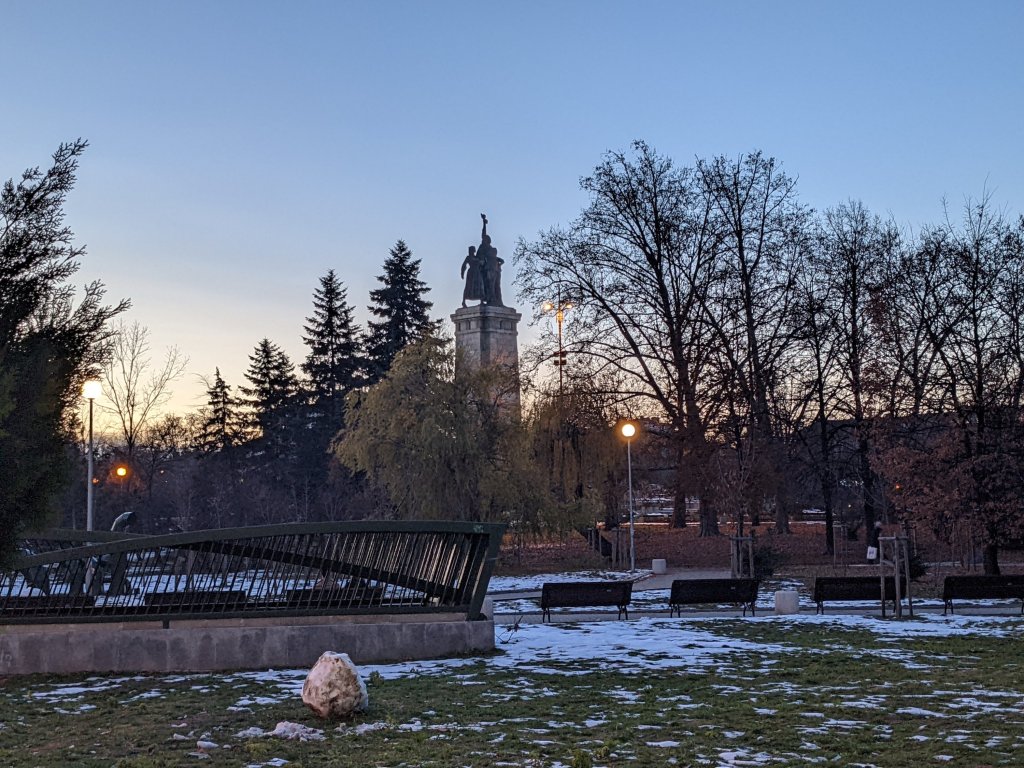
Nonetheless, as far as I can tell the worst offenders have been taken down. Sofia and Plovdiv both seemed Lenin free, The overbearing reminders of an ideology that’s now (mostly) rejected by Bulgarians. A lucky few of these unloved statues have been retired to the Museum of Socialist Art, located in the outskirts of Sofia. I paid a visit there on a cold Friday morning before our train back to central Bulgaria arrived – having visited, I can say this graveyard to a long-dead regime is still worth a look.
What it’s like
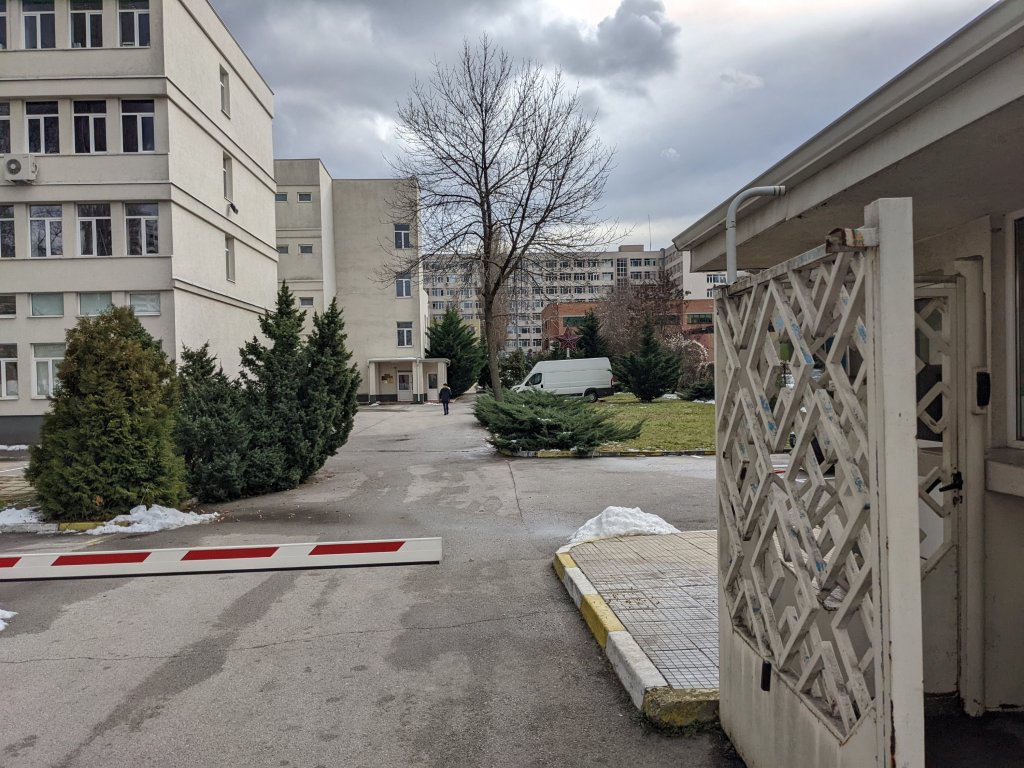
My immediate impression of the Socialist Art Museum is that it’s a lot more obscure than I’d imagined. I had in my head a modern, prominent building with lots of galleries and displays. A museum that would be obvious from the moment you found it. A big sign pointing itself out at least.
Arriving at the location on Google Maps, I was a bit let down. I could see the huge red star and at least one giant statue of Vladimir Lenin, but somehow I still wasn’t sure I was in the right place. I couldn’t see any obvious signage. Was this a different museum? Did it close down? I lingered outside hoping someone else would walk in or out. Plenty were interested in the nearby lottery stand, but no takers for Soviet-era monuments.
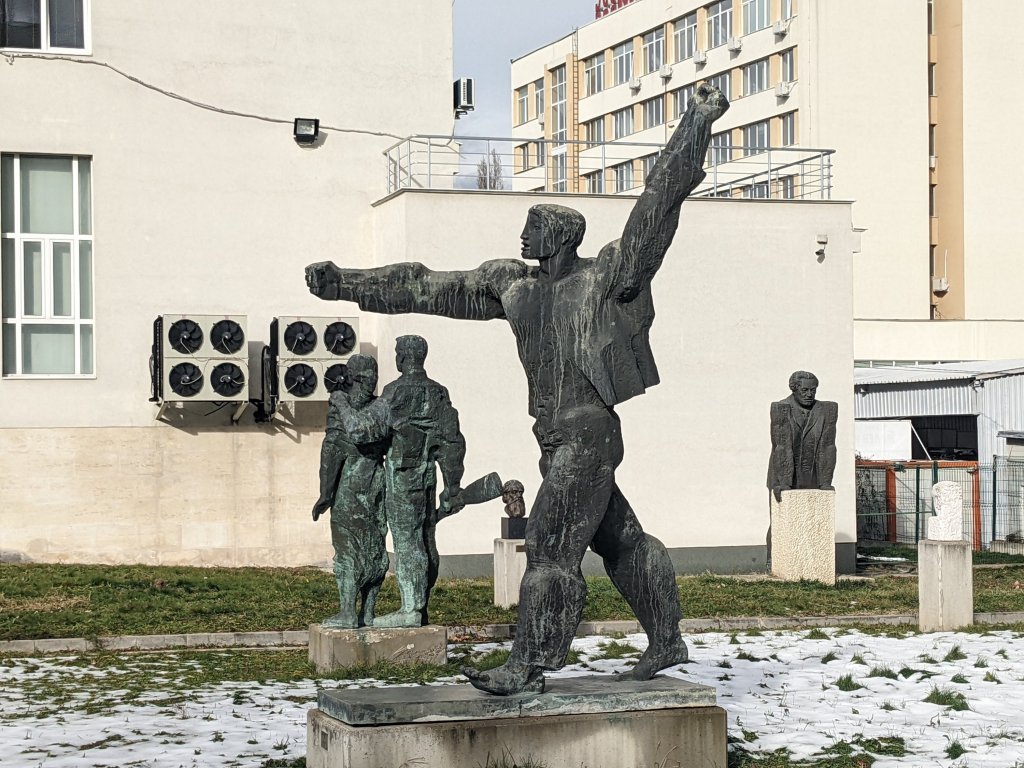
Would the guard at the checkpoint know what I was talking about? Playing the ‘oblivious tourist’ card, I decided to just walk towards the monuments in the most obvious way possible. Fortunately nobody stopped me. In fact nobody was there at all. I walked through the complex up to the star, like an Oriental Prince. Past a hedge, I stood in the snow covered garden, alone but for an array of statues from a bygone era.
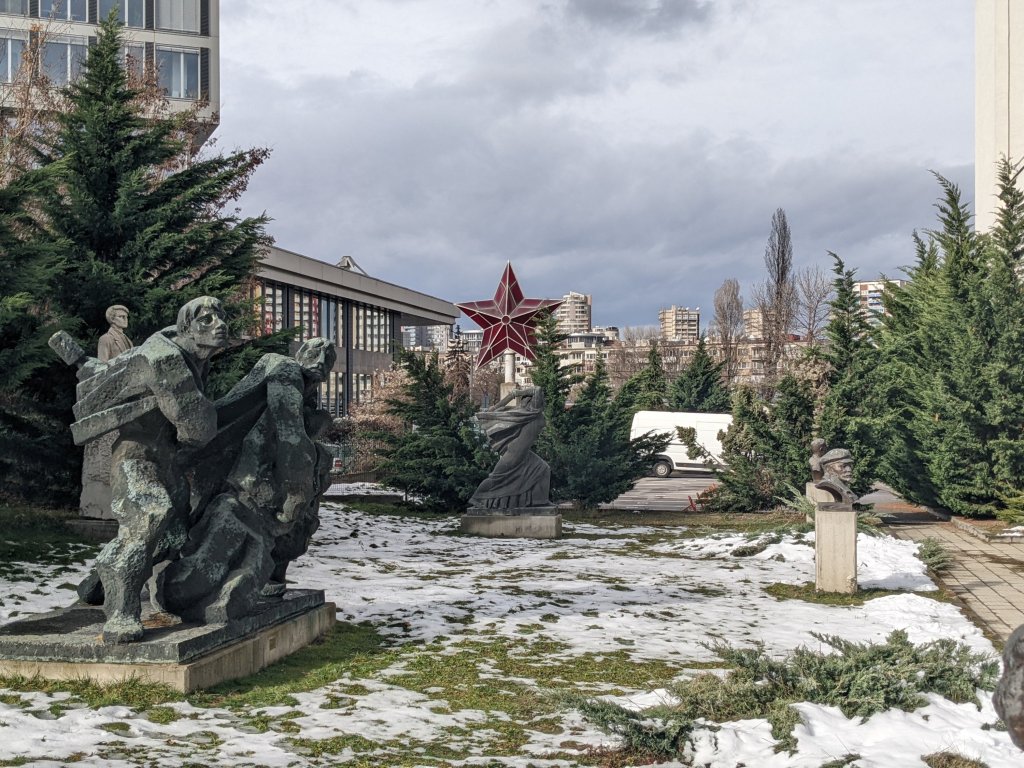
Perhaps because I was visiting in the middle of winter, nobody was about – I couldn’t see any staff or other signs of human life. Was I even meant to be there? I felt like I was in a bizarre private garden. But no, this was it. The Socialist Art Museum. It feels very strange but let’s have a wander.
There’s a complete lack of barriers in the sculpture park. No fences. No “keep off the grass” signs. No velvet cordoning off visitors from the art on display. Although they’ve been saved from immediate destruction, you’re still free to get right up to the sculptures and touch them if you like.
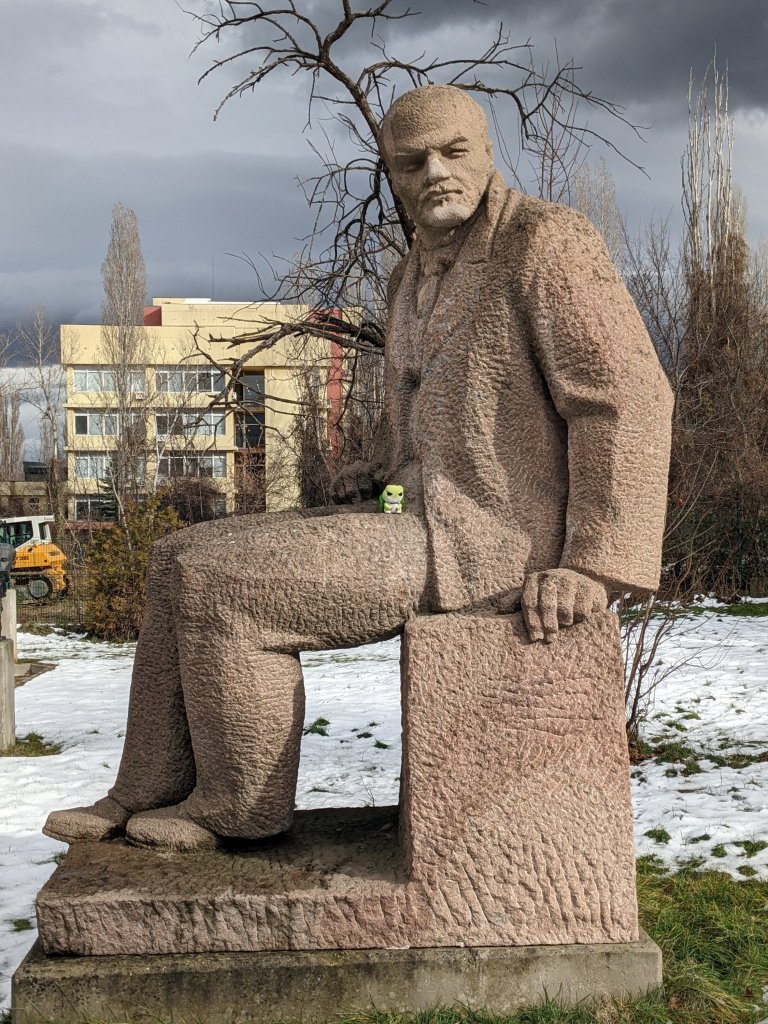
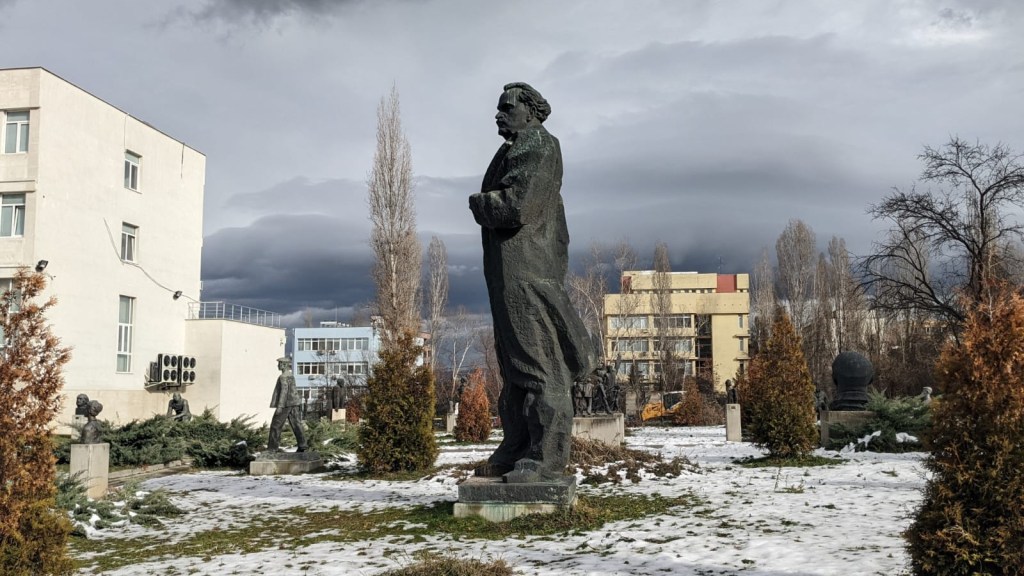
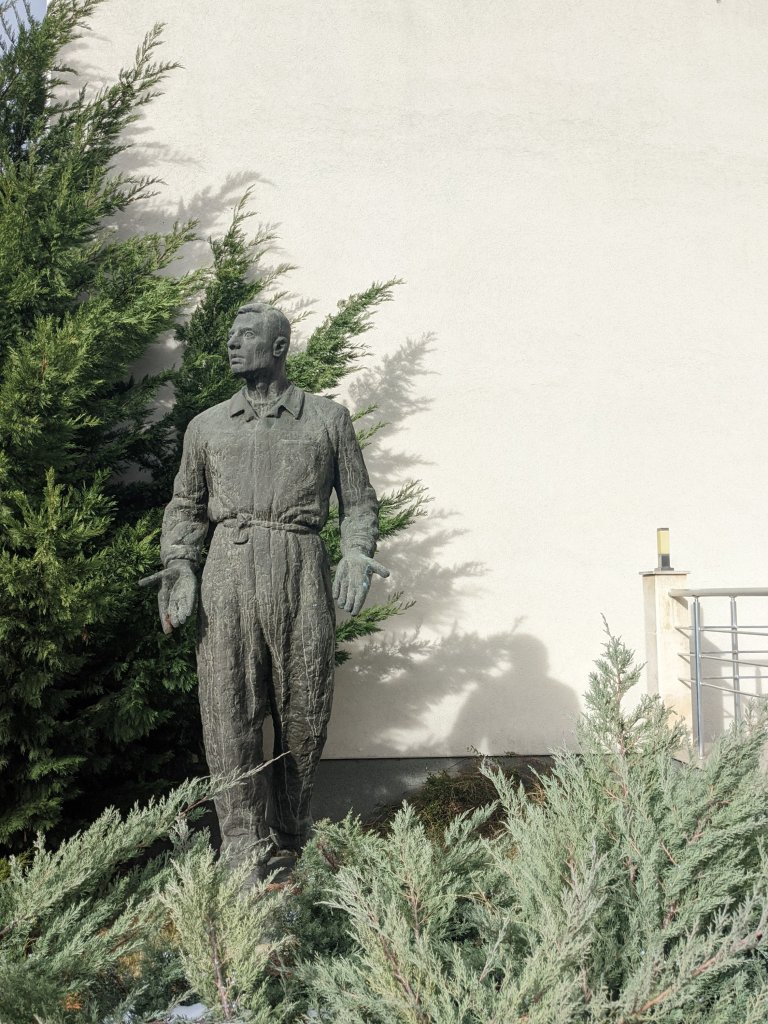
Although you’re free to look around and take pictures, as I explored more of the outdoor museum, I realised that as an educational resource the park isn’t particularly informative. There’s small plaques giving the name of the person depicted, the date it was constructed and where it was originally located – but otherwise you’re left to interpret them yourself. As an outsider it was curious sensation to see gigantic memorials of people I’d previously had no idea existed.
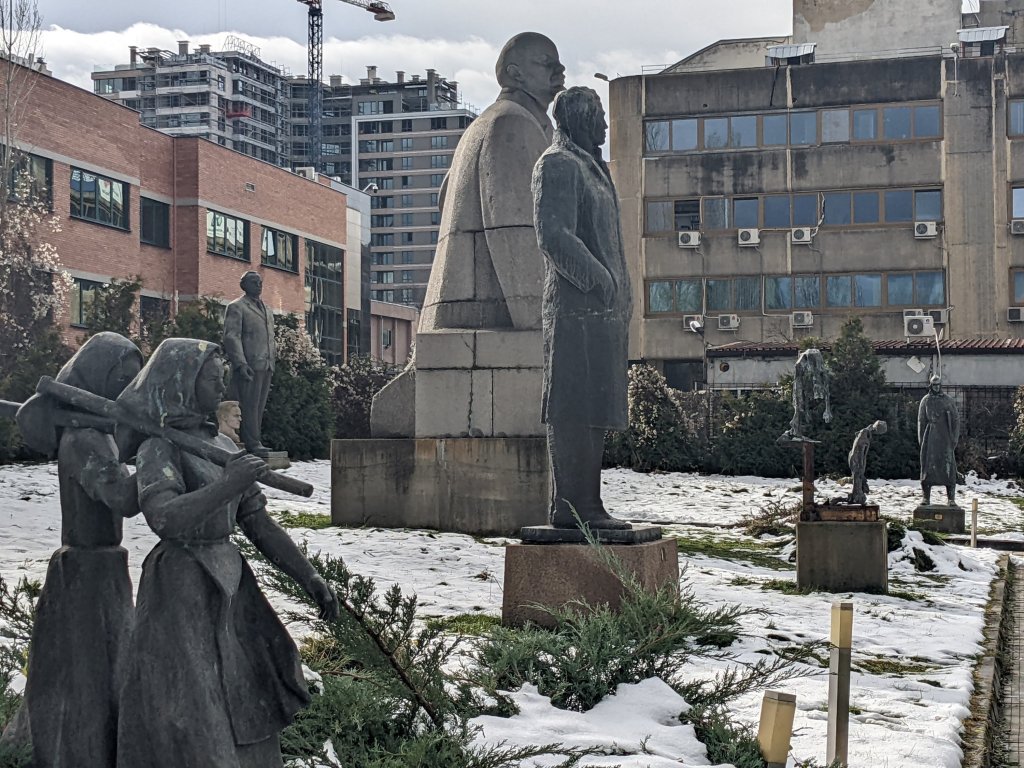
I’d expected a lot of Lenins in the park, and… well there is (including a massive Lenin head), but there’s also more here than just the colossal statues of party leaders. There’s smaller scale tributes to now-obscure members of the Bulgarian Communist party, lively depictions of the proletariat in action, and even busts of leaders from allied countries far away from the Balkans. I was surprised to find a bust of Vietnamese freedom fighter Ho Chi Minh, but it turns out he actually visited Bulgaria for a few days in the 1950s. I wonder how he found the food.
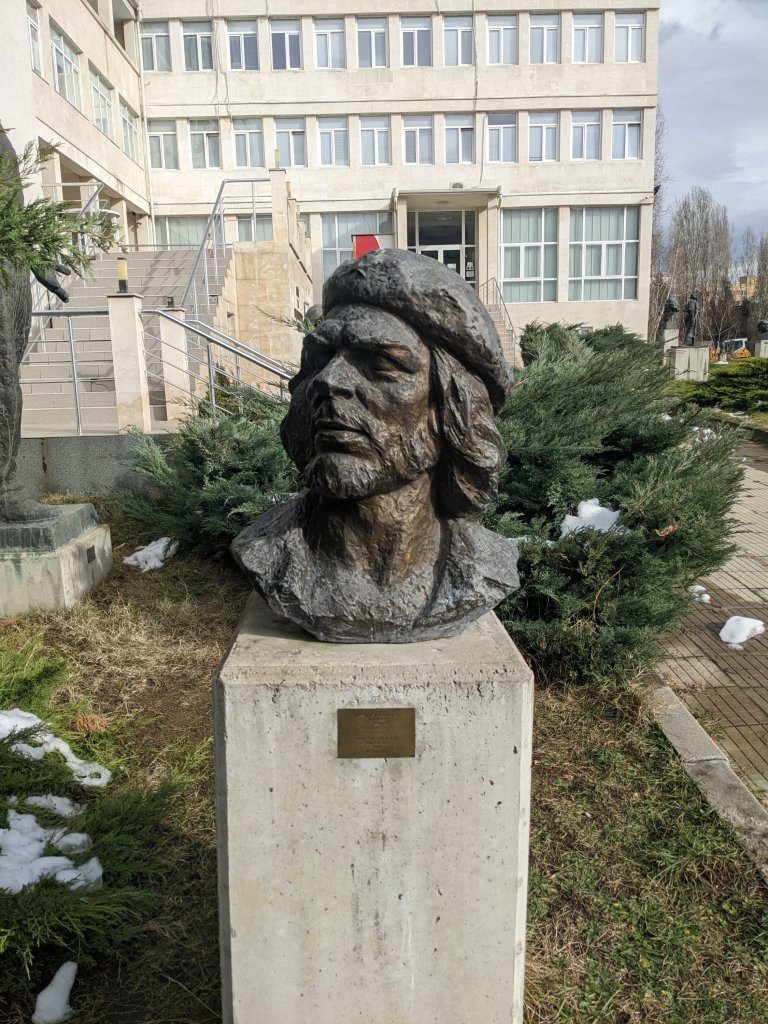
Other parks of this kind exist across Eastern Europe. It’s a decent way of meeting pro and anti statue groups in the middle – the statues themselves are saved, but they’re no longer publicly venerating people who have left… “controversial” legacies. I’ve heard arguments that similar places should be established for Confederate monuments in the United States, or even statues of colonialist figures in the UK.
Before I set up this blog I visited the rejuvenated Congo museum in Brussels. Previously they’d had some Victorian-era statues depicting incredibly racist views of the Congolese people on display. As they were historic items and couldn’t be destroyed, when the museum was finally renovated last decade, the sculptures were instead sectioned off into a dedicated room with detailed information on how the statues were essentially propaganda for King Leopold’s colonial empire. I wish the Sofia museum had similar commentary – I’d love to get more insight on why some of the sculptures were so abstract.
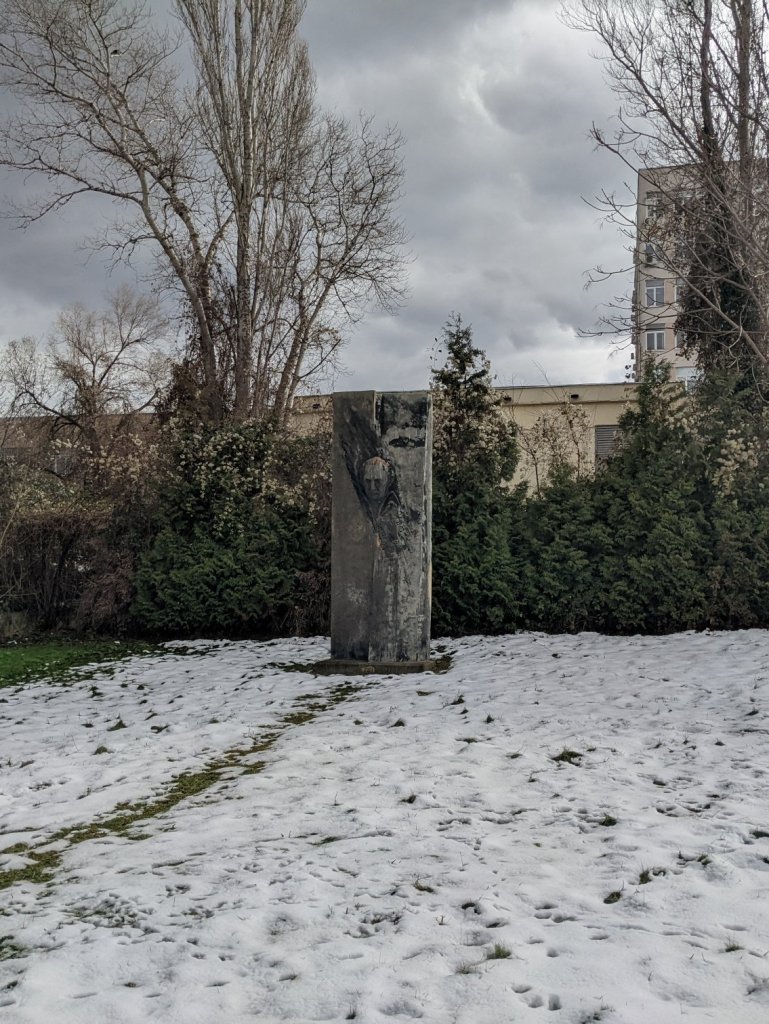
Another curious aspect of the park is the birds that call it home. I had the park mostly to myself besides a murder of crows and magpies using these former memorials to a brutal police state as perches. They make the sculpture park feel very eerie. Another avian resident I noticed was this brilliant green woodpecker. I wonder what brings an arboreal bird to the urban mass of Sofia?
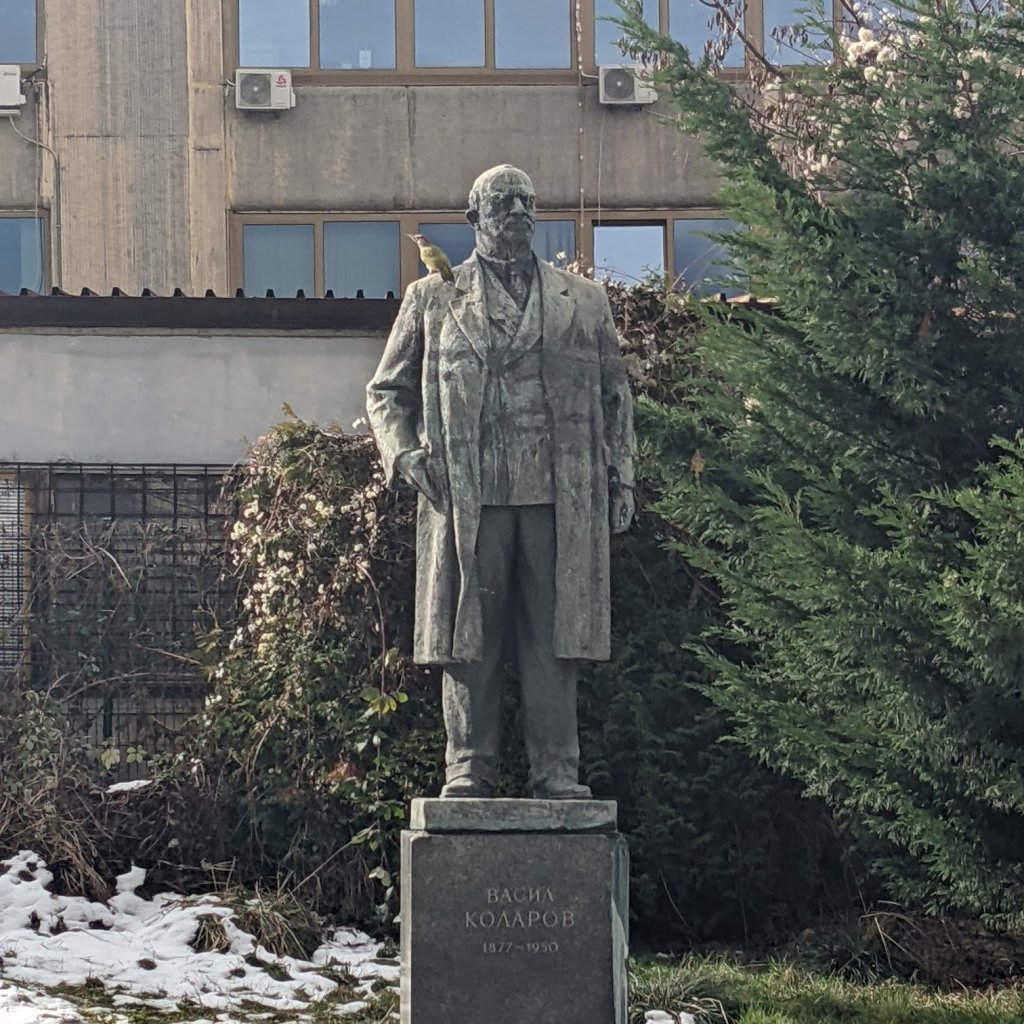
The woodpecker eventually flew off, and at this point I noticed someone new had appeared. A middle aged lady had emerged from a previously unseen door, eating something while staring at me. Was she another visitor? I made my way over and soon realised that she was actually the ticket seller – I needed to cough up a few levs. I’d been there for a good fifteen minutes at this point so buying a ticket felt more like an optional donation.
The lady indicated that there was an indoor exhibition, which I’d hoped would be historic displays of Bulgarian propaganda, or old busts that were taken out of public buildings. Apparently this was the case at one point, according to TripAdvisor. But at time of writing it’s now… a contemporary photography exhibition? It left me confused – the work was really good, but none of it was relevant to the museum’s overall theme at all. Doing some research after the fact suggests this is only a temporary thing, but it’s still such a strange idea to put an exhibition about photographing Latin American migrants in a museum about Socialist Bulgaria. Hopefully the main exhibition will return in 2022.
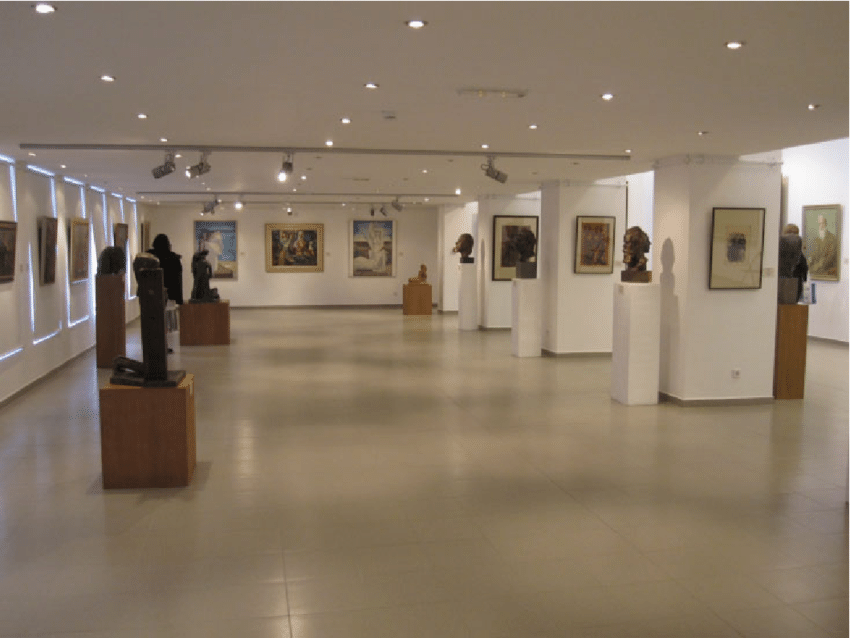
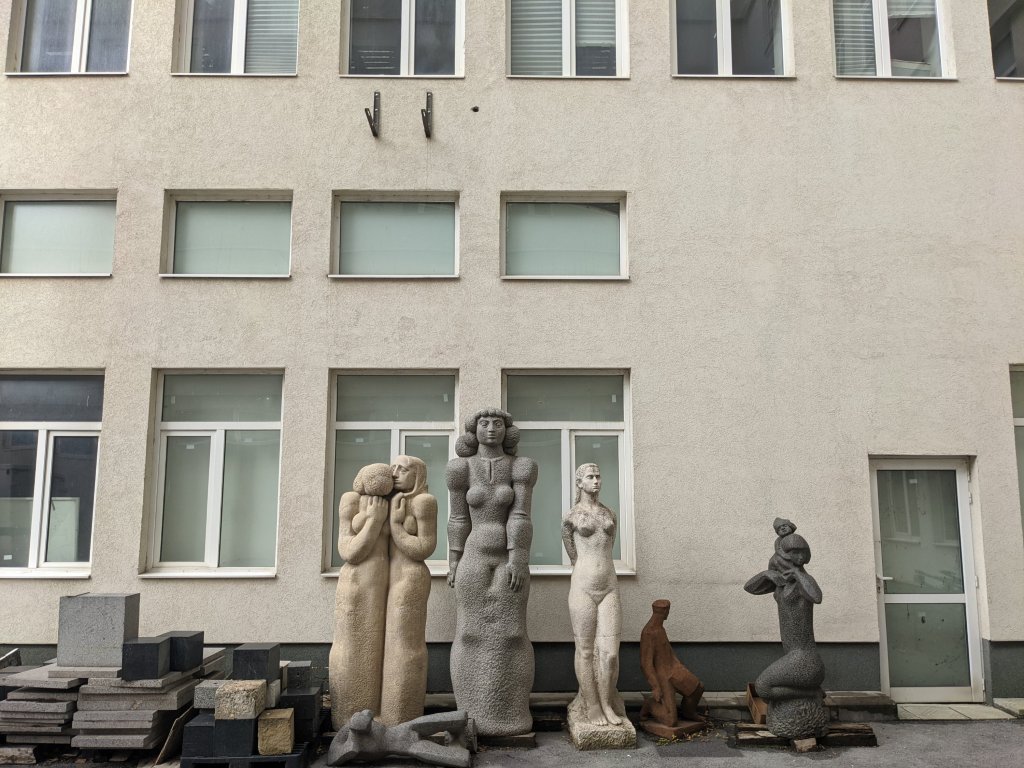
I spent a little more time wandering the statues before I left – I realised that there was a section I hadn’t noticed before, separate from the rest of the park. Hidden away in a nook of the larger building is a small collection of feminine statues. No information at all, or why they’re all women.
Checking online it seems they’ve been here for some time – why were all these statues of women not on proper display? There were a few sculptures depicting women in the main park, but it’s still odd that they haven’t done anything with these too. It was a strange way to end my visit.
Final thoughts
Truth be told, I initially was a little disappointed with the Sofia Museum of Socialist Art. The huge institution I’d been anticipating turned out to be… a rather unkempt sculpture garden. It was a bit of an anticlimax considering the museum was apparently opened by the Bulgarian Prime Minister himself. I was hoping for something like the DDR Museum in Berlin, a huge and lively collection of artifacts from a time gone by.
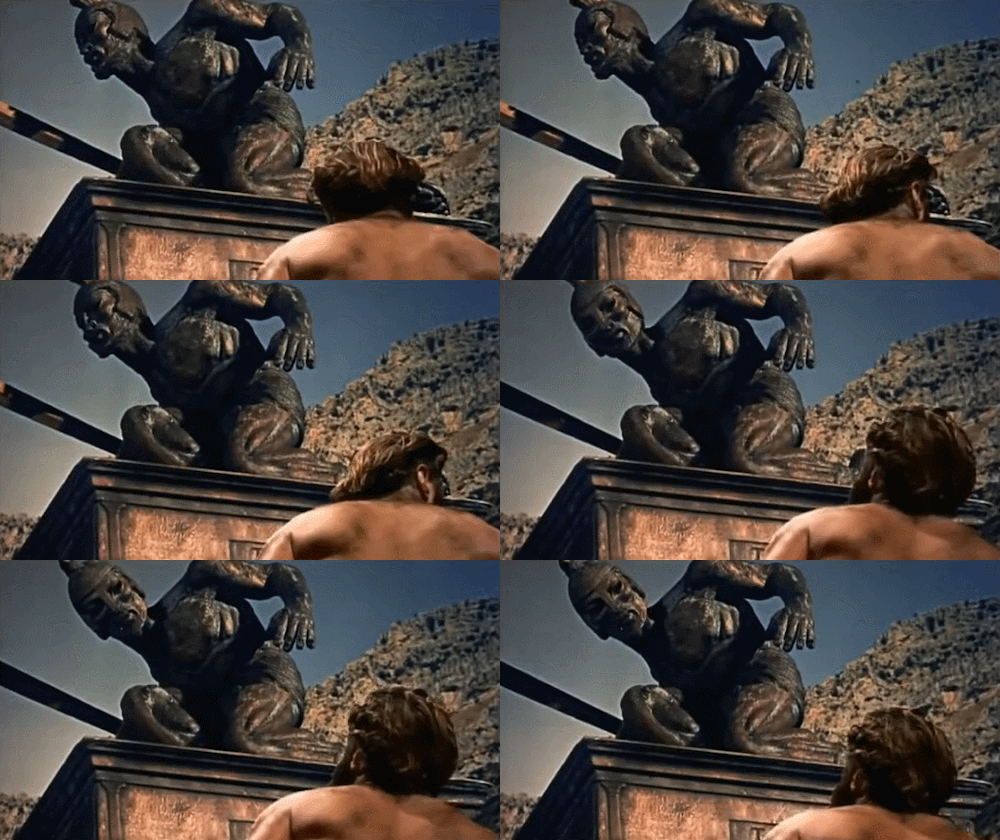
However, its relative obscurity actually gives the park some charm. Granted, I was there in winter so perhaps it’s more crowded in the middle of summer, but being alone and surrounded by overbearing monuments to a country that died before I was born is an eerie, yet calm feeling that I’ve not felt for a long time. It felt reminiscent of that scene from Jason and the Argonauts, at least before one of the statues came to life.
While I don’t idolise the Communist government Bulgaria had, I’m glad that some reminders of propaganda were kept for future generations. It’s important to understand the role that these statues played in reminding the citizenry of the dominant ideology of the time. Dumpy Party leaders are portrayed as larger than life Übermensch. Lenin essentially as a prophet. Imagine the influence these sculptures would have had on young children.
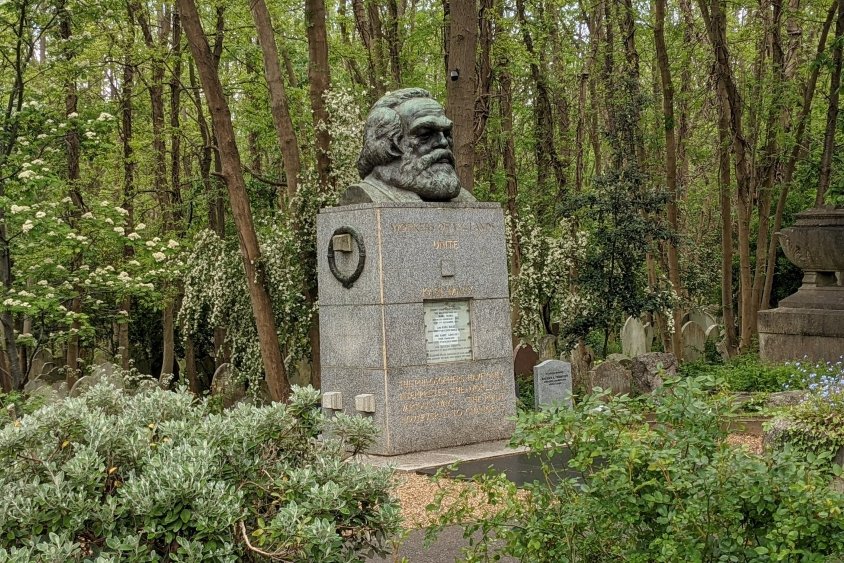
At the same time though, I do wish it was a little bigger, and perhaps in a more pleasant location. The current garden is quite small, awkwardly located and jammed between a construction site, an ugly office building and a modern shopping centre. It’s not exactly Highgate Cemetery in terms of atmosphere – I’d have preferred the memorials be in a forest or something, not a patch of land on the city outskirts.
There’s also the problem that the indoor exhibition, at time of writing, isn’t relevant to Socialist art at all which is disappointing, but again I don’t think that’s a long term problem. If you’re considering a visit it’ll probably be back to normal by the time you arrive.
Despite some major drawbacks I’d still recommend a visit to the Sofia Museum of Socialist Art, especially at a quiet time of the week. It’s a little rough around the edges, but as an eerie reminder of Bulgaria’s recent past it’s definitely worth the trek.
Final rating – 3 statues out of 5
🗽🗽🗽
Useful Info
- The museum is on Sofia’s outskirts but you can get there by metro. I got off at the G.M. Dimitrov stop and walked for about ten minutes.
- There’s a little gift shop in the ticket office selling a few books on socialist architecture, posters and some rather tacky t-shirts. There’s also a small room where you could watch Bulgarian propaganda films but I was a bit short on time to try it.
- I didn’t see any toilets, but there’s a shopping centre next door so you could just go there to do your business.
- There’s two billboards in the car park next to the sculpture museum – one in Bulgarian, the other in English – explaining the history of the park. I only mention this as I completely missed them going in and only noticed them as I was leaving.
 ☕🐸Coffee Frog Travel Blog🐸☕
Leave a comment