Context
The Museum for Former Political Prisoners in Prishtina is quite unique in Kosovo. Other Eastern European countries, like the Czech Republic, Poland and (what used to be) East Germany, are more than happy to use their authoritarian past to bring in tourists. Souvenir shops sell kitschy ushankas. Museums have entire galleries of communist statues. It’s partially a way to bring in foreign tourists, curious about the now-dead regimes, but it’s also a way to ensure that the crimes of these former governments are remembered.
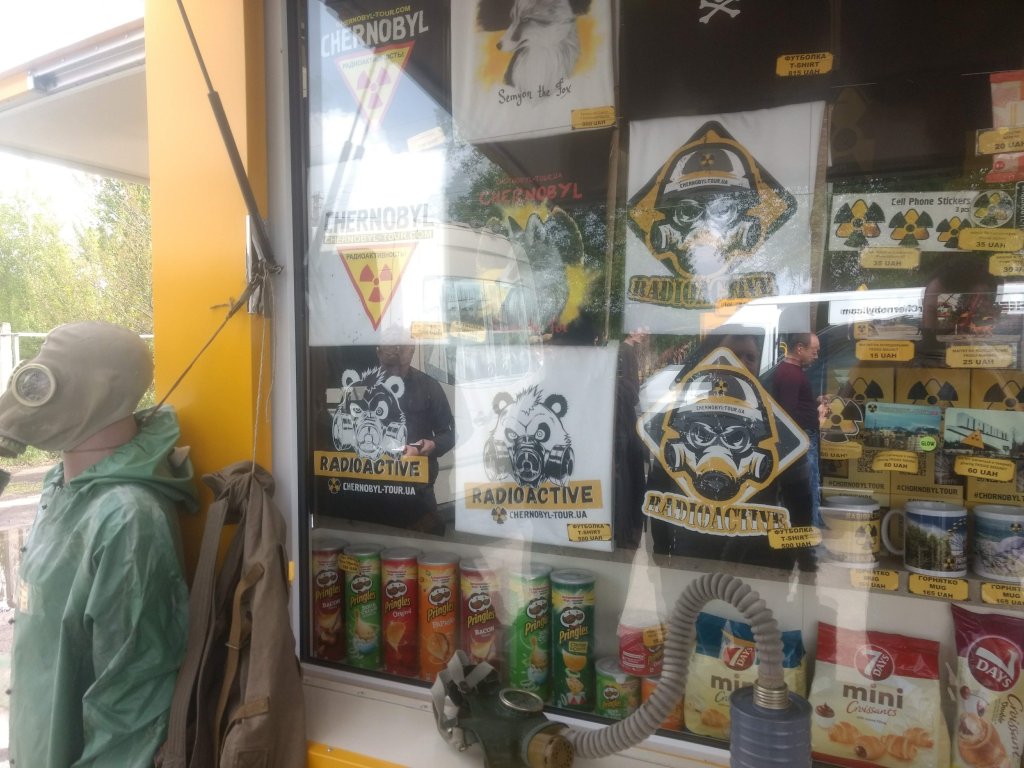
Kosovo is the first time I’ve visited a former Yugoslavian country, and I noticed that there’s little desire to remember the Tito years. Perhaps it’s because foreign tourism here isn’t very popular, but there’s no Museum of Communism, no Trabant tours, no giant murals left over from another era. Perhaps it’s because, for Kosovo, their liberation from their former oppressors was more recent than other countries – after all, Kosovo only formally declared independence fifteen years ago.
Details on any attractions at all in Kosovo are often scarce – the Lonely Planet guide I bought for the Balkans dedicates just 13 pages to the entire country. But Wikivoyage mentioned a Political Prisoners museum and this caught my attention. There wasn’t much detail, and just six user reviews on Google Maps. There’s no website, just a vague location. Still, I was curious. On my last day in Prishtina, I set out to find it.
What it’s like
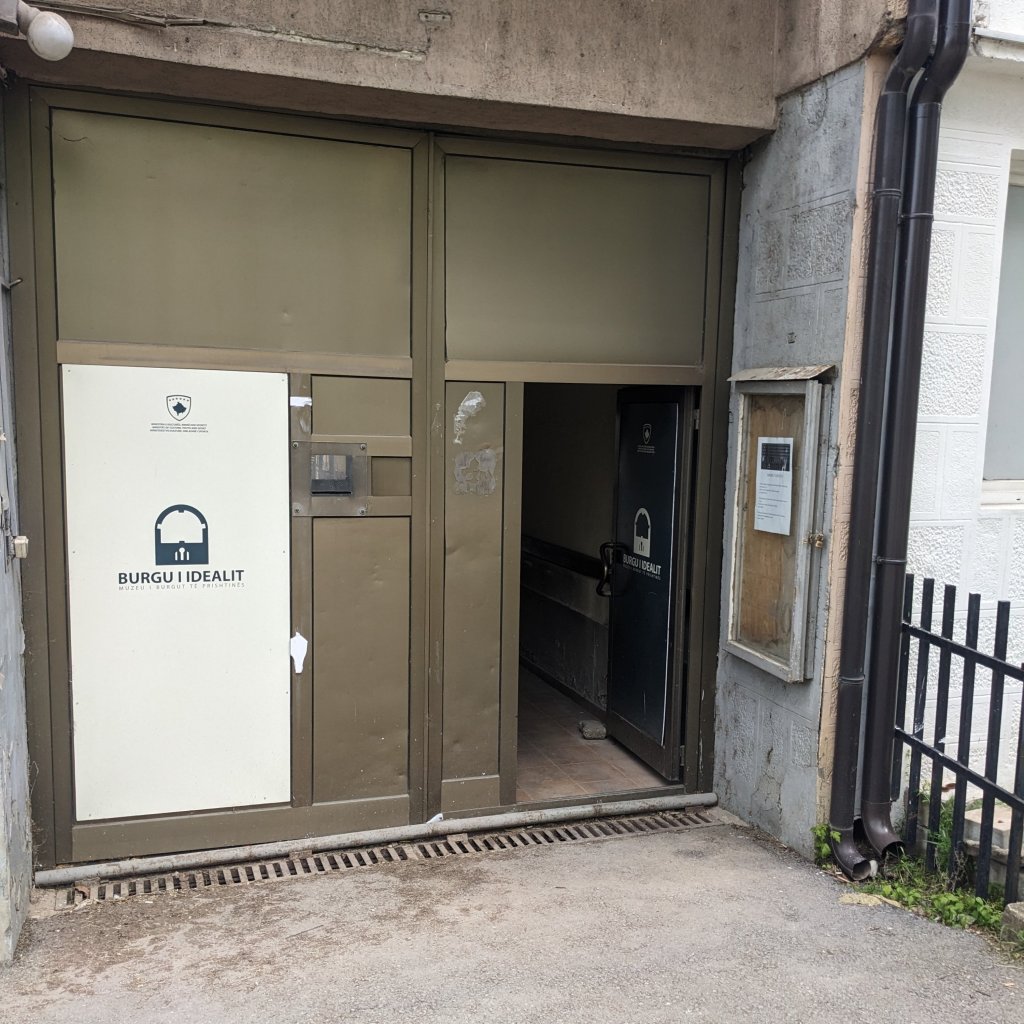
Finding the prison is quite tricky – there isn’t much signage, and information online is sparse. I eventually found the entrance… and it was closed. Google Maps isn’t accurate- it’s not open on a Monday.
The strange thing about this museum is that there doesn’t appear to be any staff? It’s free, but there’s no welcome desk – I just walked in.
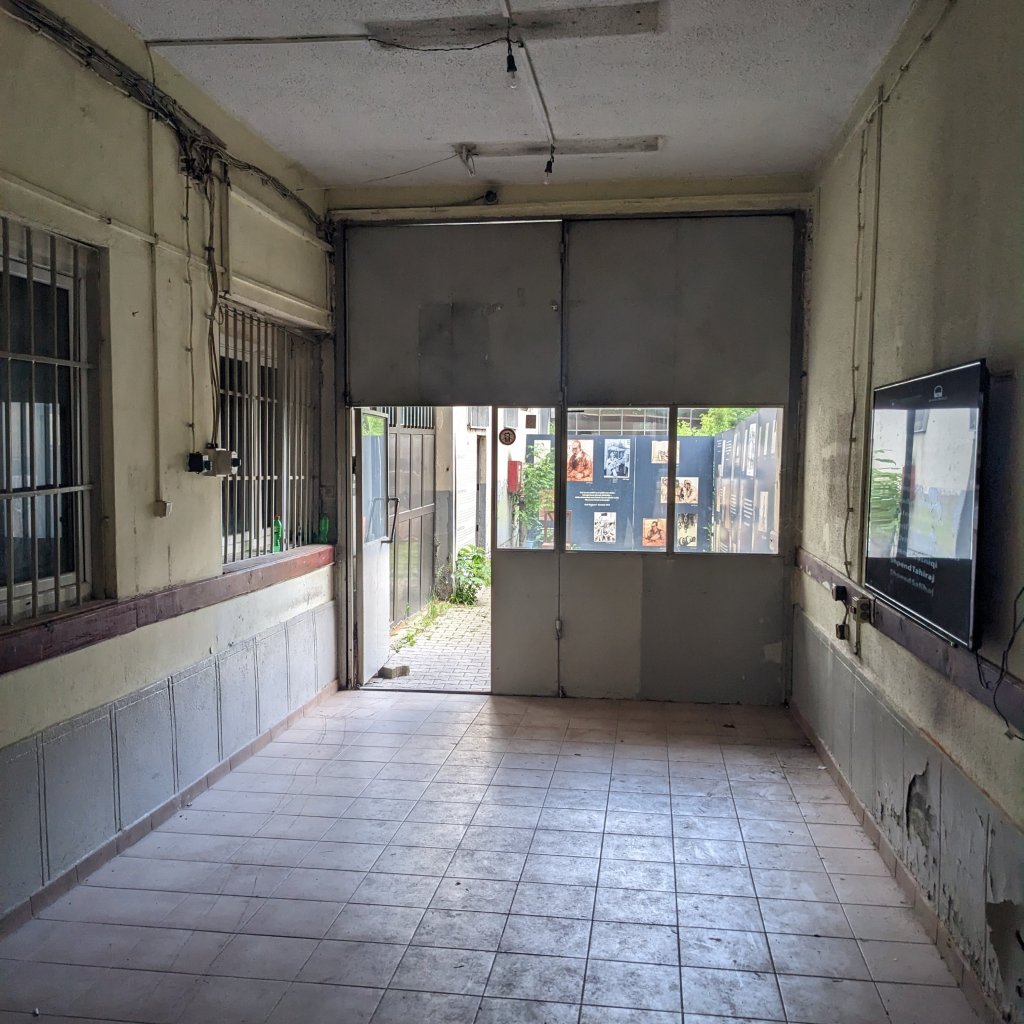
In the foyer, there’s a monitor scrolling through what seem to be the names of people imprisoned there. There’s also a display at the beginning, confirming this is an actual museum and you’re not just doing some impromptu trespassing. There’s other TV screens dotted throughout the prison, but strangely none of them worked aside from this one.
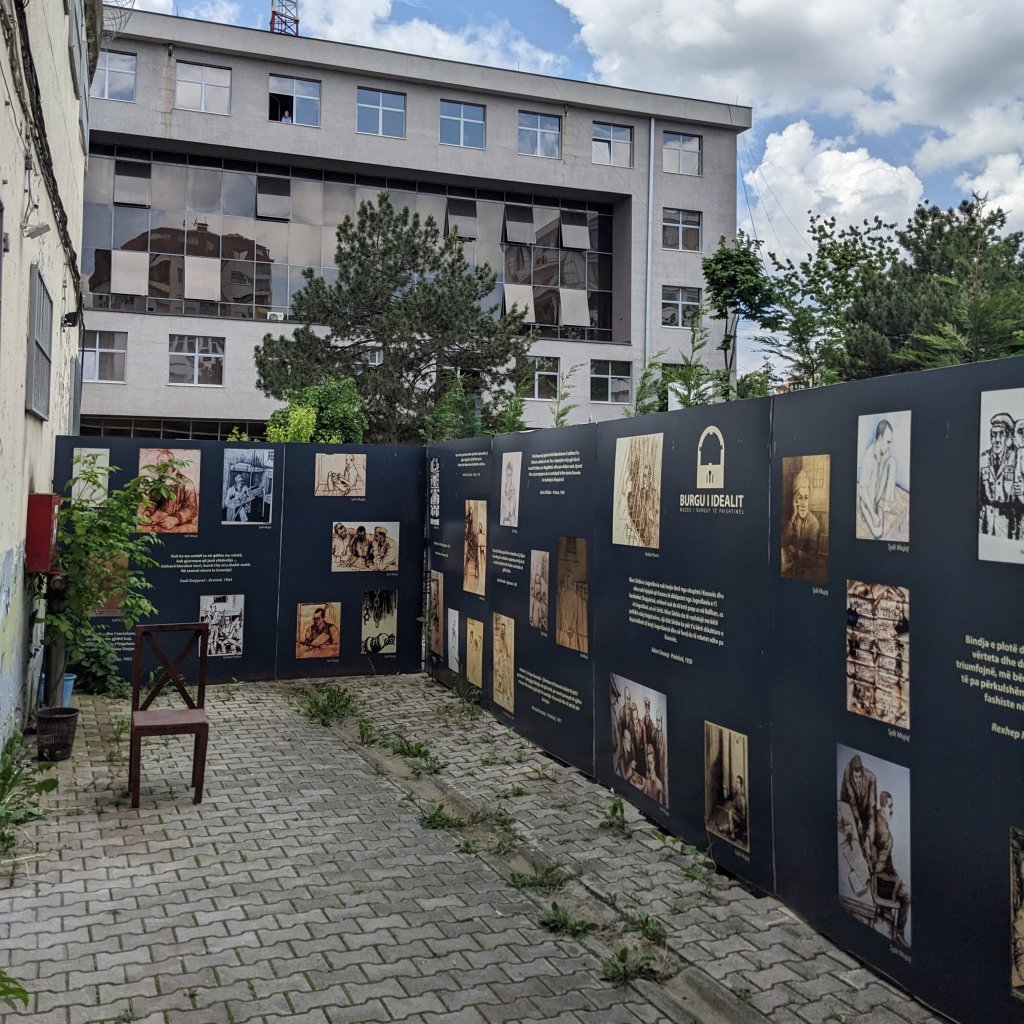
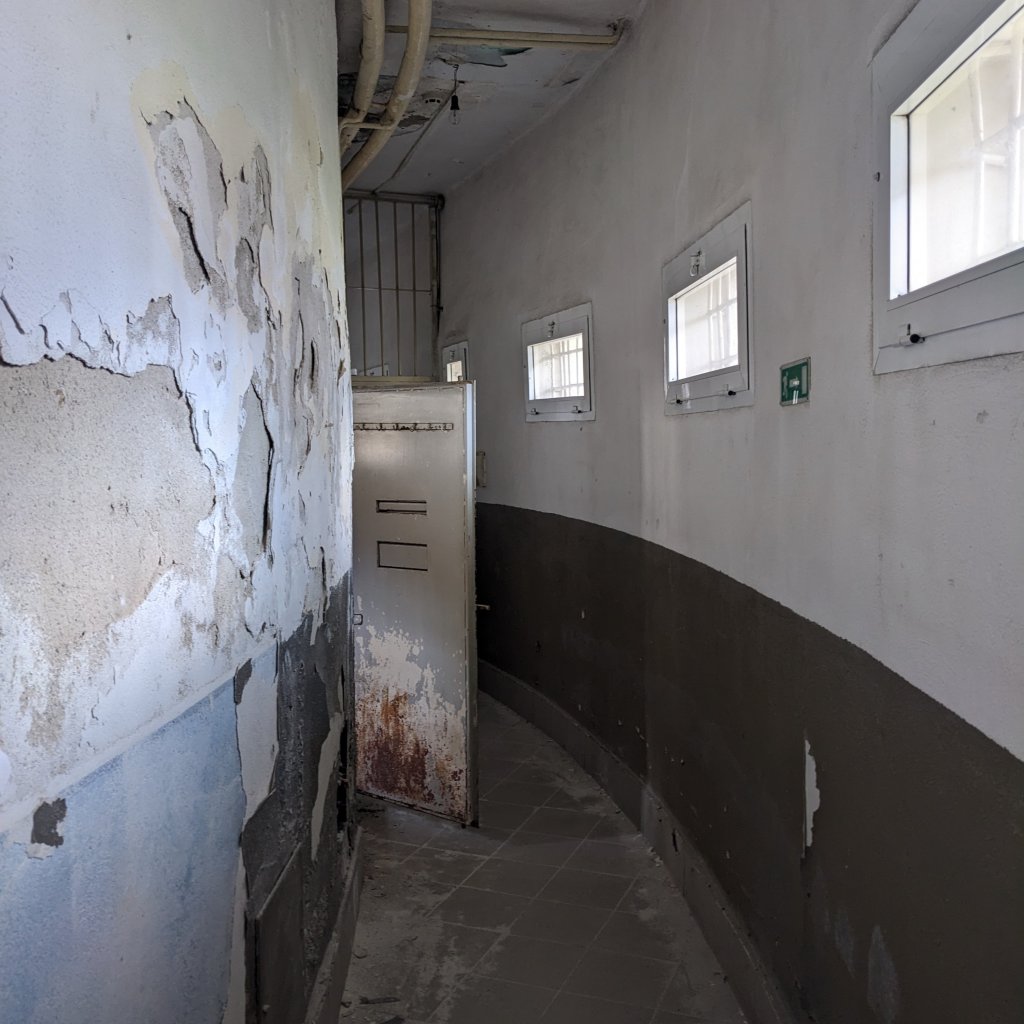
Walking past the display leads to the prison itself. Entering through the reception, it’s soon clear that this is not a reconstruction of what the building used to look like in its prime. We are entering a ruin.
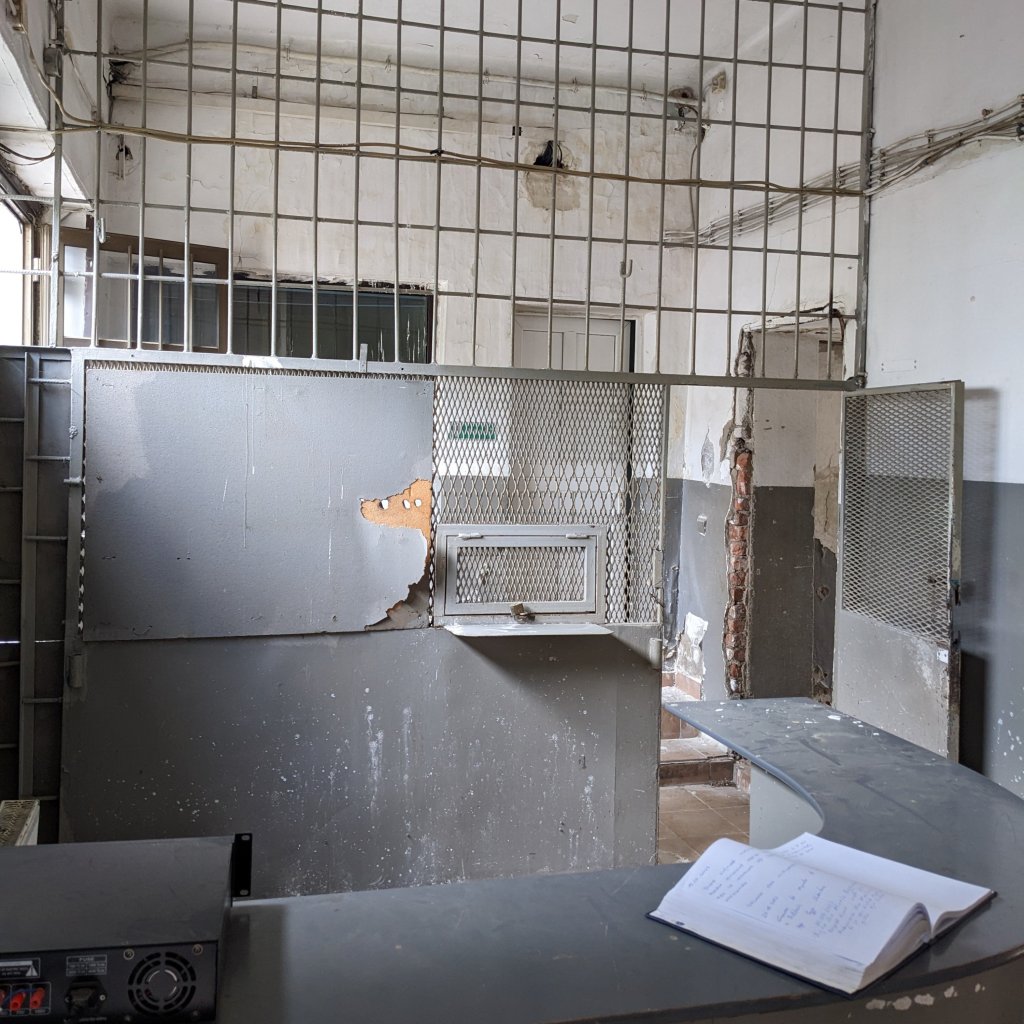
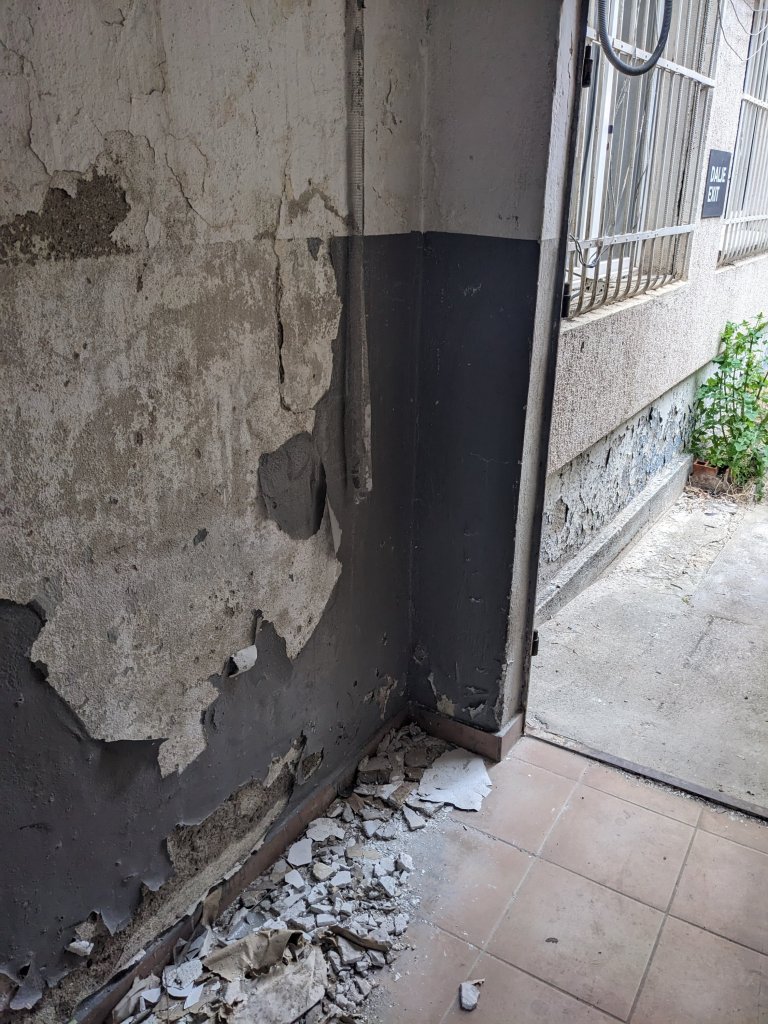
It’s immediately apparent that there’s been no restoration work at the prison. None at all. There’s still piles of rubble on the floor. Doors open to nowhere. It’s not always clear what’s part of the museum and what isn’t. At one point, I wandered into what looked like an empty office for museum staff. There were modern magazines on the desks, but nobody there.
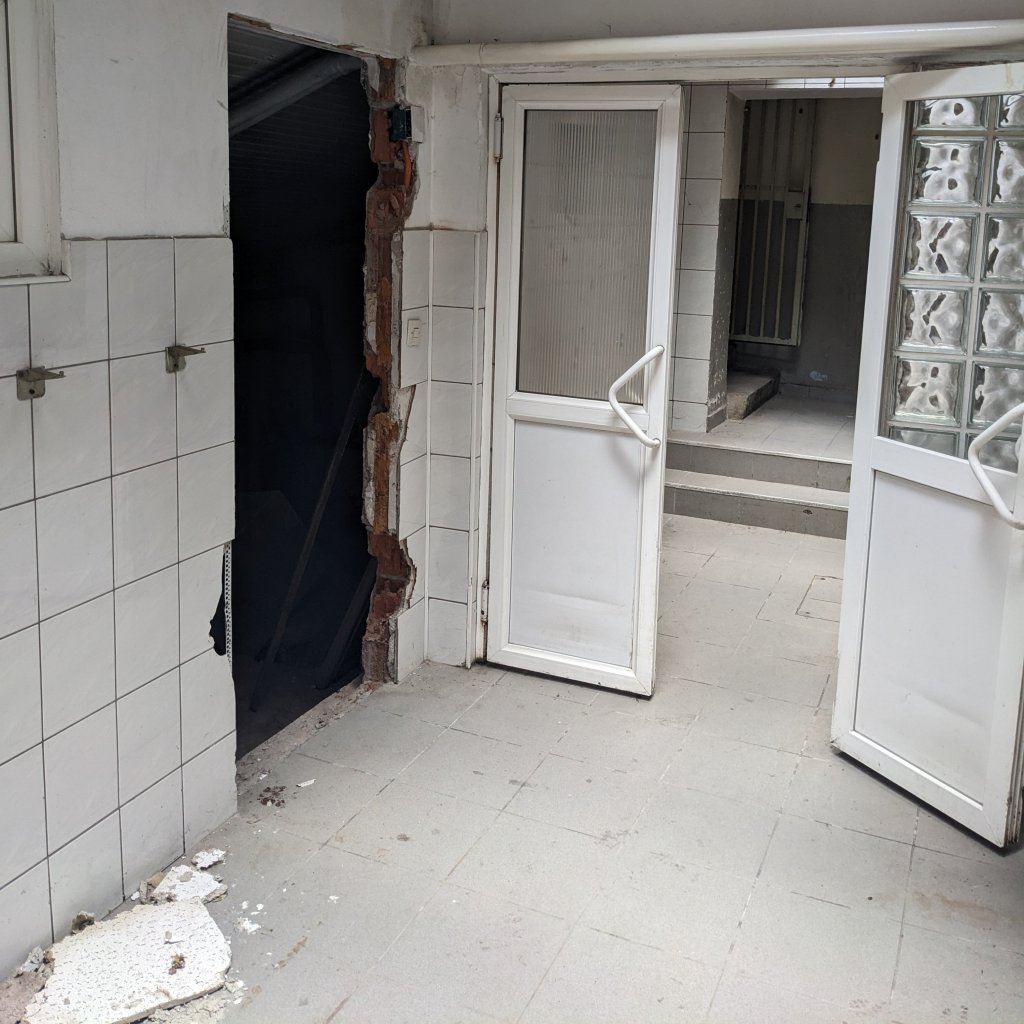
I honestly had some trouble figuring out if I was trespassing or not. Slowly, though, it becomes apparent that yes, this is an official tourist attraction. There’s signage, with arrows pointing the way, and big blocks of text explaining the history of the building.
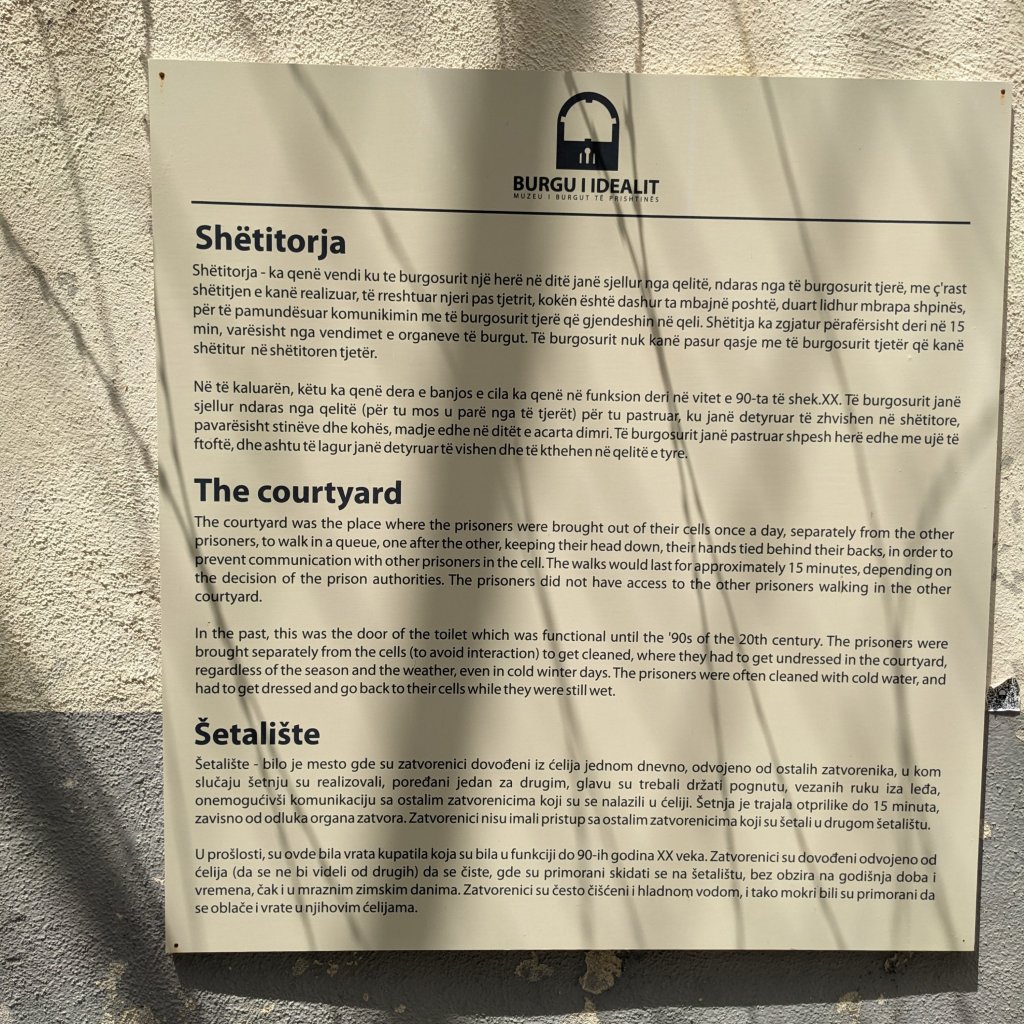
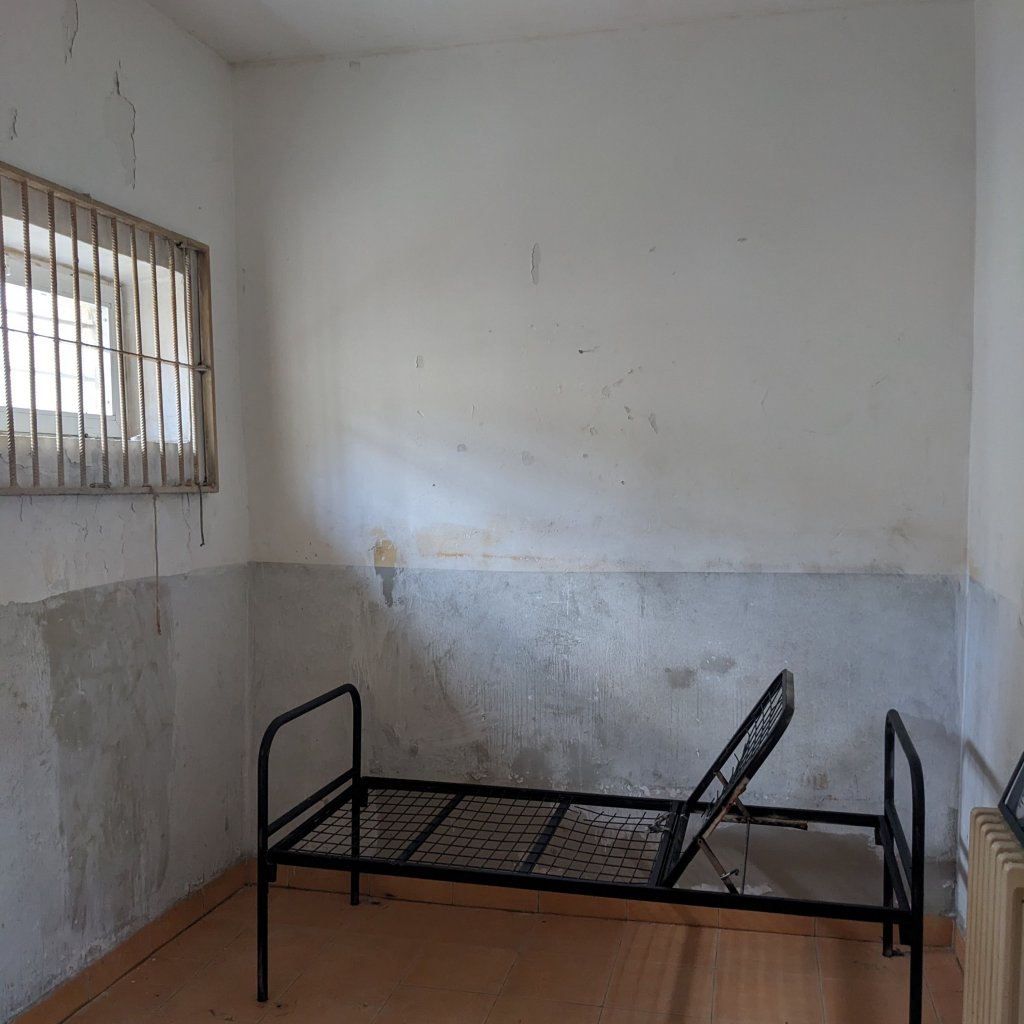
We’re free to explore the entire prison – cells, courtyards, offices, even the toilet blocks. Some important rooms have signage explaining what you’re looking at, while other times we just have to guess. I think this was the visitation room for instance.
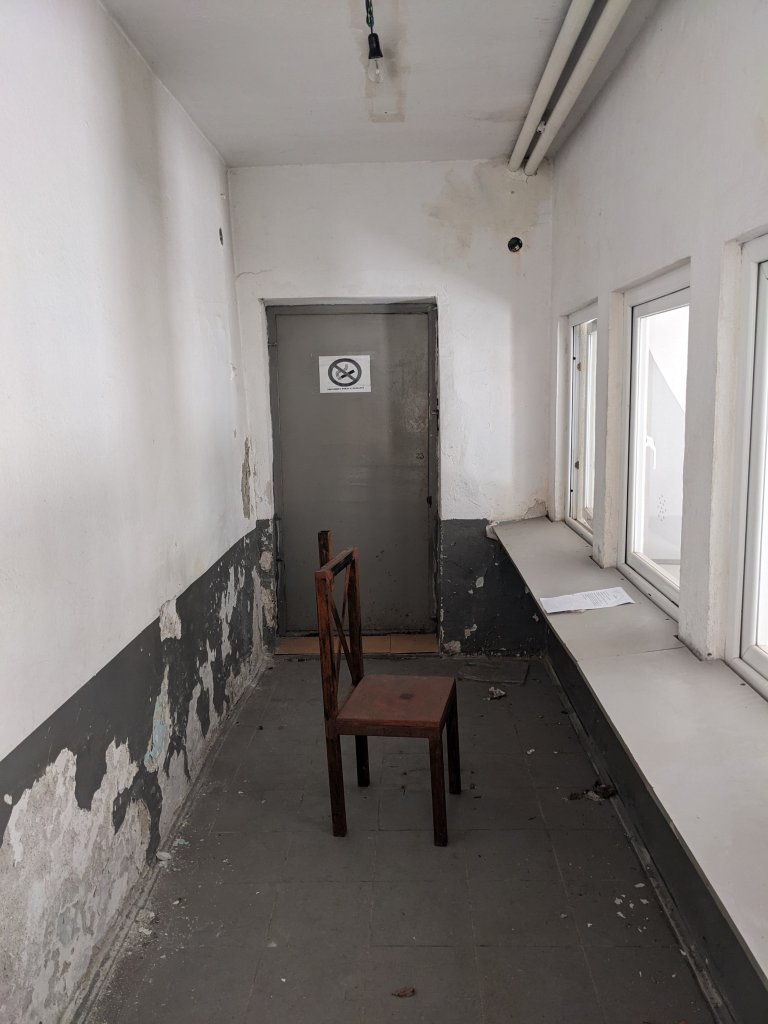
The signage is minimal so you’re left to interpret things yourself. There was someone walking around who seemed to be a… staff member? Volunteer? Former inmate? He didn’t seem to speak much English, but he said hello and wandered the site. At one point as I was exiting a wing, he asked me if anyone else was in the room I’d just left. I think maybe he was a security guard of some sort. I’m not sure what he was even guarding though.
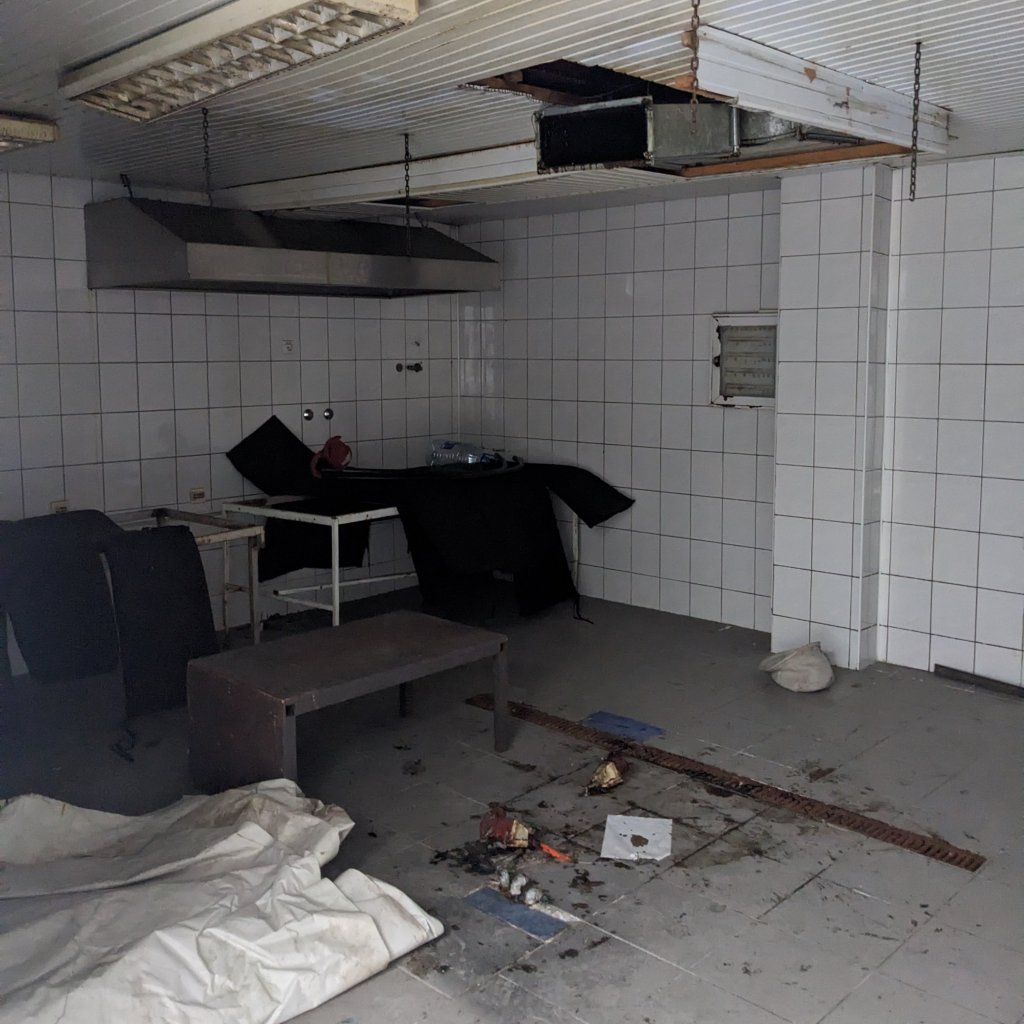
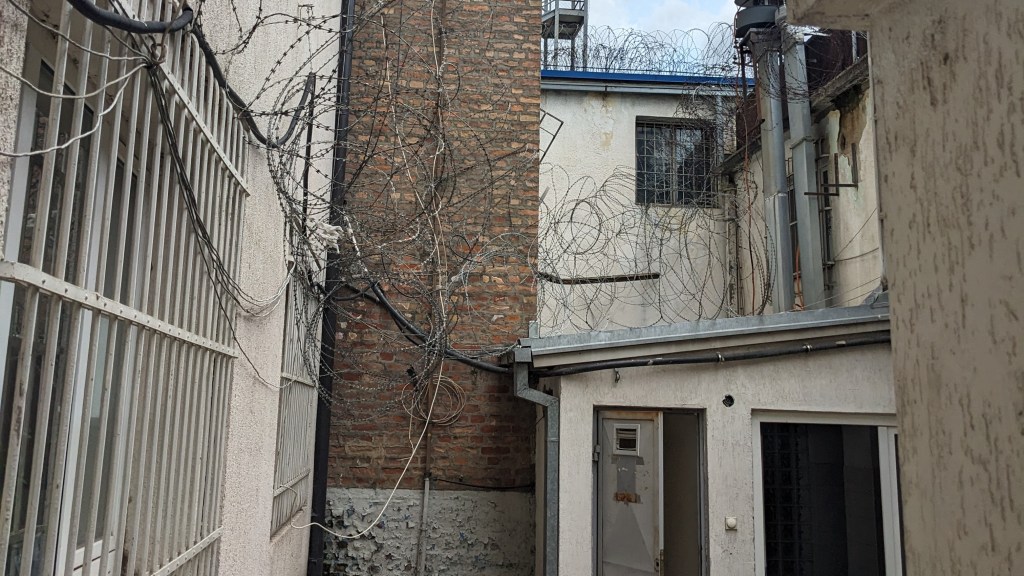
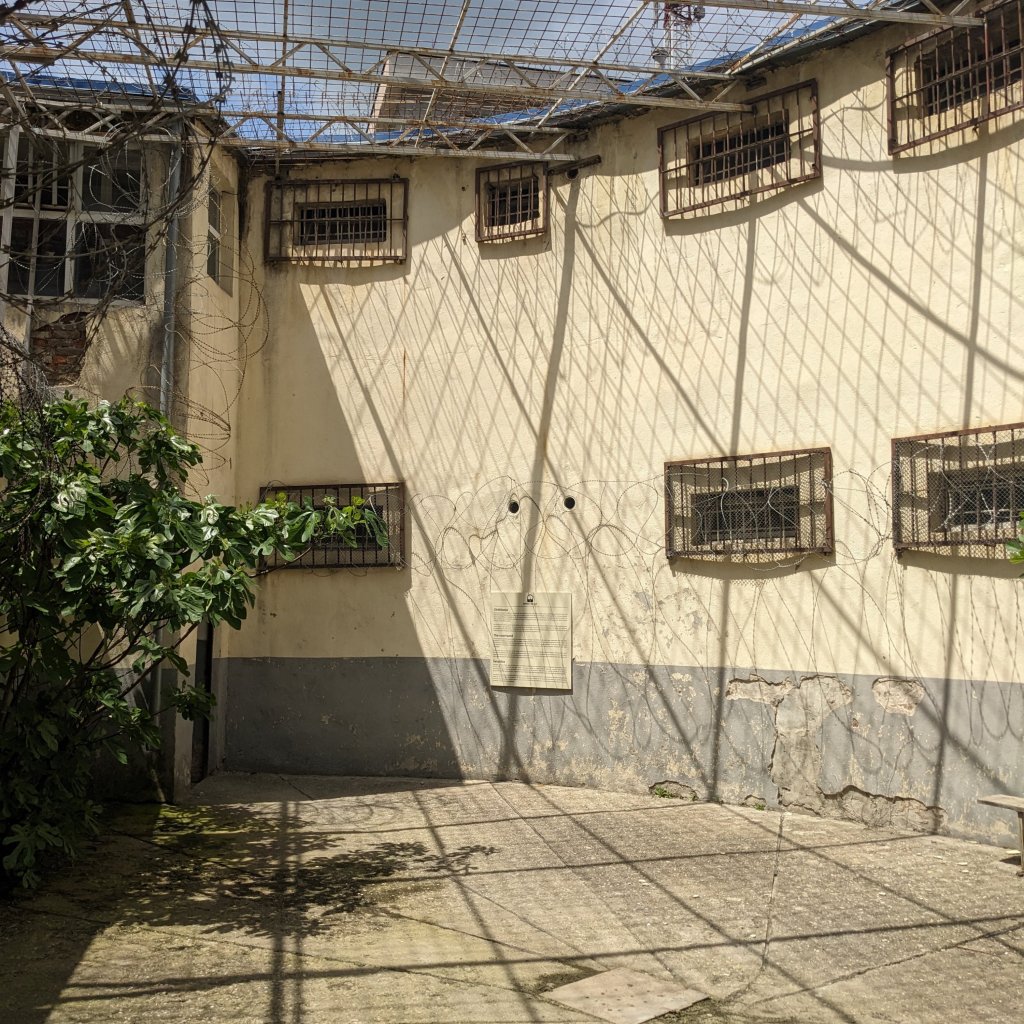
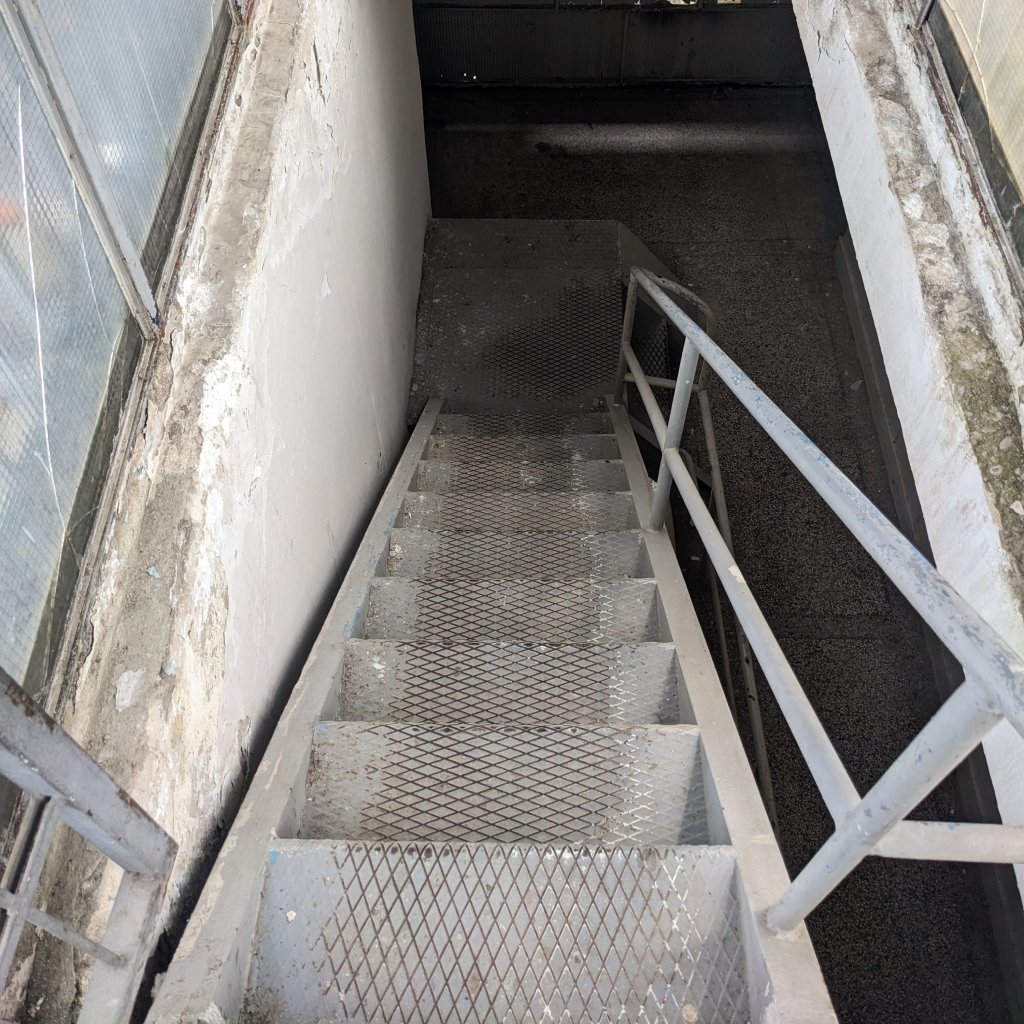
Anyway, let’s explore the rest of the prison. There’s some (rather creaky) metal stairs that lead up to the roof, also surrounded by barbed wire. From here, we can see the guard tower and a top-down view on the courtyard. I’d assumed this small area was an exercise yard – but according to some research I found later, the prisoners didn’t get this luxury.
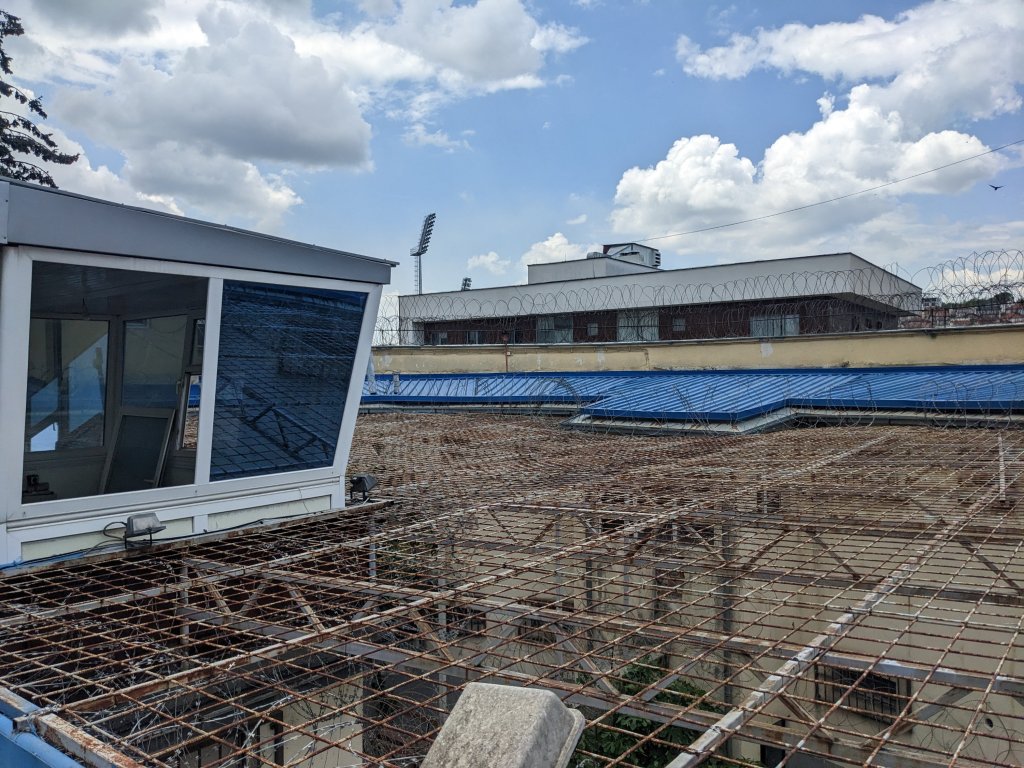
Something that seems especially cruel about this prison is how close it is to the city centre. It’s literally on a main road into Prishtina. Prisoners could hear the traffic outside, the birdsong, the bustle of urban life. So close to the very centre of the biggest city in Kosovo, yet some prisoners spent years in here without seeing it.
I think the most interesting area is the courtyards. Prisoners weren’t allowed to exercise, but there’s a fig tree that served as a symbol of hope for the internees here – if the plant could survive in this place, so could they. Growing in a crack of concrete, the plant is now a full-grown tree.
I spent about half an hour exploring the cells, corridors and shower blocks, and in this time saw only one other pair of tourists. Kosovo isn’t exactly suffering from mass tourism – I wonder if that’s how the prison can stay open in the state it’s in. The second when buses of middle-aged tourists turn up at the prison doors is when accidents would start happening. But for the occasional younger thrillseeker, navigating these ruins without breaking their arm isn’t too difficult. Just as long as they’re sensible. made it the most unsettling part of my brief visit to Kosovo. If you do visit, you might want to also have a look around the Communist-era Youth and Sports Centre, just around the corner. Half the building is abandoned, but isn’t locked off to the public yet.
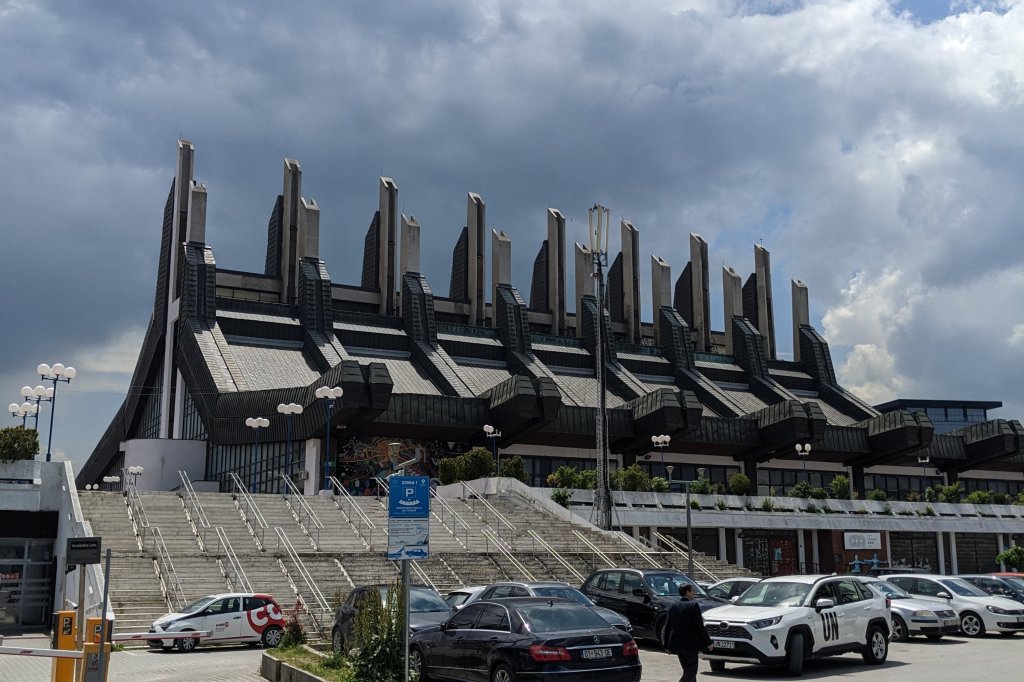
In a country so recently the site of mass violence (and, at time of writing, more political unrest), my visit to the prison was definitely the most unsettling part of my brief visit to Kosovo. If you do visit, you might want to also have a look around the Communist-era Youth and Sports Centre, just around the corner. Half the building is abandoned, but isn’t locked off to the public yet. In fact some of it is being used as an indoor car park. Again though, enter at your own risk.
Final Thoughts
I mentioned in the intro that Kosovo doesn’t focus much on the past. I think the memories are too painful at the moment. I gathered some information from the signage, which mentioned that the prison was staffed mostly by ethnic Serbs, who regularly tortured the Albanian inmates. This continued through the Yugoslav era and into the 1990s, especially in the run-up to the war of independence in 1999.
What I found most shocking was how long the prison stayed open for. Surprisingly, the prison actually stayed open long past the war for independence, only closing for good in 2016. It’s a much more recent memory than, say, Alcatraz. It’s probably something the locals want to move on from.
From what I could find online, the prison has only been open for a year – hopefully, it’s eventually cleaned up and turned into a proper museum. Still, visiting now is an experience in itself. It honestly feels more like urban exploring than looking around a museum.
But in addition to painful memories, I think it honestly might just be a lack of funding. Kosovo has really benefitted from international funding, but it’s still a landlocked small country in the Balkans. It’s still recovering from a devastating war. Perhaps the funding they want just isn’t available yet.
If you’re the type of person to visit Kosovo, one of the least visited countries in Europe, then you’re probably also the type who would appreciate Prishtina’s Prison Museum. It’s not what I’d call a safe experience, but it’s truly a unique one. Just make sure you have travel insurance.
If you do visit, I’d recommend reading this article about the prison’s history first. It’ll help you appreciate the brutal torture inmates went through.
Useful info
- The museum is free and is open Tuesday-Saturday 10-4pm.
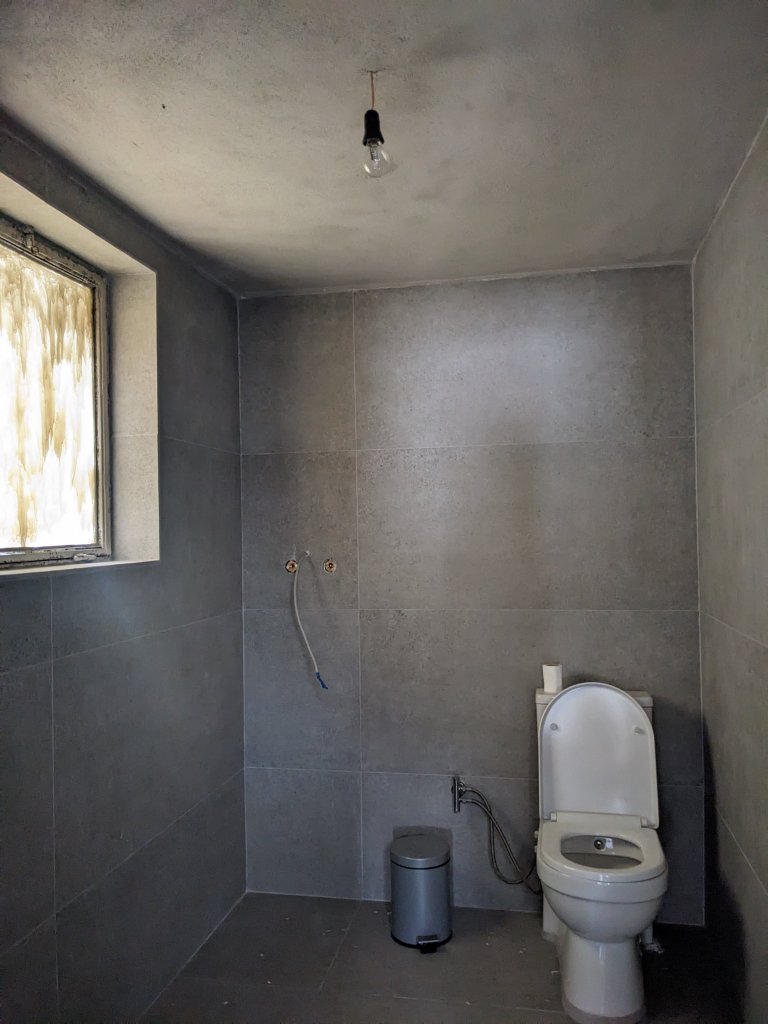
- If it wasn’t clear already, the prison is more of a ruin than a museum. There’s no lifts or disabled ramps, although oddly there’s a disabled toilet. If you have mobility issues I’d not recommend coming here.
- There’s no gift shop, or any other facilities, or really any staff at all.
- It’s also quite an unsafe place. There’s barbed wire everywhere, walls are falling apart and there’s rubble everywhere. Be careful if you do visit. Don’t bring kids. Make sure you have travel insurance that explicitly covers Kosovo too.
 ☕🐸Coffee Frog Travel Blog🐸☕
Leave a comment