
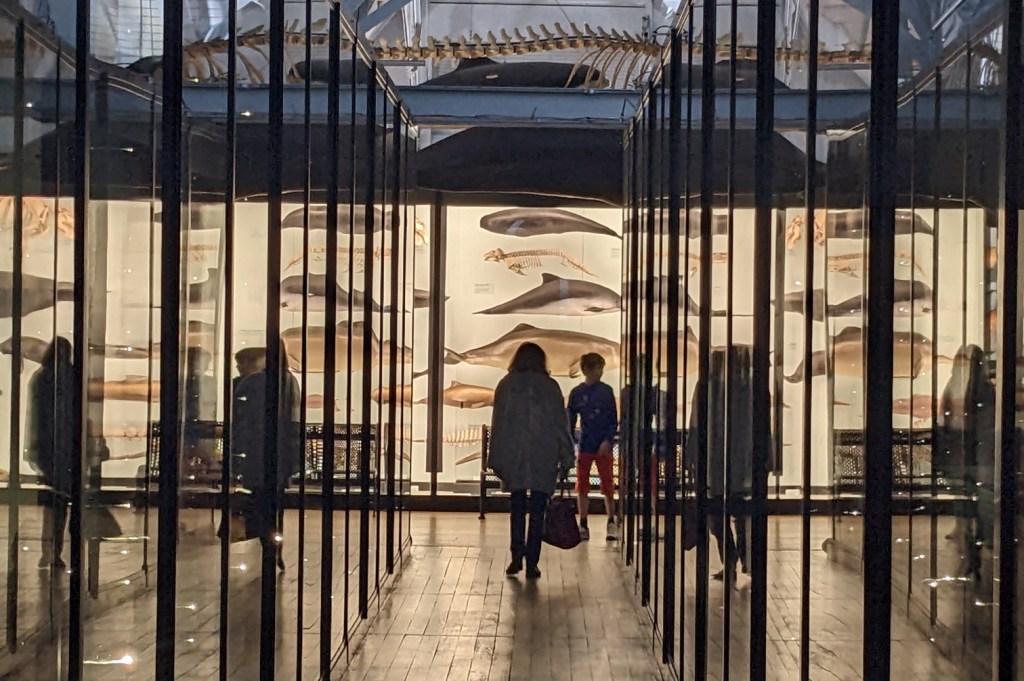
Context!
The Natural History Museum in London has its own page on Atlas Obscura and I cannot for the life of me figure out why. There’s some odd stuff there – as I mentioned on one of the very posts I did on this here blog – but it’s one of the biggest museums of its kind in the world! It gets millions of visitors a year!! But most of those people don’t know there’s actually a SECOND Natural History Museum.
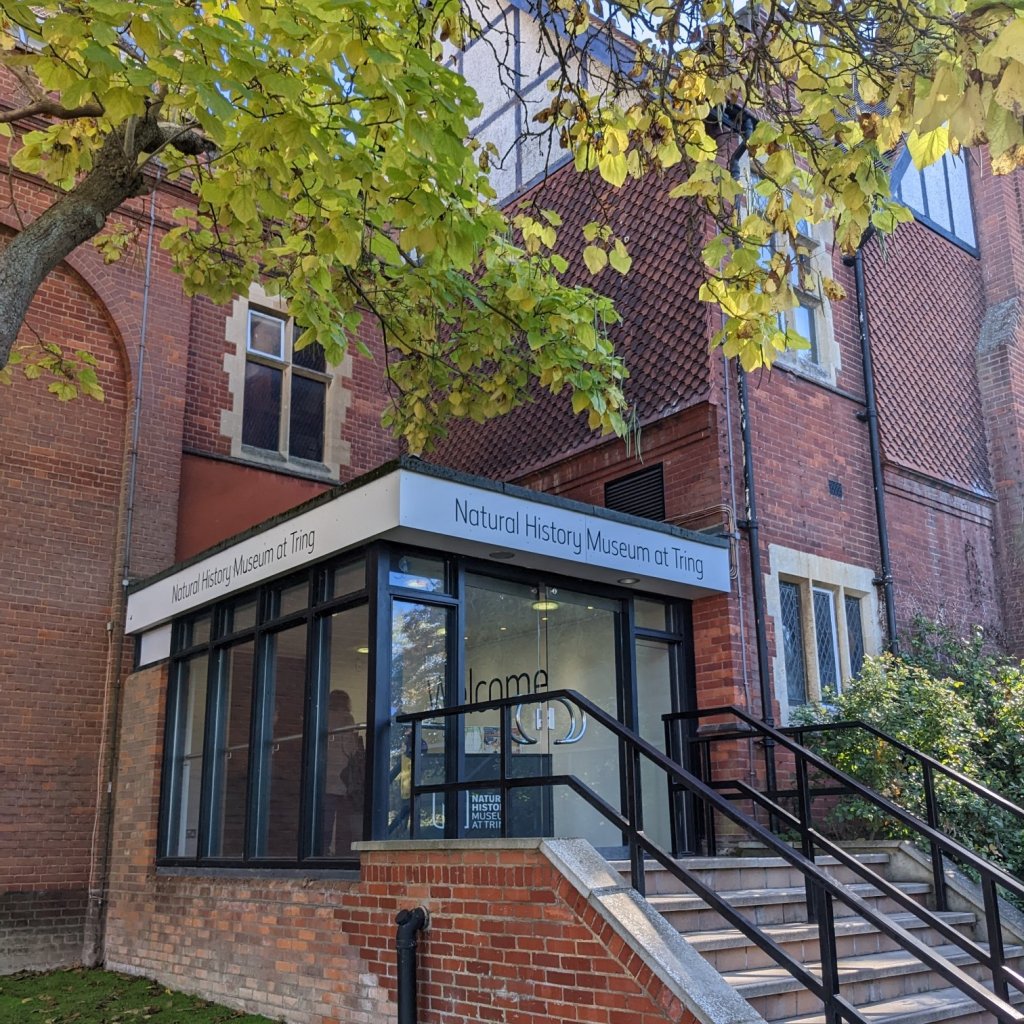
The Natural History Museum in Tring is a sort of offshoot of the larger London museum, ran by the same organisation and using the same branding. The gift shop sells NHM branded souvenirs. It uses the same online ticket infrastructure. Occasionally exhibits get moved from one museum to the other. But at time of writing, the Tring branch only has a couple thousand reviews on Google Maps (for comparison the London museum has nearly ten times that amount). It’s like the Liam Hemsworth of natural history museums – talented, but overshadowed by its more famous sibling. So why is this?
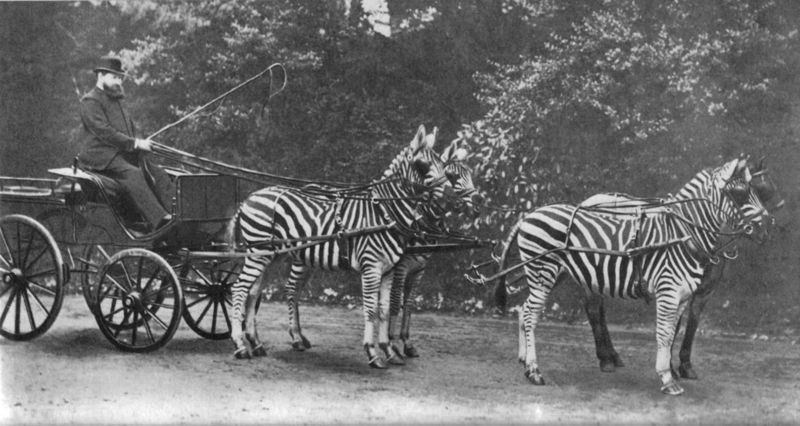
The Tring branch actually started life as the private collection of Walter Rothschild – a wealthy MP best known for his involvement in writing the slightly controversial Balfour Declaration. He spent his spare time collecting essentially every animal he could get his hands on. Sometimes live ones! Walter had giant tortoises graze on his lawn, and somehow managed to convince a group of zebras to pull his carriage.
Walter died in 1937, gifting his absurdly large taxidermy collection to the British government. The entire thing was put under the care of the Natural History Museum in London, who opened up Walter’s former home as “The Walter Rothschild Zoological Museum” up until 2007, when someone in marketing came up with the catchier name it has today.
Because the Natural History Museum at Tring started life as the private collection of an eccentric politician, in a small market town located far from the industrial hellscape of London, it’s a bit tricky to actually reach. Getting there from London is awkward – I had to get the tube to Euston station, a half-hour train to Hemel Hempstead, then a forty minute bus to Tring itself after milling around the train station for half an hour. You can’t really just pop in while milling around central London – you have to make a day of it. But reach it I did.
After my two hour odyssey – where I met a lovely elderly women’s walking group and passed through a village intriguingly named “COW ROAST” – I was finally able to look around this isolated branch of one of the best museums in the world.
I’m splitting the rest of this post into the five things that stuck with me about the Tring branch. Because my word is it DENSE!
#1 – It’s so Retro!
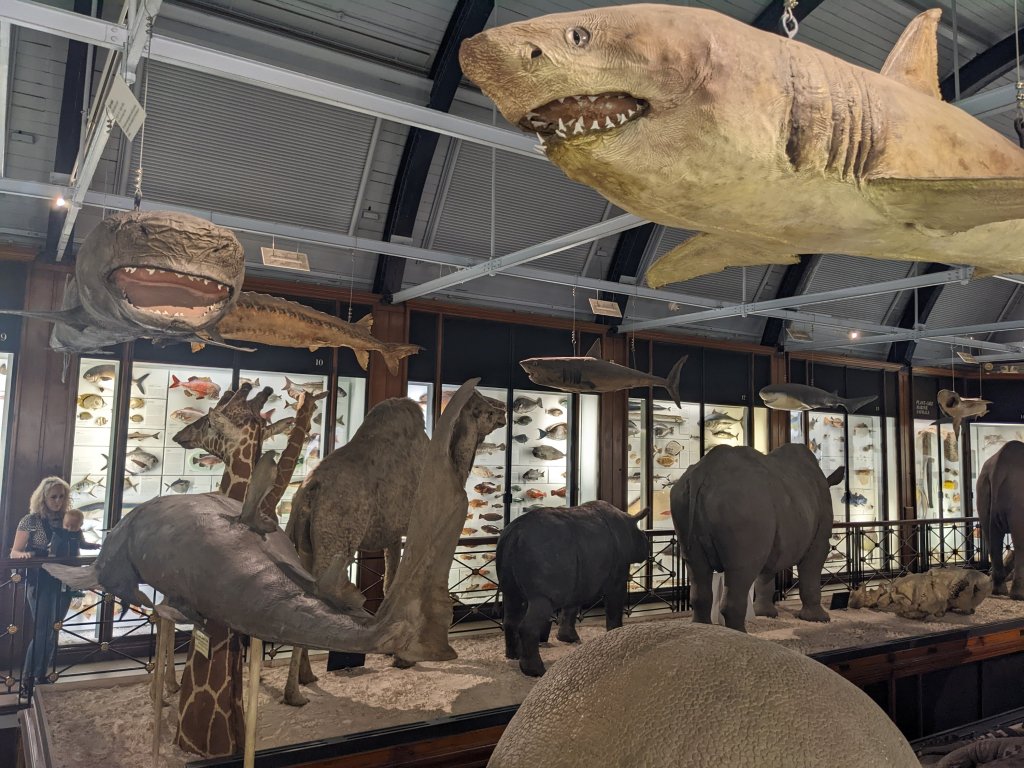
The Natural History Museum in London generally makes an effort to keep up to date. There’s a new wing opened by David Attenborough where kids can learn about conservation and scan QR codes to send themselves virtual scans of exhibits they like. The last time I went, right after the second COVID wave, there was a temporary exhibition about the climate emergency and how different exhibits have been updated to reflect social norms. There’s a blue whale in the main hall now instead of a Diplodocus. Not all the galleries are super-modern, but it’s obviously changed since it opened in the mid-19th century.
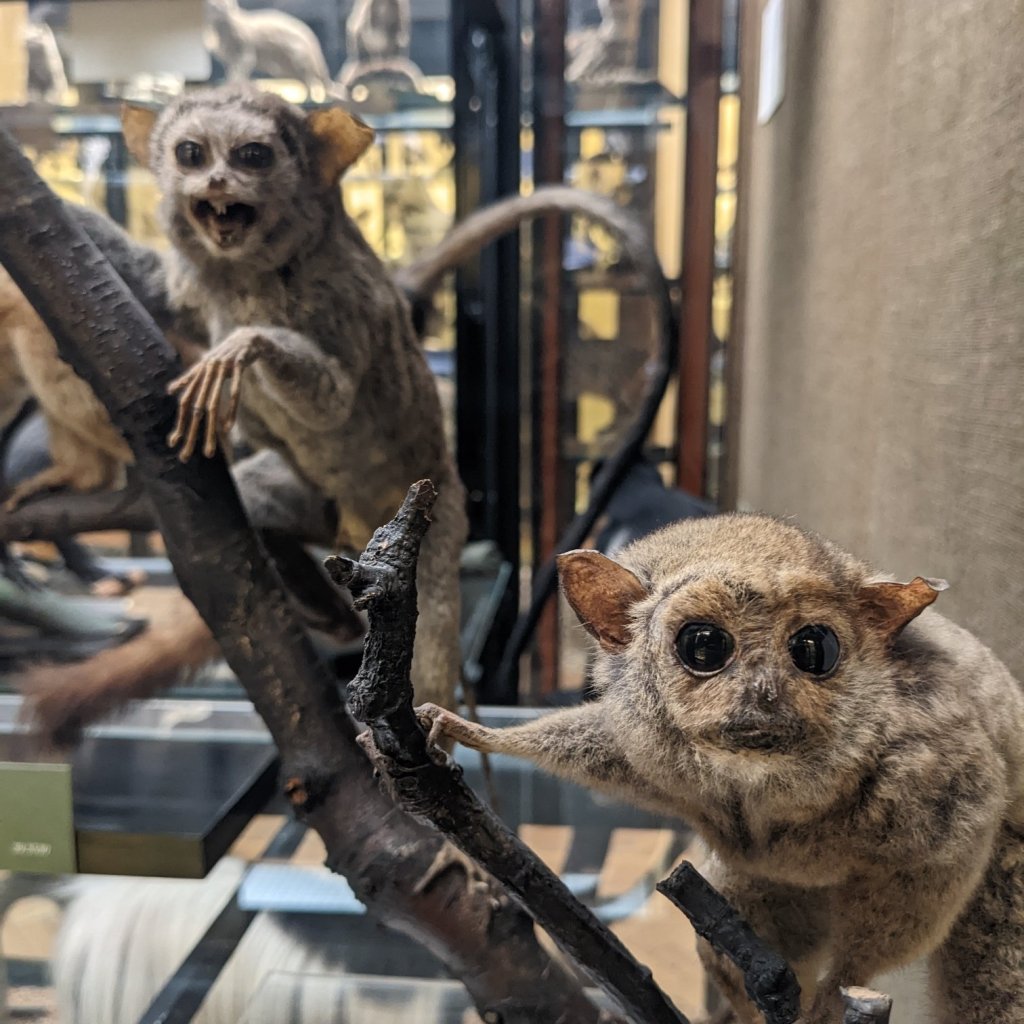
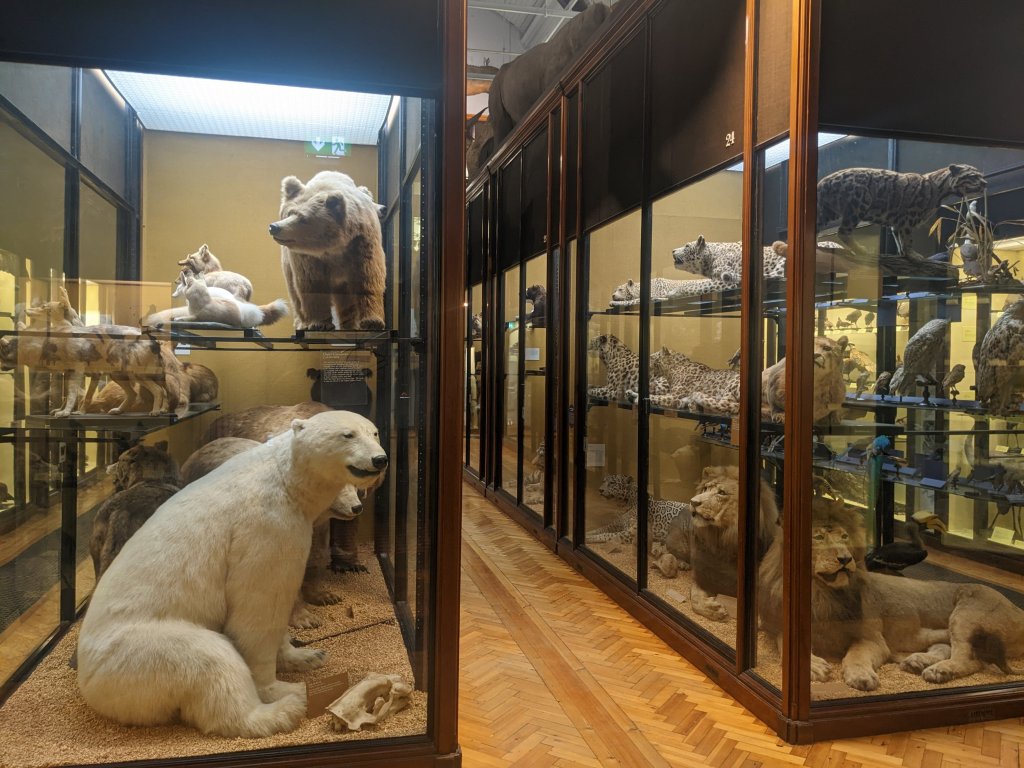
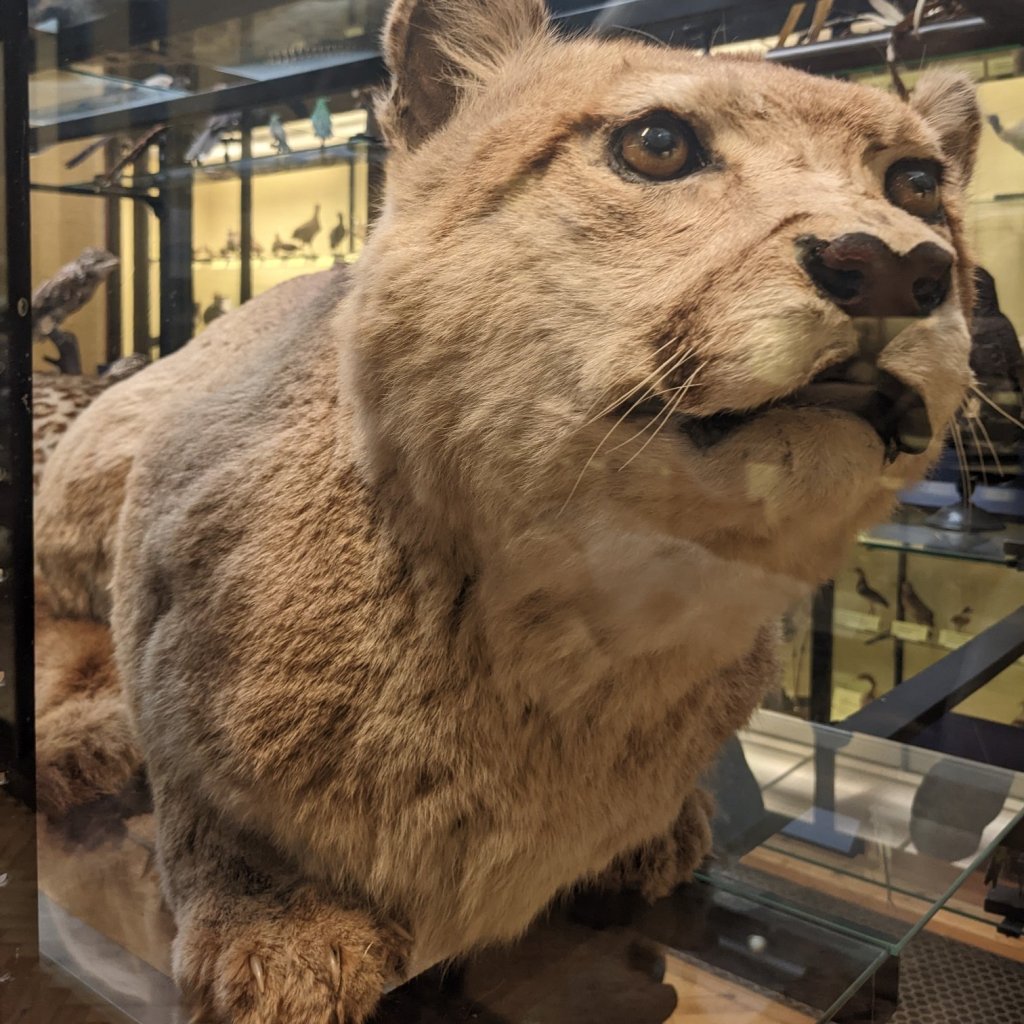
This is not true with the Tring branch. Most of the museum has changed little since opening in the 1930s. This is especially true in the first gallery, which is essentially just a dense mess of taxidermy. In a good way.
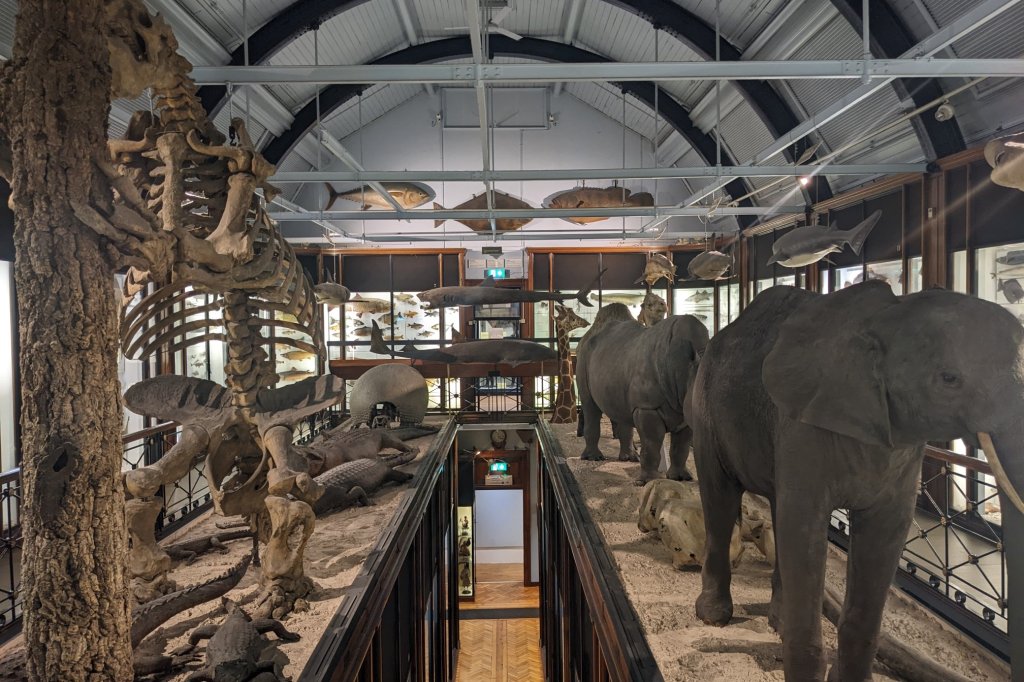
It’s an organised mess – primates have their own display case, big cats another, bears at the front – but it’s still a far cry from modern museum displays. It’s definitely a novelty, but I can see why these sorts of Noah’s ark displays aren’t in vogue anymore. There’s no real room for anything else . You can’t really do much except look at them, like a really crowded zoo where all the animals have been frozen in time.
#2 – Gotta Catch ‘Em All
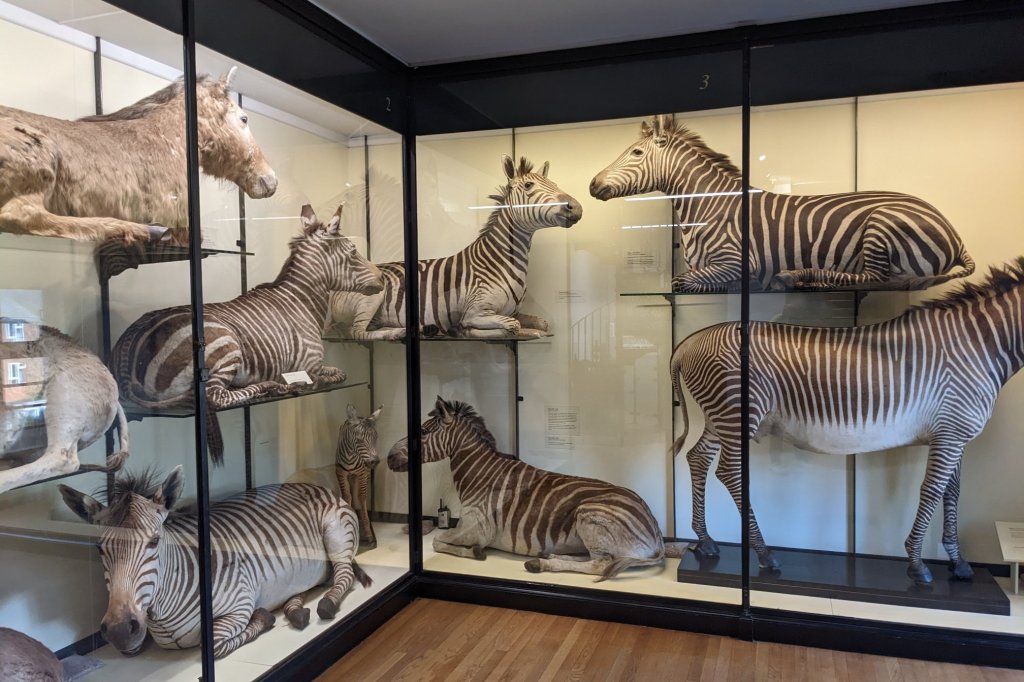
I can’t think of a better comparison so forgive me – Walter Rothschild’s collection reminds me of those people who try and get complete Pokedexs. And by complete they mean complete. Every Pokémon, every shiny, the absolute best stats etc. These people are universally insane – if Walter Rothschild lived to the 21st century he’d certainly have been one of them. But he wasn’t, so he did the next best thing and collected actual animals instead.
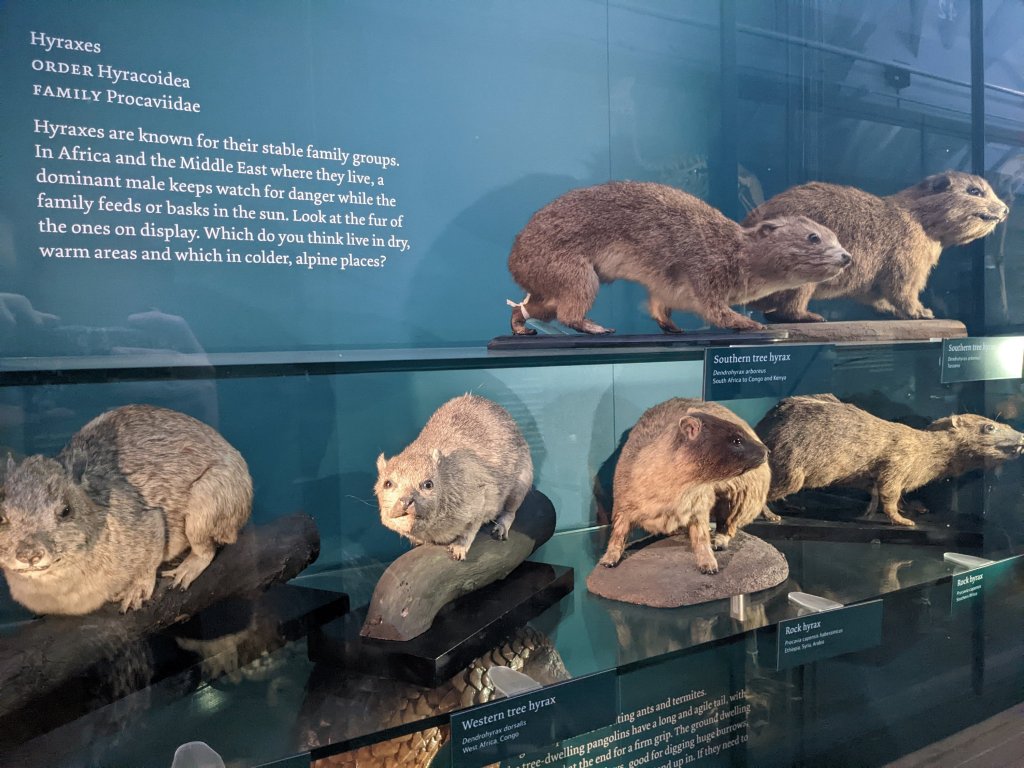
For example – look at this collection of zebras. That’s every sub-species of zebra. It’s not like, say, parrots or flowers where each species is colourful in its own way. They all look the same. But Walter Rothschild was a completionist and made space for them.
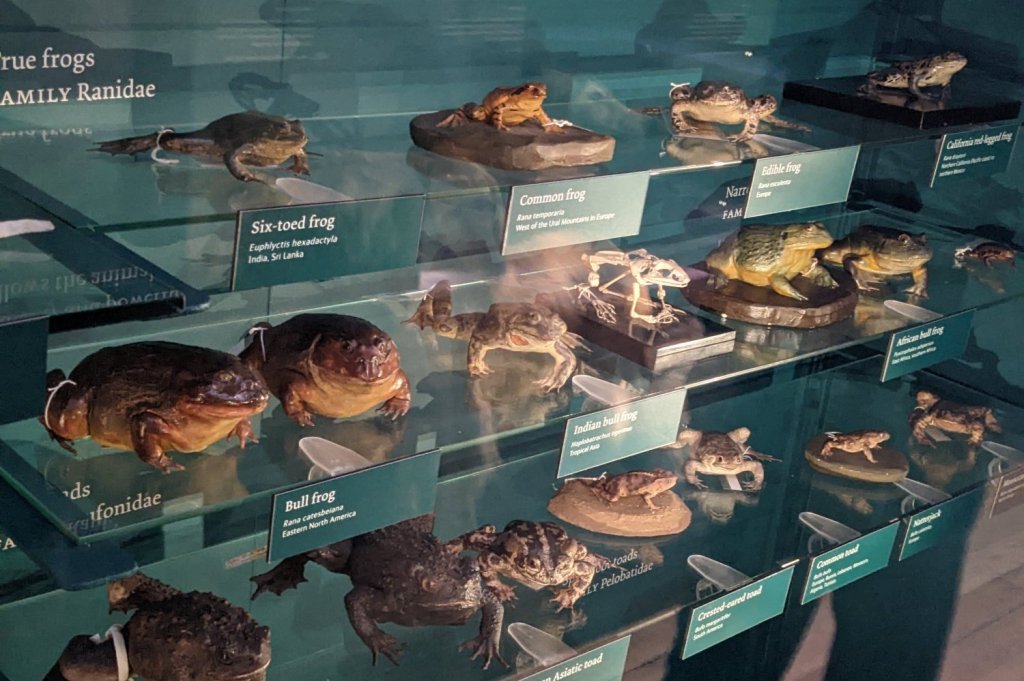
It’s not even exotic animals he collected entire sets of. Tits? He had one of every kind. Seagulls? He had every single one. If he was alive today he’s probably have several walls full of funko pops of characters he didn’t even like. It’s just staggering.
#3 – Hybrids, Shinies and Fake Dodos
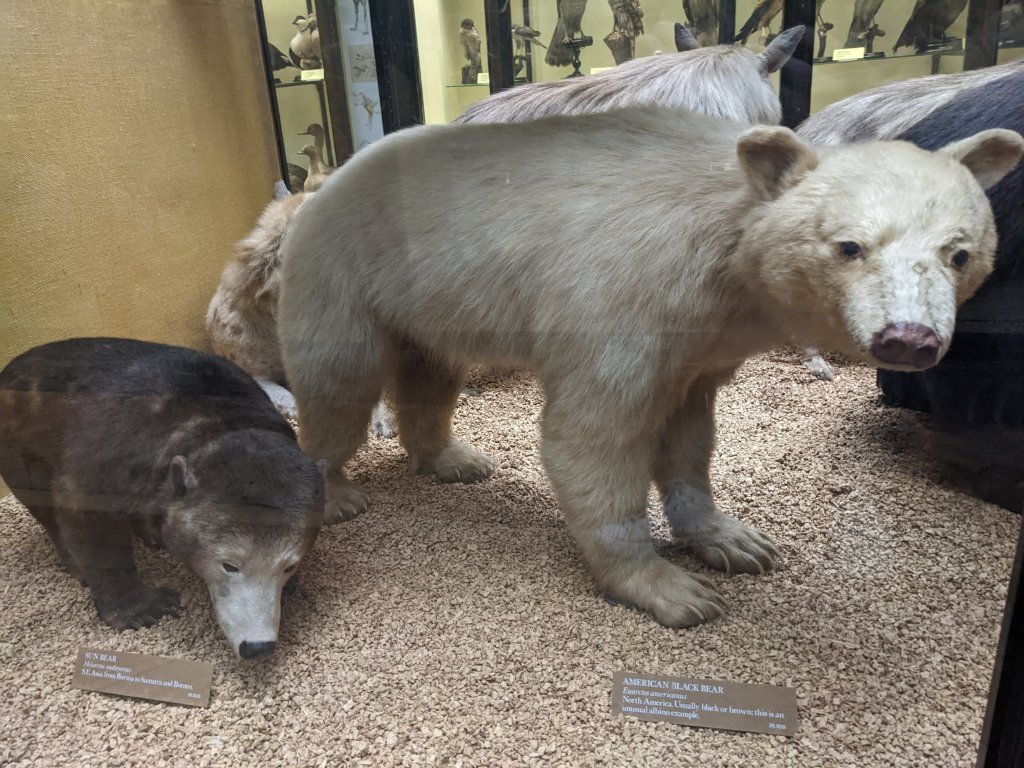
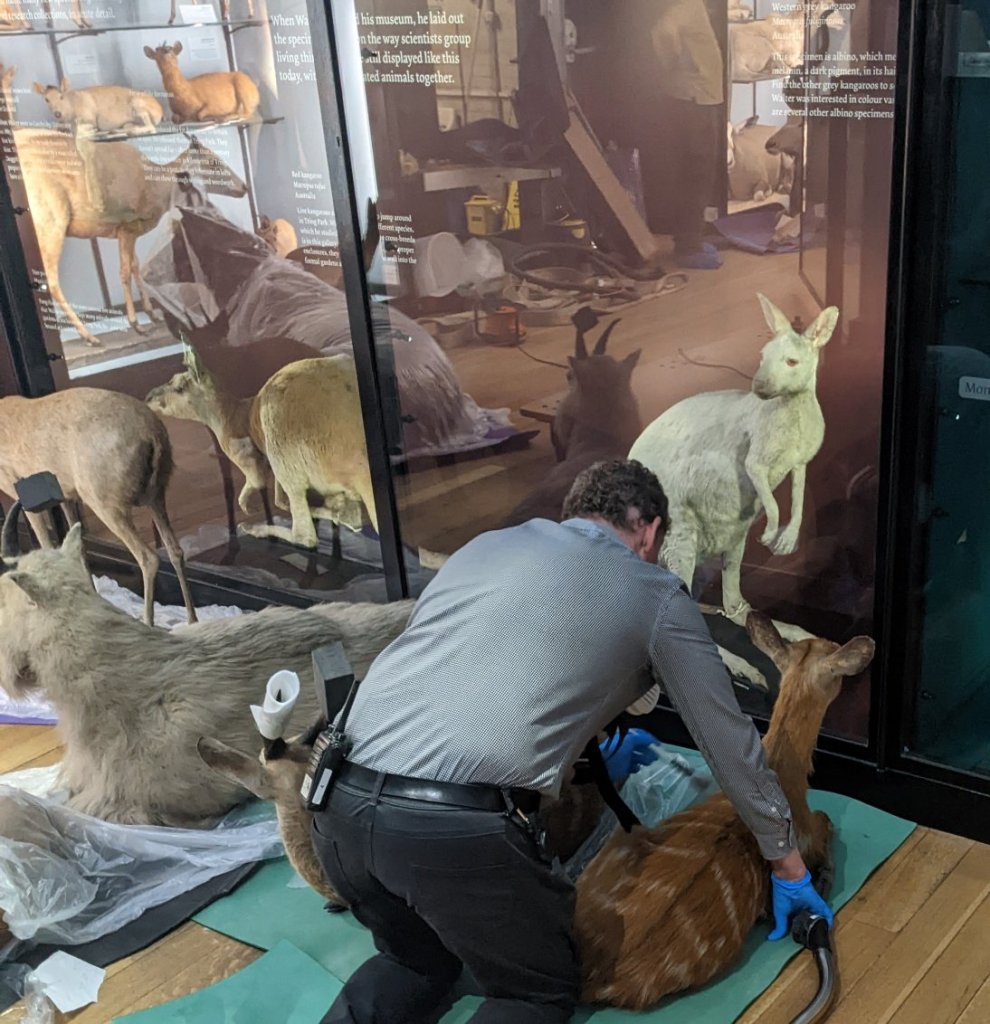
Back to the Pokedex analogy. Walter Rothschild lived to collect what are basically real-life shiny Pokémon – albino foxes, birds in rare colours, black squirrels and so on. Today, you’d expect these rare animals to be all in one place (like a weird trophy room), but they’re all over the museum! It’s like a treasure hunt – you might bump into a melanistic panther, or a snow white wallaby.
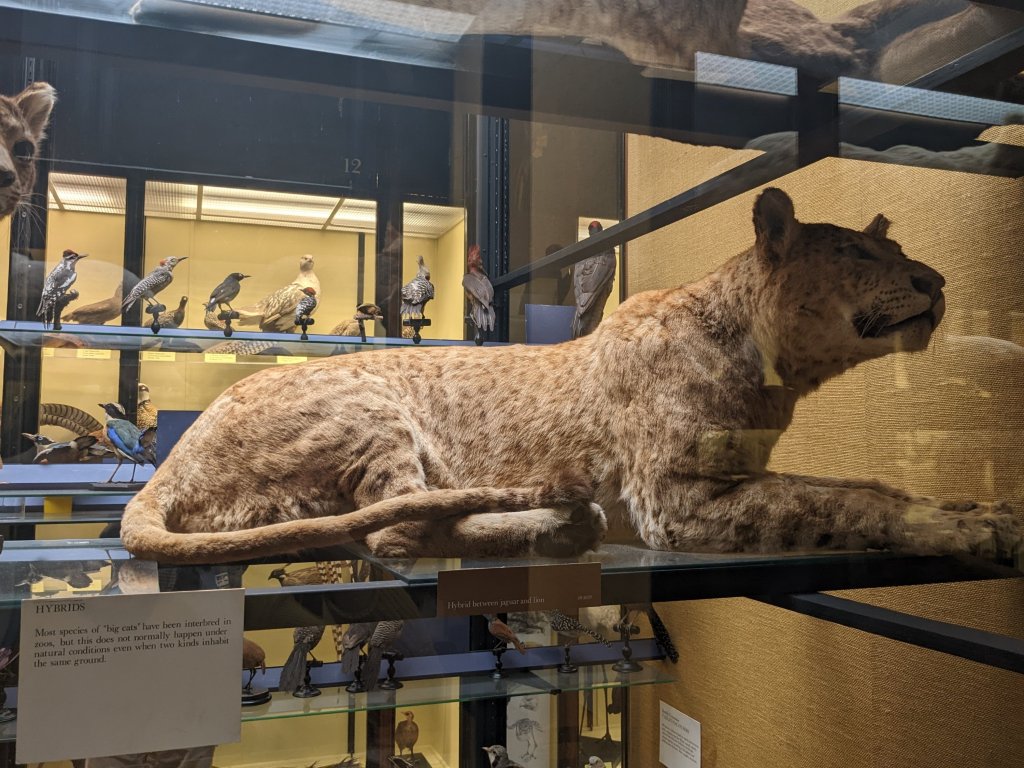
But what’s even more interesting – and where my Pokedex comparison falls apart a bit – is that Walter also sought out hybrids. On display in the museum is the offspring of trysts between various species, like Polar and Grizzly bears. Apparently this is called a “Pizzly Bear’ (THIS IS NOT A JOKE). He’d occasionally play matchmaker with live animals on his estate too, producing offspring like a jaguar-lion hybrid.
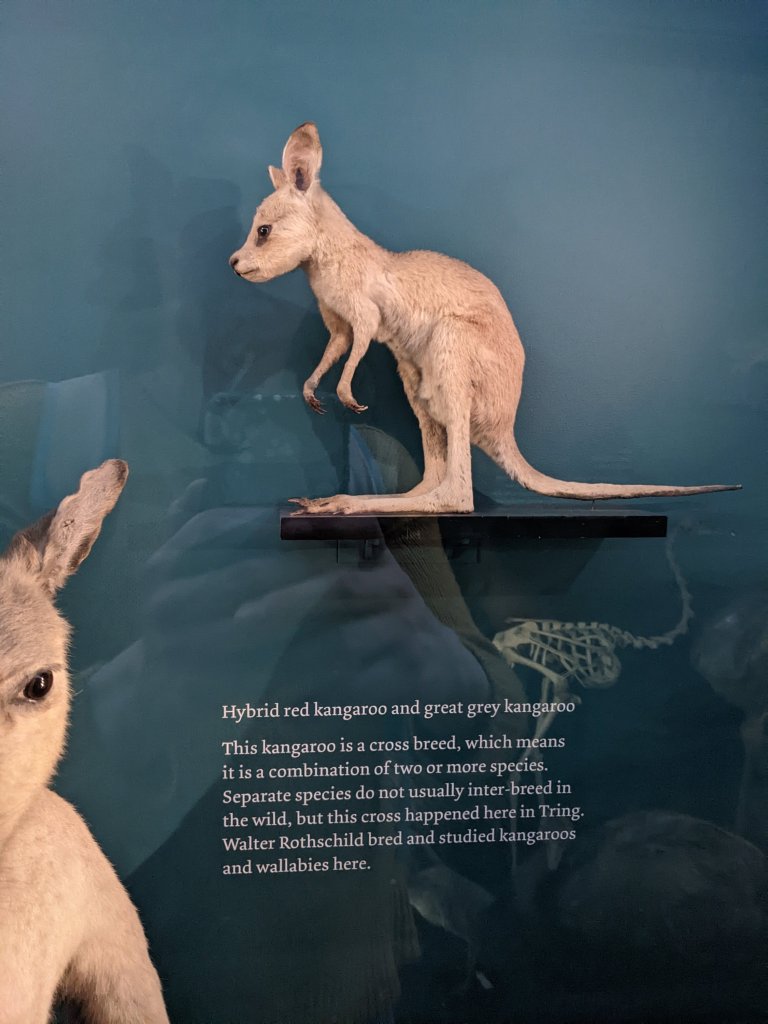
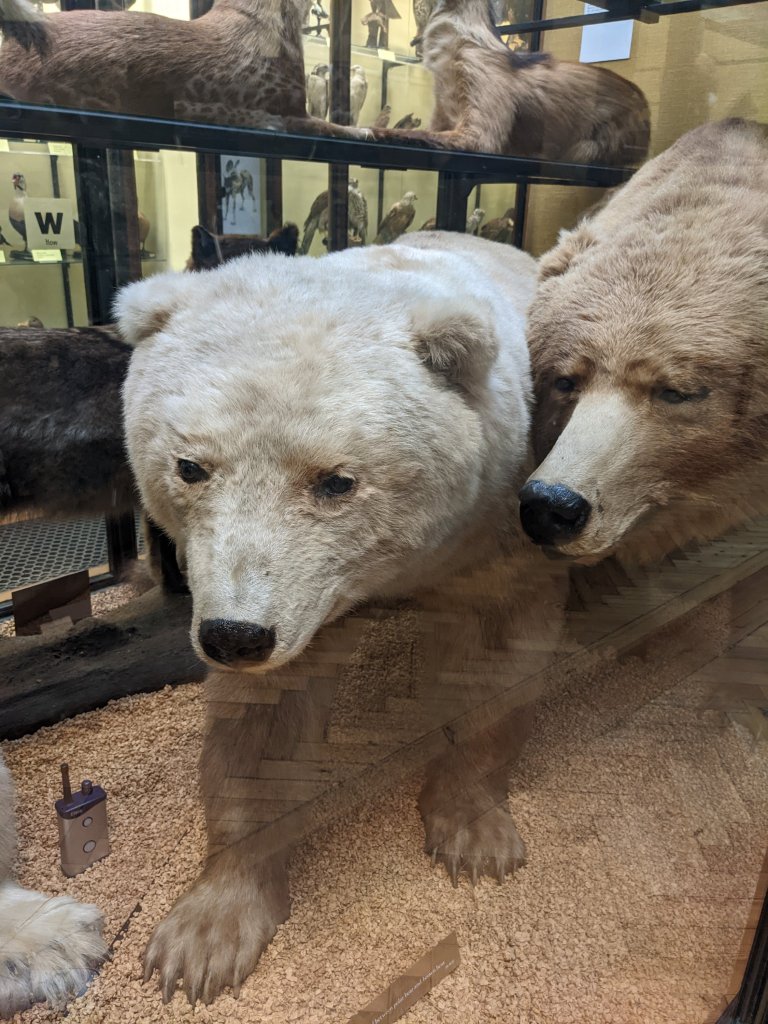
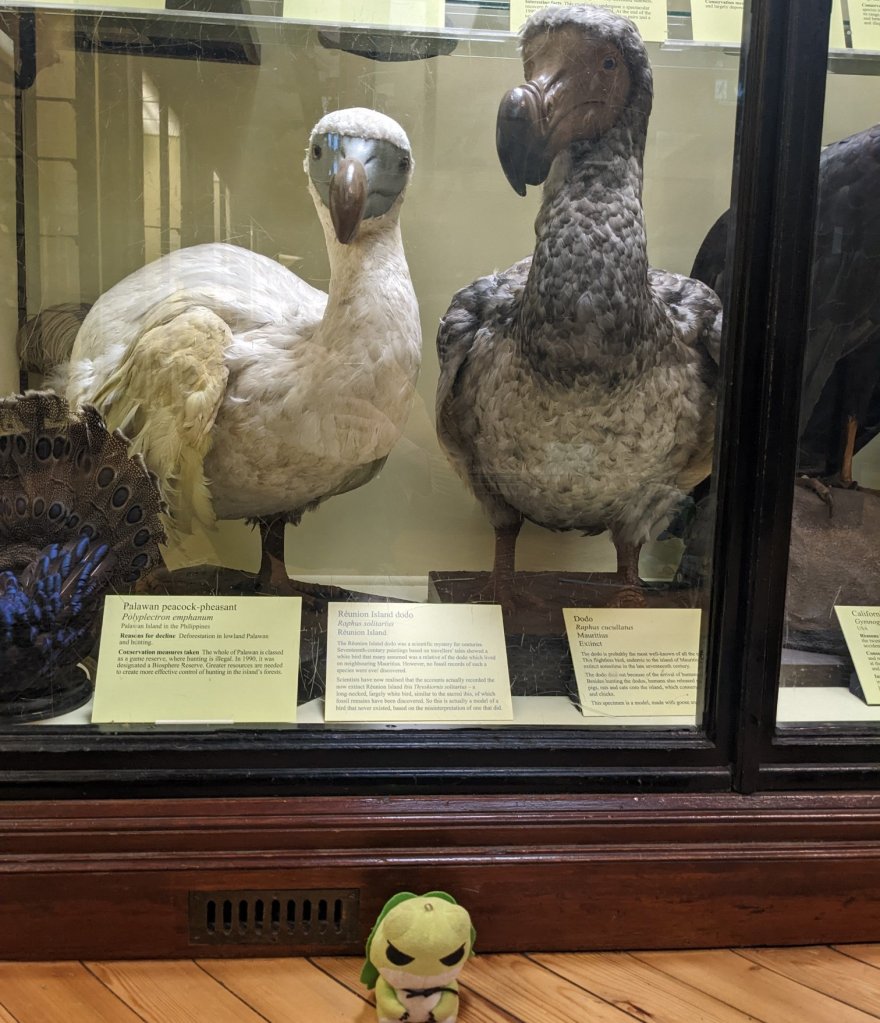
Side-note but I also love the dodos. Neither of them are ‘real’ – they’re made from duck and goose feathers. But it gets better! The white one on the left is based on a drawing from the 17th century that was assumed that there was a second, albino species of dodo on an island near Mauritius. This later turned out to be another bird entirely, meaning it’s a fake taxidermy of an animal that never actually existed. Hmm.
#4 – The Dog Case
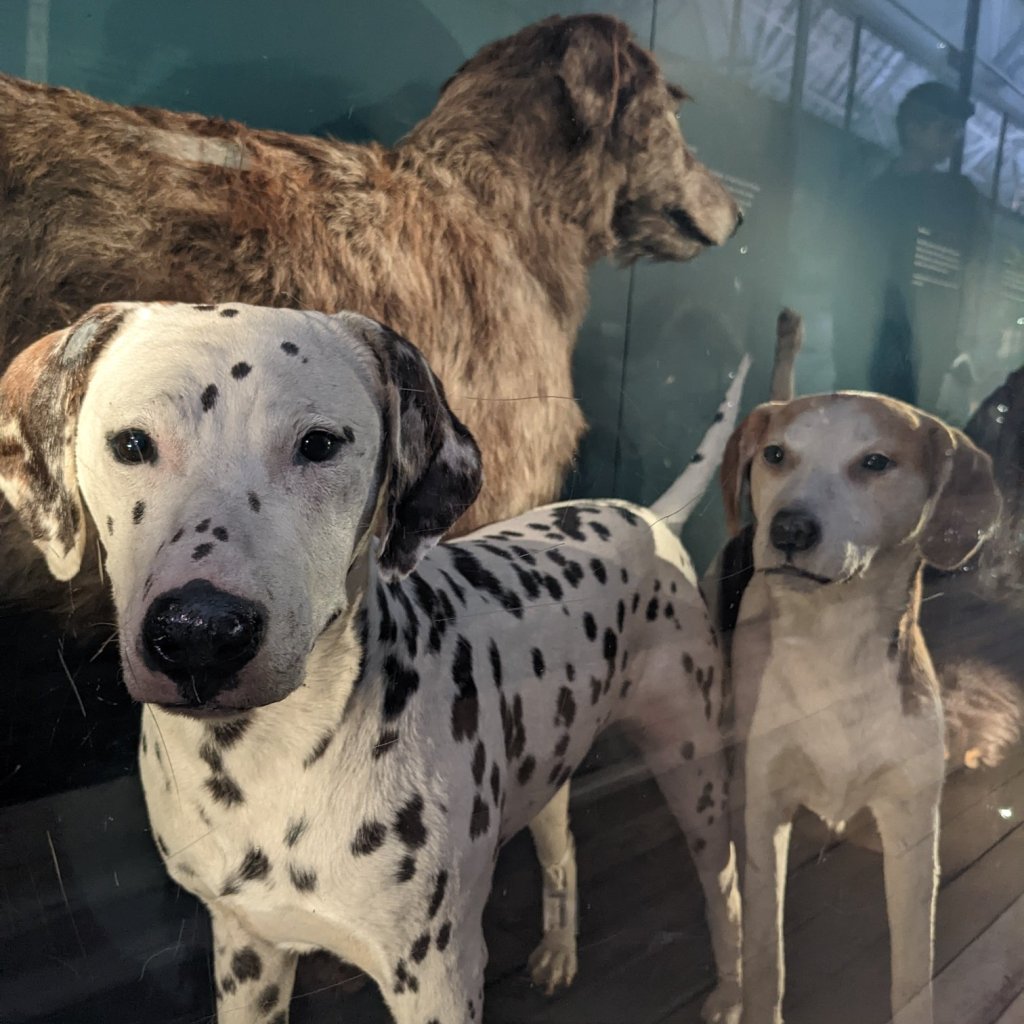
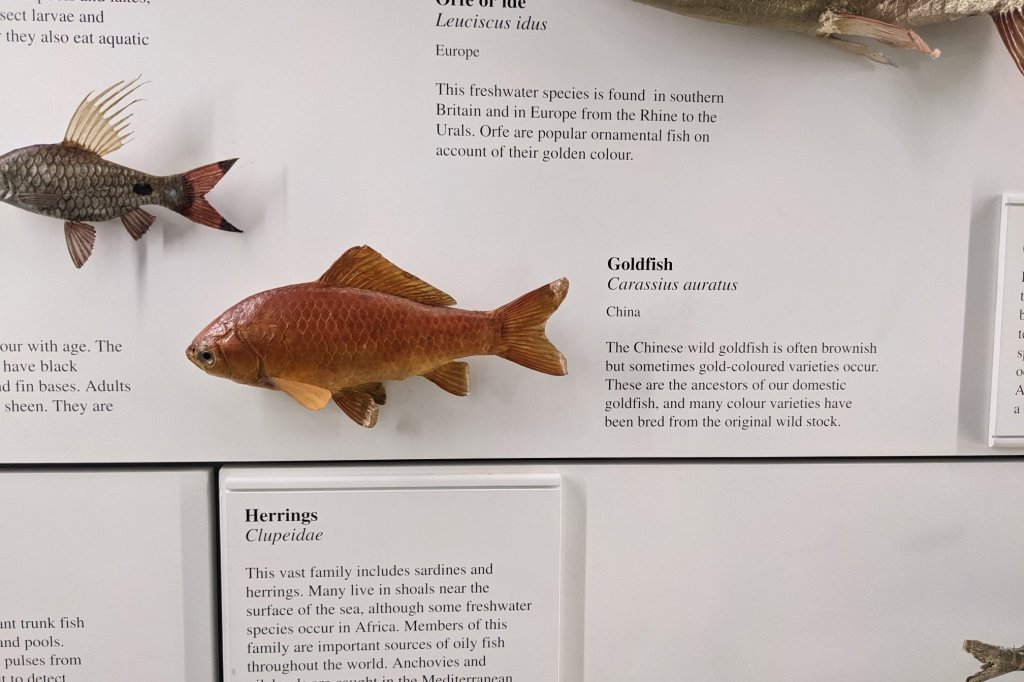
Okay. So. Recently, I did a really cool course in taxidermy (through the wonderful Birdhouse Taxidermy – follow her on Instagram she’s an icon), and during a lunch break I found myself reading an article in a taxidermy magazine about dogs. More specifically, why they’re not often preserved. The author did find some examples from the Victorian era, including some owners who actually had the heads mounted on their walls, but generally people are a lot more emotionally attached to their canine companions than, say, goldfish.
Buuuut dogs are still animals, which means they must be in the Natural History Museum somewhere. we see them every day after all! Not content with having every other species on the planet, Tring also has an entire case of taxidermied dogs – over thirty (THIRTY) breeds are represented here.
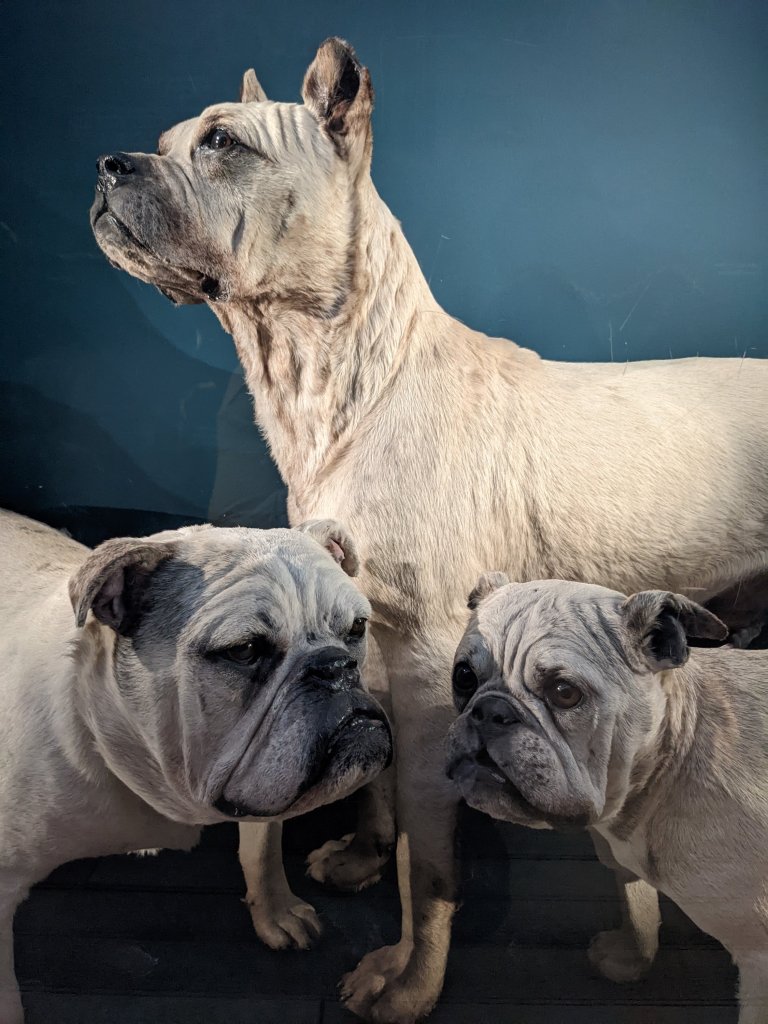
I’ve seen an unhealthy amount of taxidermy over the years, but even I was taken aback a little by this display. It’s no worse than any other taxidermy – the dogs were (mostly) donated after they had died. But there’s a strange emotional difference between seeing a taxidermied crocodile – an animal that could crack my skill open without much effort – and a dead labrador that looked unsettlingly like my childhood pet.
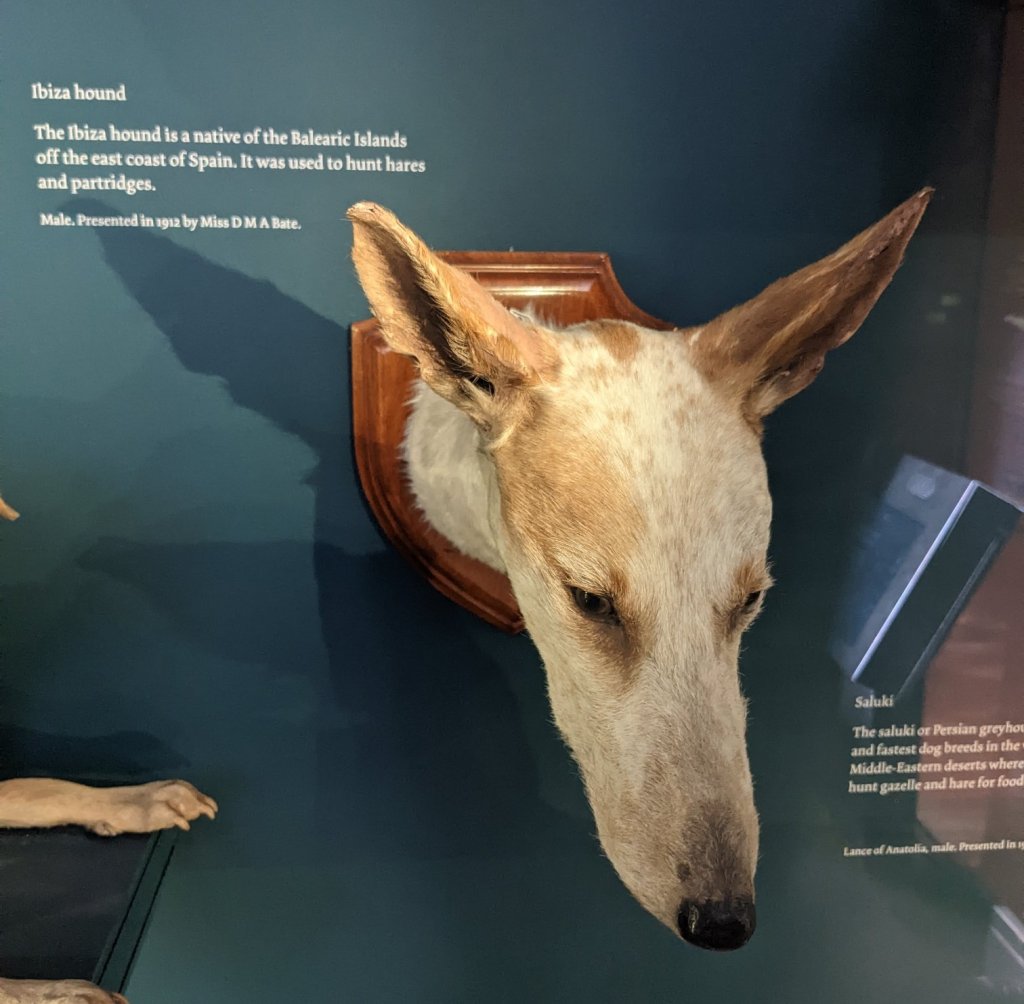
What’s especially unique about these dogs though is that Walter had nothing to do with them! The dogs were originally part of the main Natural History Museum in London, and were only moved to the Tring branch in 1968. The dogs were acquired from members of the public, who would send their dead pets to the museum for stuffing. Often without informing the museum staff ahead of time. One terrier owner sent so many (!!) that he had to be asked to stop.
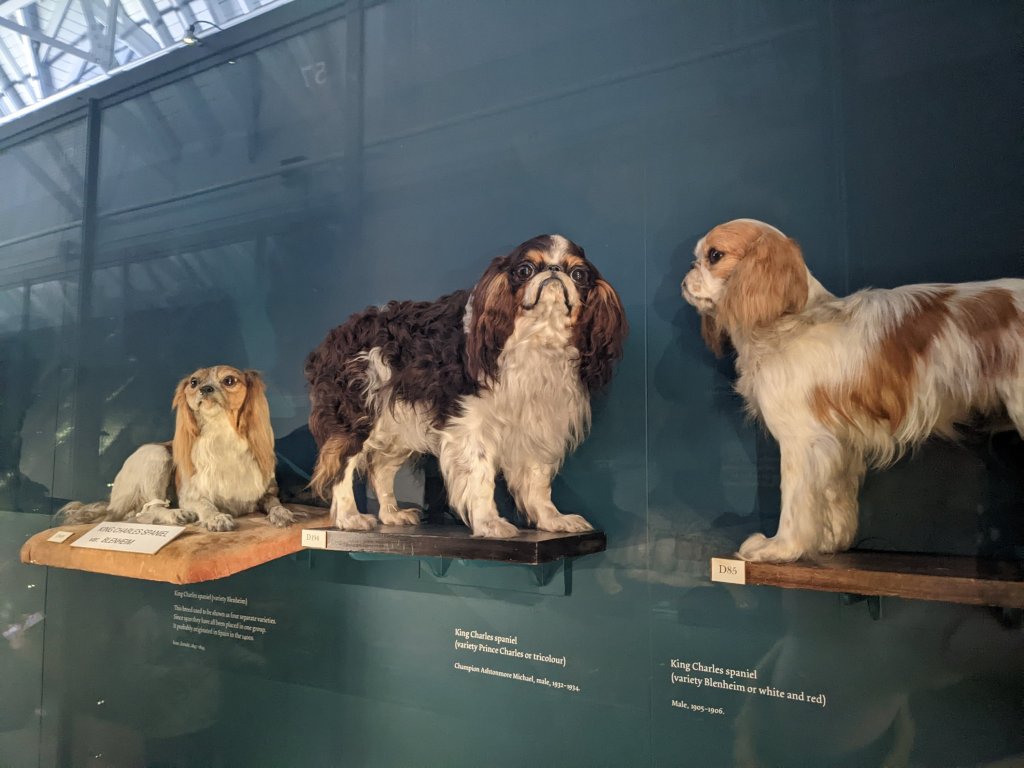
Apparently there’s another dog display like this somewhere in Yale, across the pond, but I’ve never seen another museum with so many canines on display – I think that’s why this really stuck with me. I found this really informative post by a Veterinary PhD student that goes into the history of the Tring dogs. Read it!!
#5 – The Hummingbird Carousel
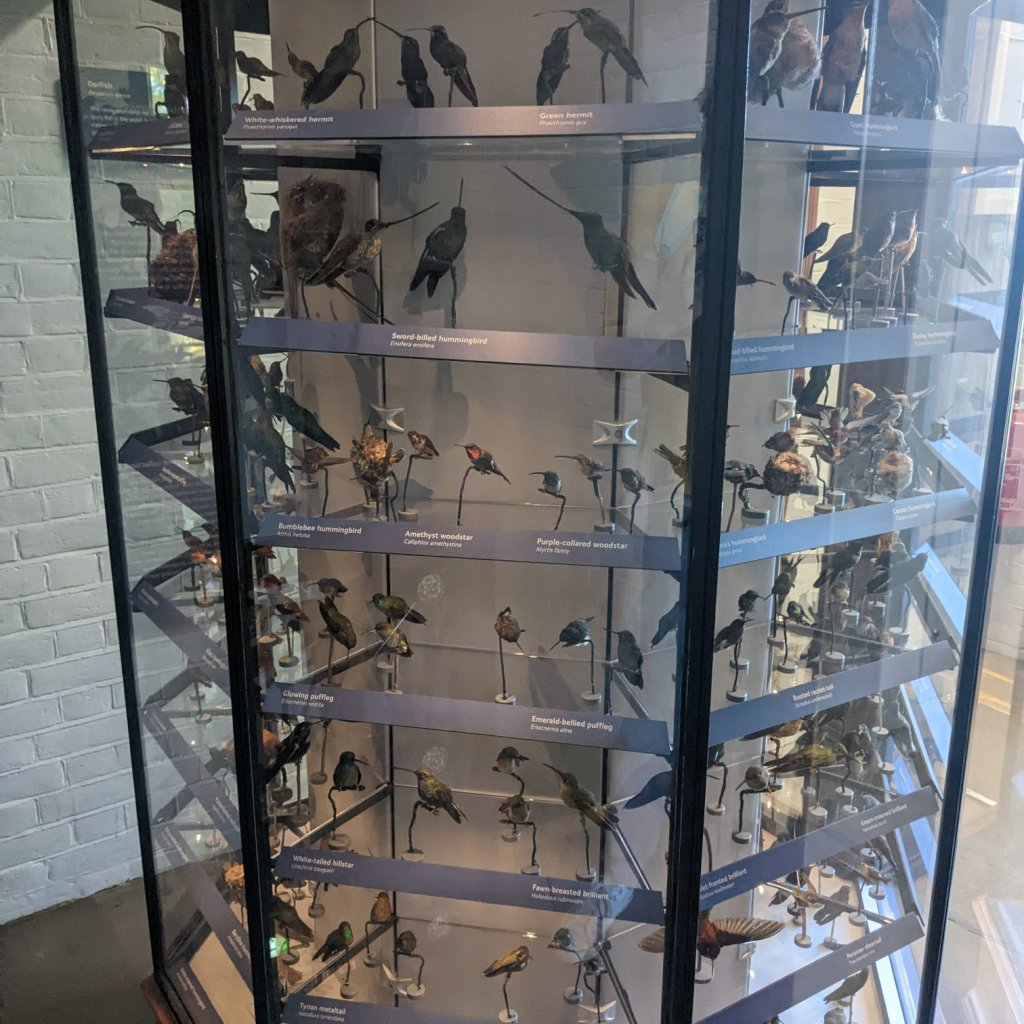
After the macabre dog collection, let’s round off with something a little less harrowing. As mentioned earlier, Walter liked collecting whole sets of things. Apparently there’s over 350 species of hummingbird, but fortunately they’re tiny so it’s easy to fit them into the museum.
For whatever reason, the museum decided not to have them all behind a single flat pane of glass, but instead in this unique little carousel, perched right above the stairs in a little bit of space that’s too small for anything else. It’s a cute little display in a museum where everything else is so… static. Unfortunately it doesn’t actually spin around but it’s nice having another angle to look at these tiny birds.
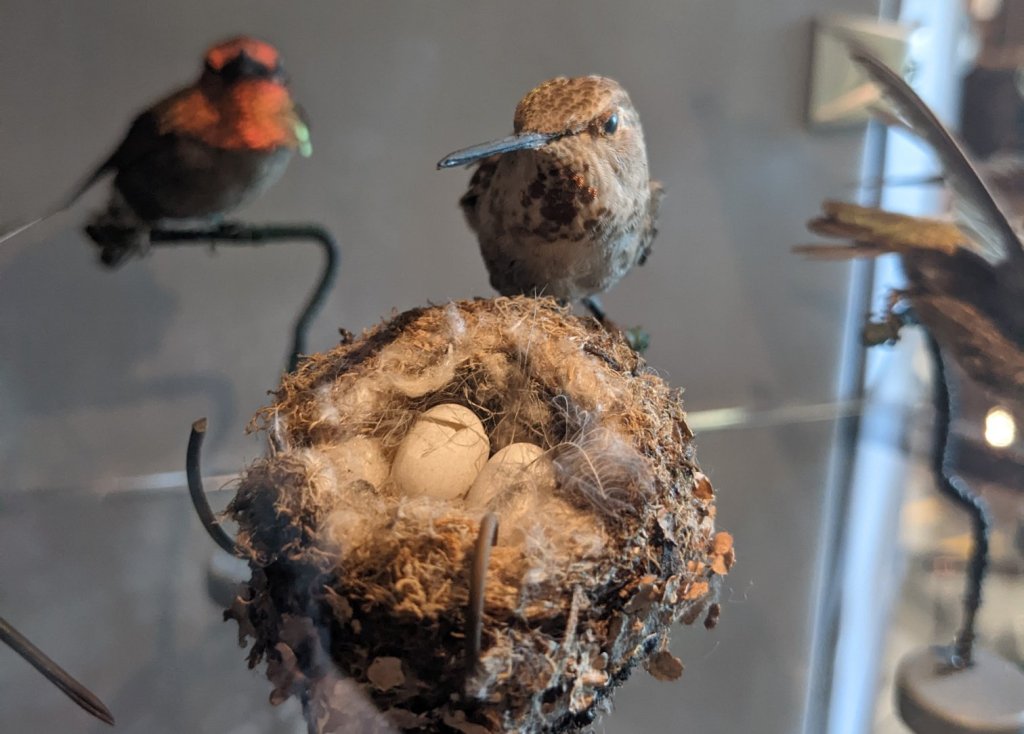
Some of the hummingbirds even have little nests filled with eggs. We don’t have these birds in Europe so I forget how tiny they are!
Final thoughts
The London Natural History Museum isn’t an institution with many branches. It’s not the Smithsonian. It works with a lot of other museums around the UK and the world, sure, but other than Tring it doesn’t have any other ‘satellite’ museums, at least that I know of.
I think that’s what’s so odd about this place. It doesn’t feel like it’s part of the same museum that spent £12 million erecting a blue whale skeleton into its main hall a few years ago. It doesn’t get millions of visitors a year – at times, I had entire galleries to myself. There’s a coffee shop on the bottom floor (adorably named ‘The Ugly Bug Café), but it feels more like a cute family-run place on your local high street that’s been around for years. The gift shop is a single room that sells NHM branded merchandise, but otherwise feels like it belongs in a little museum ran by the county council. None of this is bad, mind you. But compared to its London counterpart, the Tring branch feels so… modest. At times it feels like a small market town museum that stumbled across a massive taxidermy collection and wasn’t sure what to do with it.
Actually that’s more or less what happened, I suppose. It’s definitely a different feel to the London branch, with its massive budget and state-of-the-art exhibitions. There is no Darwin Centre at the Tring branch and there never will be. It’s a museum that’s the same as it was before I was born and will probably be the same after I die. I hope it stays this way forever.
Useful Tips
- Entry is free, just like the London branch. The website advises you to book a free ticket, but from my experience you can just walk in.
- As previously mentioned there is an entire display of taxidermied dogs, so if that really weirds you out then maybe avoid the second floor.
- There’s a giant ground sloth skeleton but no dinosaurs!! They still sell dino merchandise in the gift shop though. I think that’s illegal.
- You can get to the Tring branch from central London, but it took me the better part of two hours, including waiting around for a bus at Hemel Hempstead station. I got bored waiting for the 500 bus and wandered around the nearby moor. There’s some cows you can make friends with and a canal lock if you’re a big Rosie and Jim fan. But yeah you’d need to make a day out of it
- I said it earlier but fyi – there’s a gift shop but it’s a lot smaller than the one in the London branch. You can buy a coffee at the Ugly Bug Café and take it around the museum!!! Highly suggest you do this it’s lush
- There’s a coatroom but it’s… literally just coat pegs, no lockers or anything. I risked it anyway. I’d say the risk of having your cost stolen in Tring is pretty minimal.
 ☕🐸Coffee Frog Travel Blog🐸☕
Leave a comment